What This Document Is
This is a comprehensive study guide designed to help students prepare for the first exam in EXSC 205Lxg: The Science of Human Performance at the University of Southern California. It focuses on the foundational principles governing how the human body produces and utilizes energy, and how these principles relate to physical activity. The guide synthesizes key concepts from lectures and course materials, offering a structured review of core topics.
Why This Document Matters
This study guide is an invaluable resource for students aiming to solidify their understanding of human bioenergetics and performance physiology. It’s particularly useful for students who benefit from a consolidated review before assessments, or those looking to identify areas where further study is needed. Utilizing this guide can help you approach the exam with confidence, demonstrating a strong grasp of the fundamental processes that underpin human movement and metabolic function. It’s best used in conjunction with your class notes and assigned readings.
Common Limitations or Challenges
This study guide is intended as a *review* tool, not a replacement for active participation in the course. It does not include detailed explanations of every concept covered in lectures, nor does it provide new material beyond the scope of the course. It also doesn’t offer practice exam questions or detailed problem-solving strategies – its focus is on outlining the key areas of knowledge expected for the exam. Access to the full guide is required to unlock the detailed information within.
What This Document Provides
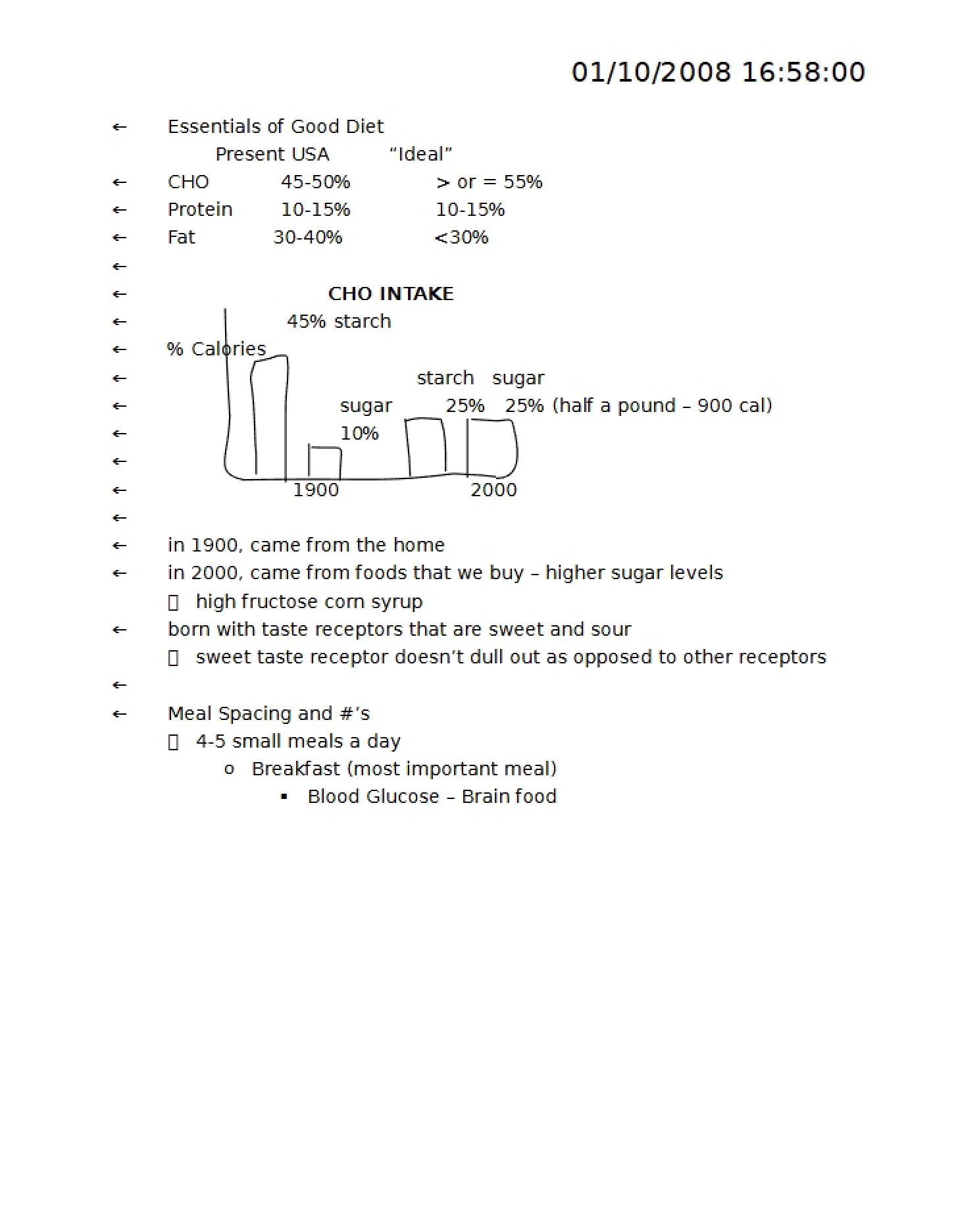
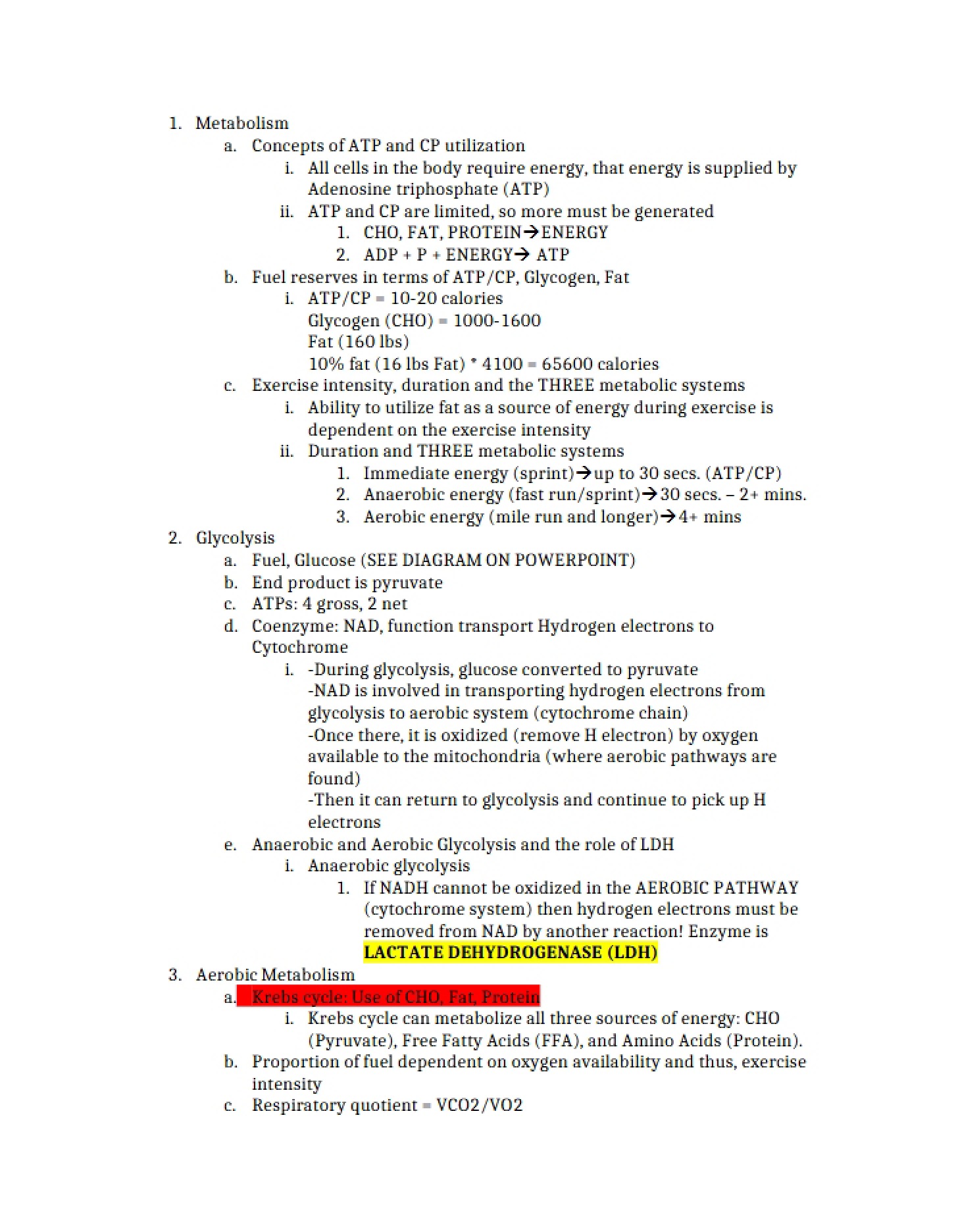
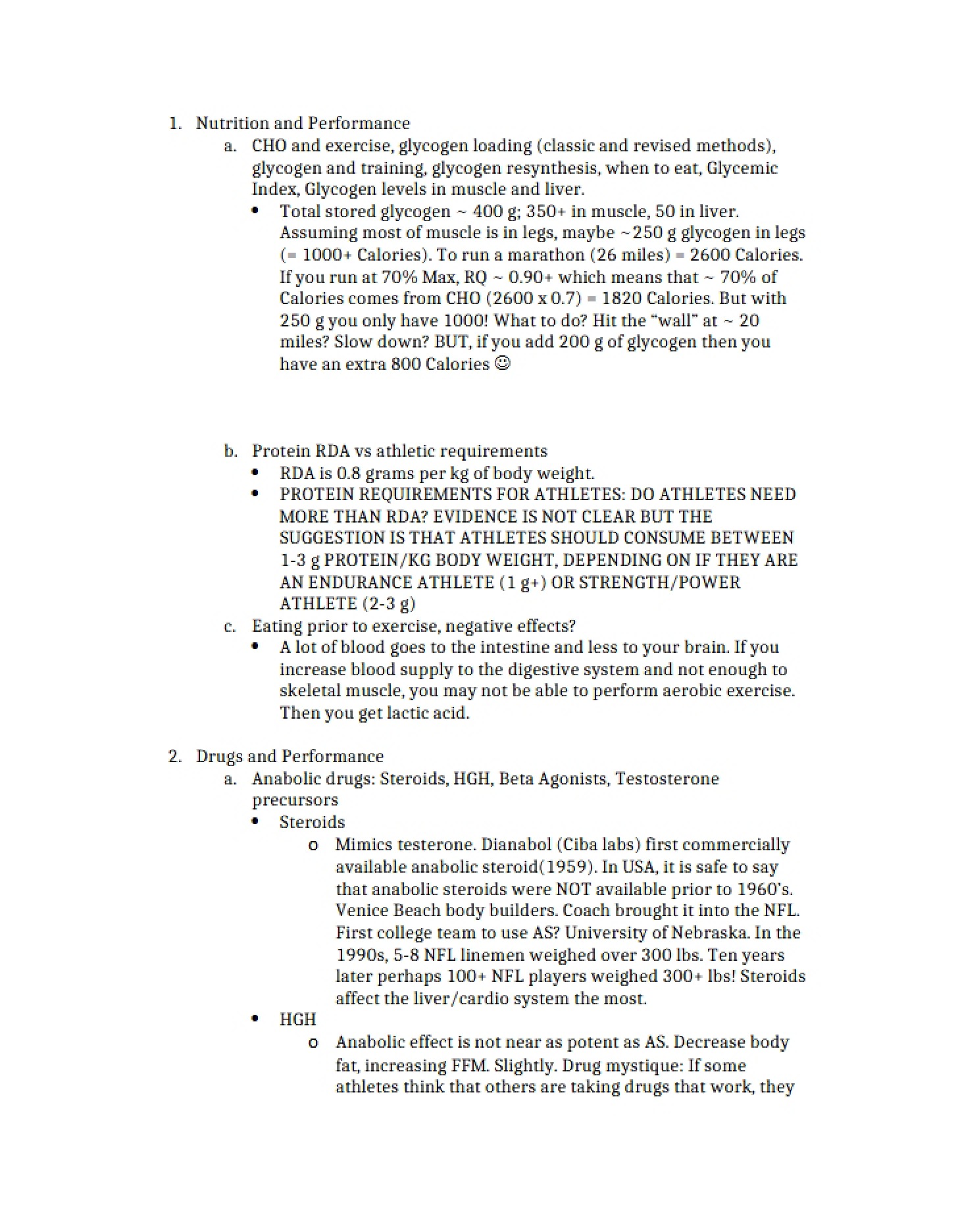
* An overview of the body’s primary fuel reserves and their relative contributions to energy production.
* A breakdown of the major metabolic pathways involved in ATP synthesis, including both anaerobic and aerobic systems.
* Key terminology and concepts related to energy metabolism, such as Respiratory Quotient (RQ) and uncoupling.
* A discussion of muscle fiber types and their characteristics in relation to different types of physical activity.
* Methods for assessing energy expenditure and body composition.
* Information regarding caloric values of macronutrients and the interpretation of Body Mass Index (BMI).
* An overview of common weight management strategies.