What This Document Is
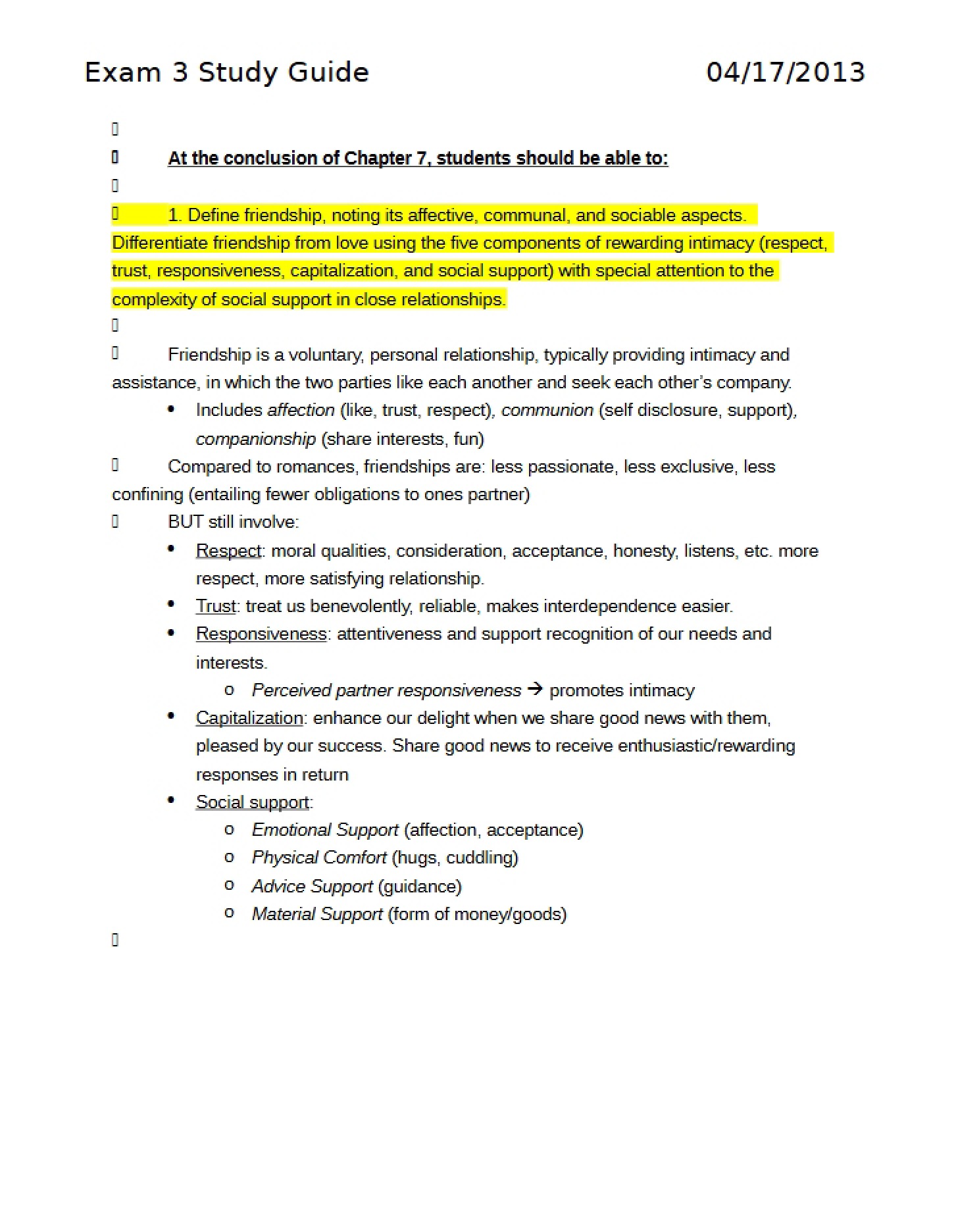
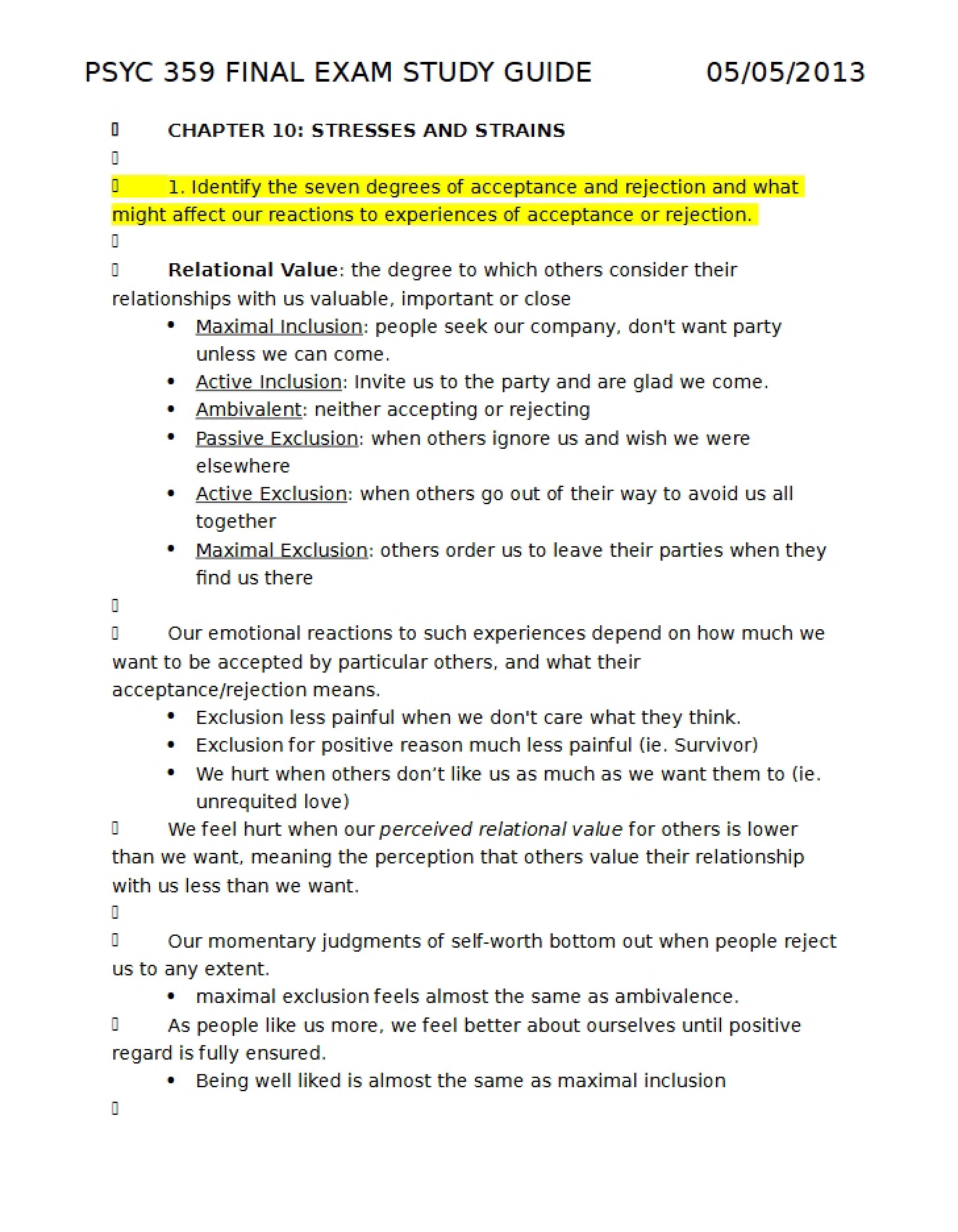
This is a comprehensive study guide designed to help students prepare for the first exam in PSYC 359: Interpersonal Relations at the University of Southern California. It focuses on foundational concepts crucial to understanding the dynamics of human relationships, exploring the factors that shape how we connect with others. The guide systematically covers core theories and research findings related to intimacy, attachment, and the broader social context of relationships.
Why This Document Matters
This study guide is an invaluable resource for any student enrolled in PSYC 359 looking to solidify their understanding of the course material and maximize their exam performance. It’s particularly helpful for students who benefit from a structured review of key ideas, and those who want to identify areas where they may need further clarification. Utilizing this guide *before* the exam can help reduce test anxiety and improve recall of important concepts. It’s best used in conjunction with class notes and assigned readings.
Common Limitations or Challenges
This study guide is intended as a *supplement* to the course materials, not a replacement. It does not contain the full lectures, readings, or in-class discussions. It will not provide direct answers to potential exam questions, nor does it offer a substitute for active participation in the course. The guide focuses on outlining key areas of focus, but requires students to have engaged with the original course content to fully benefit.
What This Document Provides
* A focused overview of the building blocks of relationships, including the influence of culture and individual differences.
* An exploration of the components that define intimate relationships and how they differ from casual connections.
* Discussion of the evolutionary and societal factors impacting relationship patterns.
* An introduction to attachment theory and its implications for relationship styles.
* Clarification of the distinction between sex and gender roles in interpersonal dynamics.
* Key concepts related to sources of change in relationship norms and behaviors.