What This Document Is
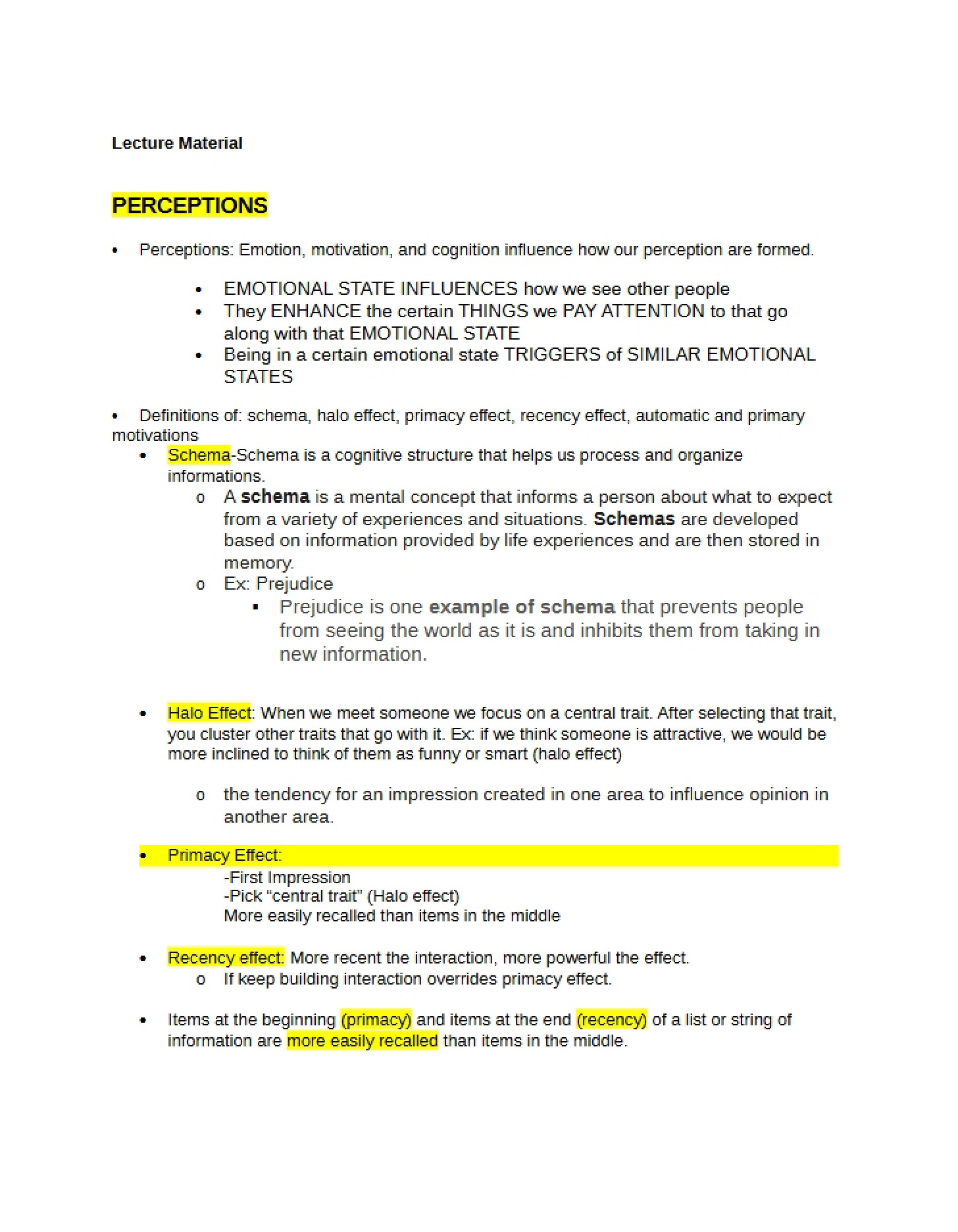
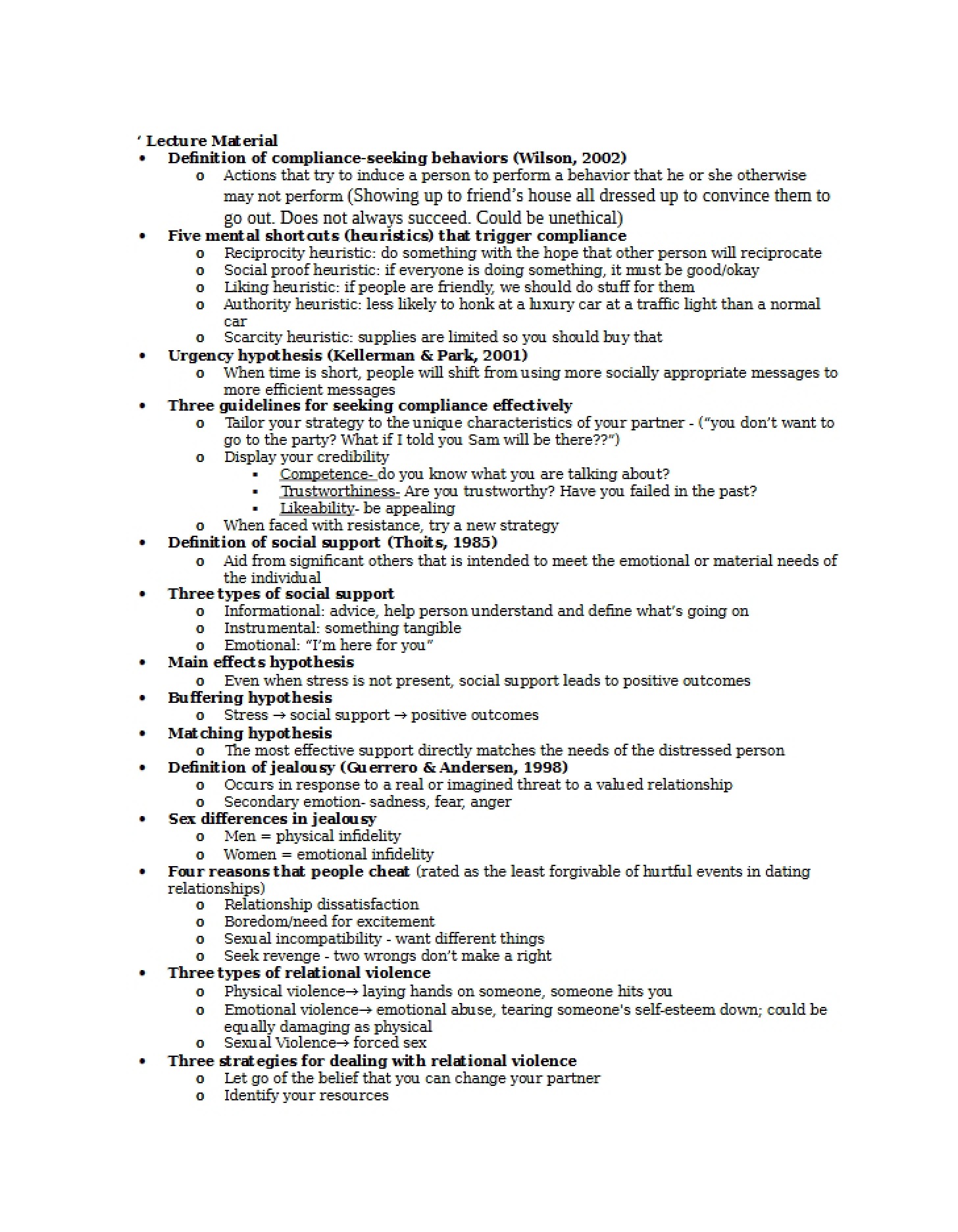
This is a comprehensive study guide designed to help students prepare for the first exam in CMN 230: Introduction to Interpersonal Communication at the University of Illinois at Urbana-Champaign. It consolidates key concepts and terminology presented in lectures, discussions, and assigned readings, offering a focused review of the foundational material covered in the first portion of the course. This guide is structured to help you efficiently identify and prioritize areas for study.
Why This Document Matters
This study guide is an invaluable resource for any student enrolled in CMN 230 looking to maximize their exam performance. It’s particularly useful as you approach the exam date, providing a centralized location to review core ideas and assess your understanding. Students who utilize this guide can expect to feel more confident and prepared to demonstrate their knowledge of interpersonal communication principles. It’s best used in conjunction with your class notes and textbook.
Topics Covered
* The foundational rationale for studying interpersonal communication.
* Defining interpersonal communication – exploring different conceptual approaches.
* Core vocabulary related to communication dynamics (synchronous, asynchronous, impersonal).
* Principles governing interpersonal communication processes.
* Common misconceptions surrounding effective communication.
* The concept of communication competence and its components.
* Interpersonal needs and relationship wants.
* A detailed overview of relationship development stages.
* Key terminology associated with relationship stages.
What This Document Provides
* A clear outline of the specific topics that will be assessed on the exam.
* Key vocabulary terms and their definitions, essential for understanding course concepts.
* A structured framework for reviewing lecture material from the beginning of the semester.
* An overview of the theoretical underpinnings of interpersonal communication.
* A guide to understanding the stages of relationship development and associated communication patterns.
* Information regarding the exam format (number of questions, question types).