What This Document Is
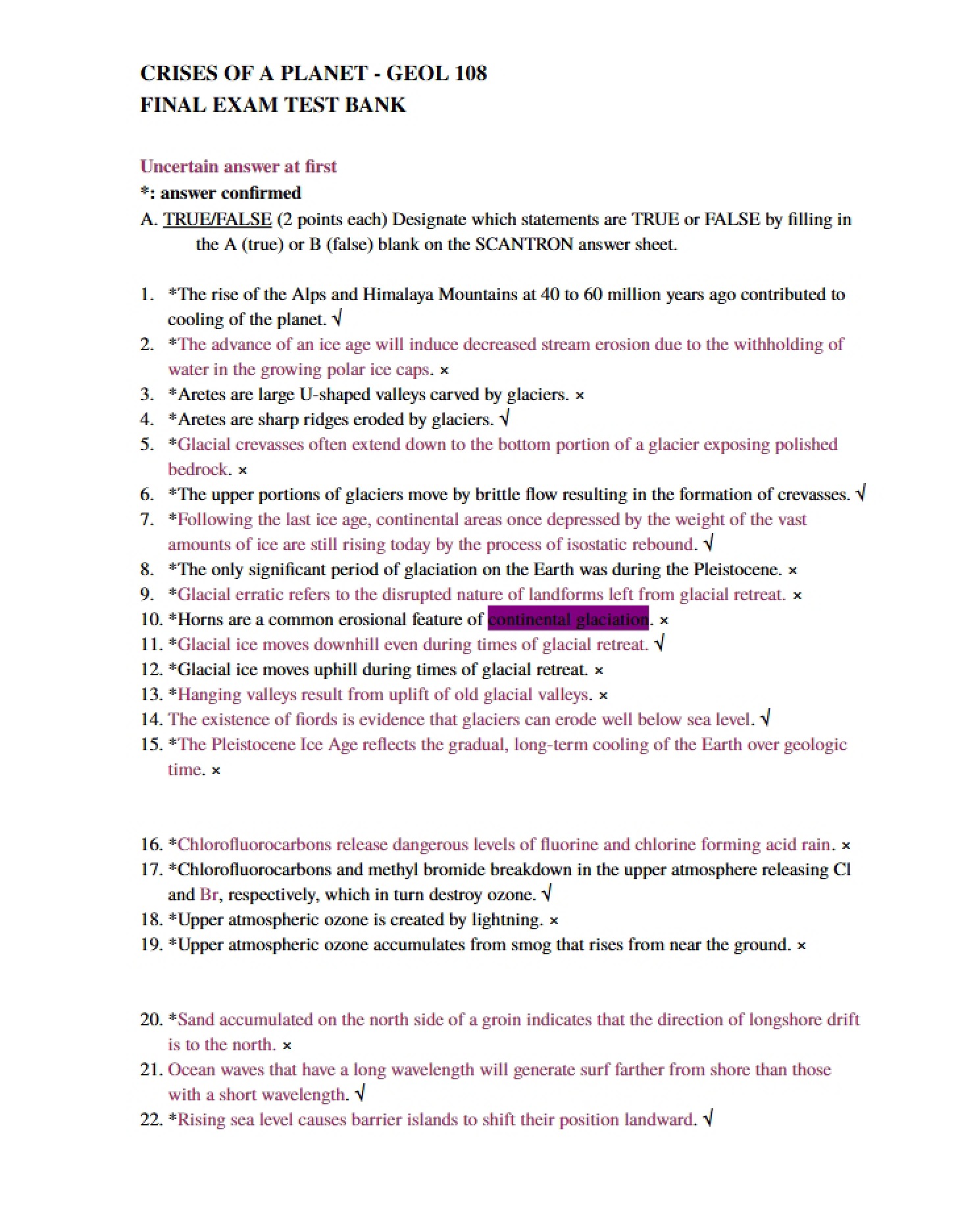
This is a comprehensive study guide designed to help students prepare for the second midterm exam in GEOL 108Lg: Crises of a Planet, offered at the University of Southern California. It focuses on key concepts related to surface processes, fluvial systems, atmospheric chemistry, and arid environments. The guide is structured as a series of statements – requiring evaluation of their accuracy – covering a broad range of topics within the course material. It’s intended to be a focused review tool, not a replacement for lectures or assigned readings.
Why This Document Matters
Students enrolled in GEOL 108Lg will find this study guide particularly valuable when reviewing for the midterm examination. It’s ideal for self-assessment, identifying areas where further study is needed, and reinforcing understanding of complex geological processes. Utilizing this guide can help you efficiently pinpoint knowledge gaps and concentrate your study efforts. It’s best used *after* completing the relevant readings and attending lectures, as it assumes a foundational understanding of the course material.
Common Limitations or Challenges
This study guide is designed to *test* your understanding, not to *teach* the material. It does not include detailed explanations of concepts, definitions of key terms, or elaborations on the processes discussed. It also doesn’t offer new information beyond what has been presented in the course. Successfully using this guide requires a solid grasp of the lecture content and assigned readings. It is not a substitute for active participation in the course.
What This Document Provides
* A series of statements relating to fluvial geomorphology (rivers and streams).
* Questions assessing understanding of flood frequency and risk.
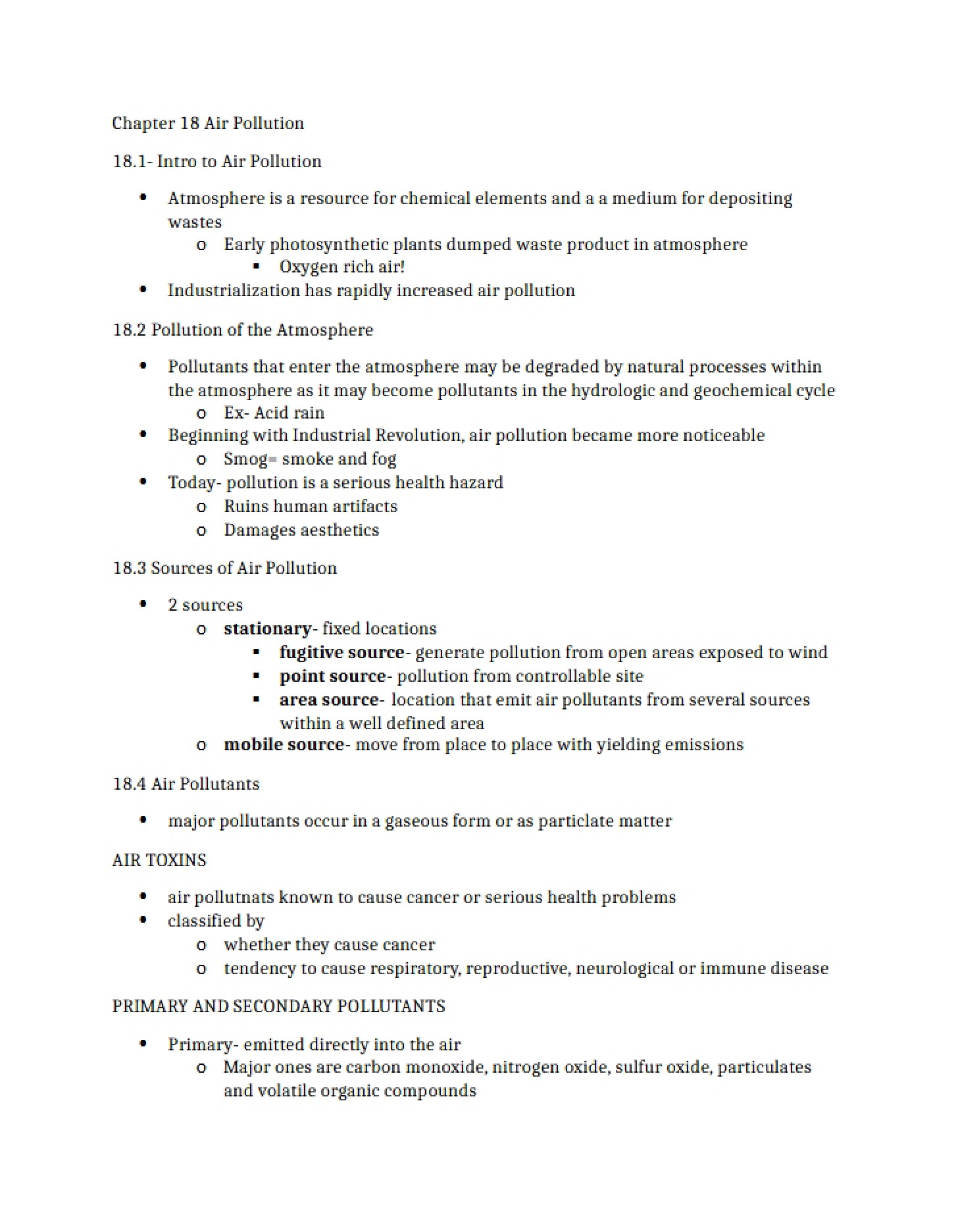
* Concepts related to atmospheric composition and the formation of smog.
* Evaluation points concerning the causes and characteristics of acid rain.
* Statements regarding atmospheric carbon dioxide and its fluctuations.
* Key features and processes associated with arid and desert environments.
* Coverage of wind-related erosional and depositional landforms.
* Assessment of global climate patterns and their influence on desert formation.
* A format designed for self-testing and knowledge reinforcement.