What This Document Is
This document provides an overview of the phylum Lophotrochozoa, a diverse group of animals within the broader animal kingdom. It explores key characteristics that define this group, including the presence of either a lophophore (ciliated feeding structure) or a trochophore larva, and delves into several major classes within Lophotrochozoa – Platyhelminthes (flatworms), Rotifera, and Annelida (segmented worms). It also introduces the Phylum Mollusca. The document focuses on anatomical features, organizational complexity, and ecological roles of these organisms.
Why This Document Matters
This resource is valuable for students in General Biology courses, particularly those studying animal diversity and evolution. Understanding Lophotrochozoa is crucial for grasping the breadth of animal life and the evolutionary relationships between different groups. It’s typically used when introducing invertebrate zoology and the concepts of body plan organization, symmetry, and organ system development. This overview helps establish a foundation for more detailed study of individual animal phyla.
Common Limitations or Challenges
This document is a preview and does not provide exhaustive detail on every species within Lophotrochozoa. It doesn’t cover specific evolutionary histories in depth, nor does it include detailed experimental data or advanced molecular analyses. It serves as an introductory guide, and further research will be needed for a comprehensive understanding. It does not include information on animal behavior or ecological interactions beyond a general overview.
What This Document Provides
This document includes:
* An introduction to the defining characteristics of Lophotrochozoa.
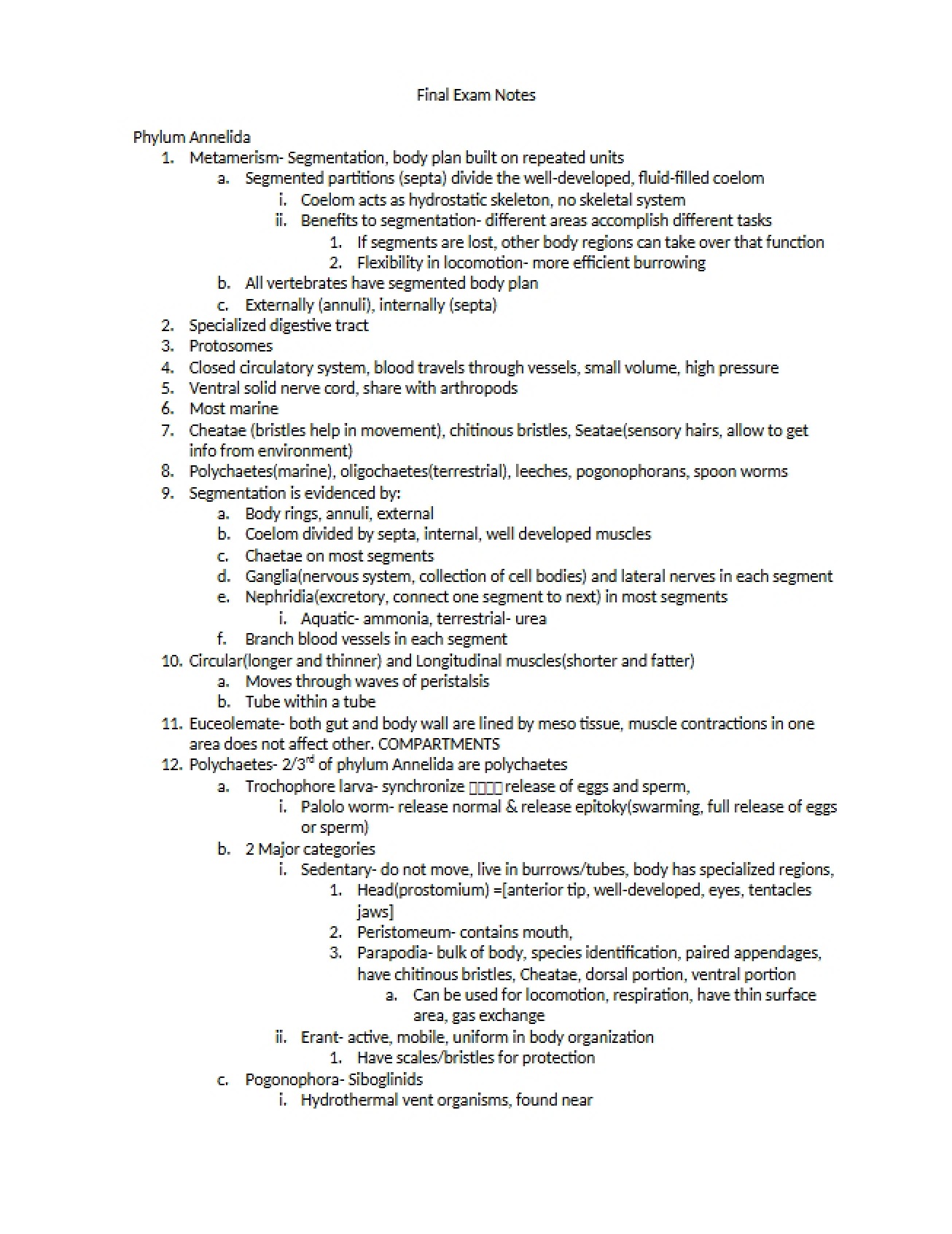
* Descriptions of the key features of Platyhelminthes (including Turbellarians, Trematodes, and Cestodes), Rotifera, and Annelida (including Polychaetes, Oligochaetes, and Hirudinea).
* An overview of the body plan of Phylum Mollusca.
* Information on specific examples within each group, such as planarians, flukes, tapeworms, and leeches.
* Discussion of important biological concepts like cephalization, metamerism, and hermaphroditism.
This preview *does not* include detailed life cycle diagrams, in-depth analyses of genetic relationships, or comprehensive coverage of all species within each phylum. It also does not include practice questions or assessment materials.