What This Document Is
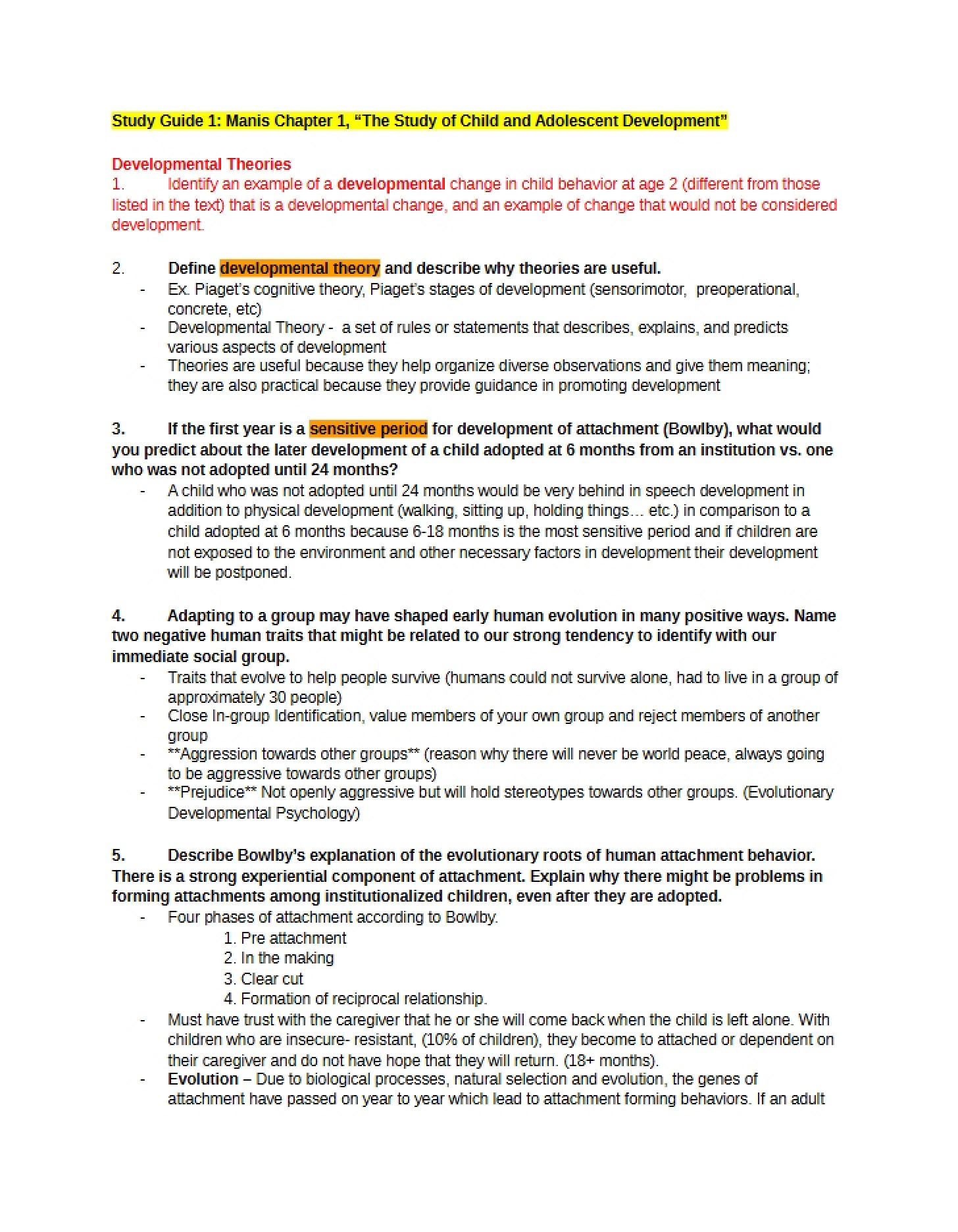
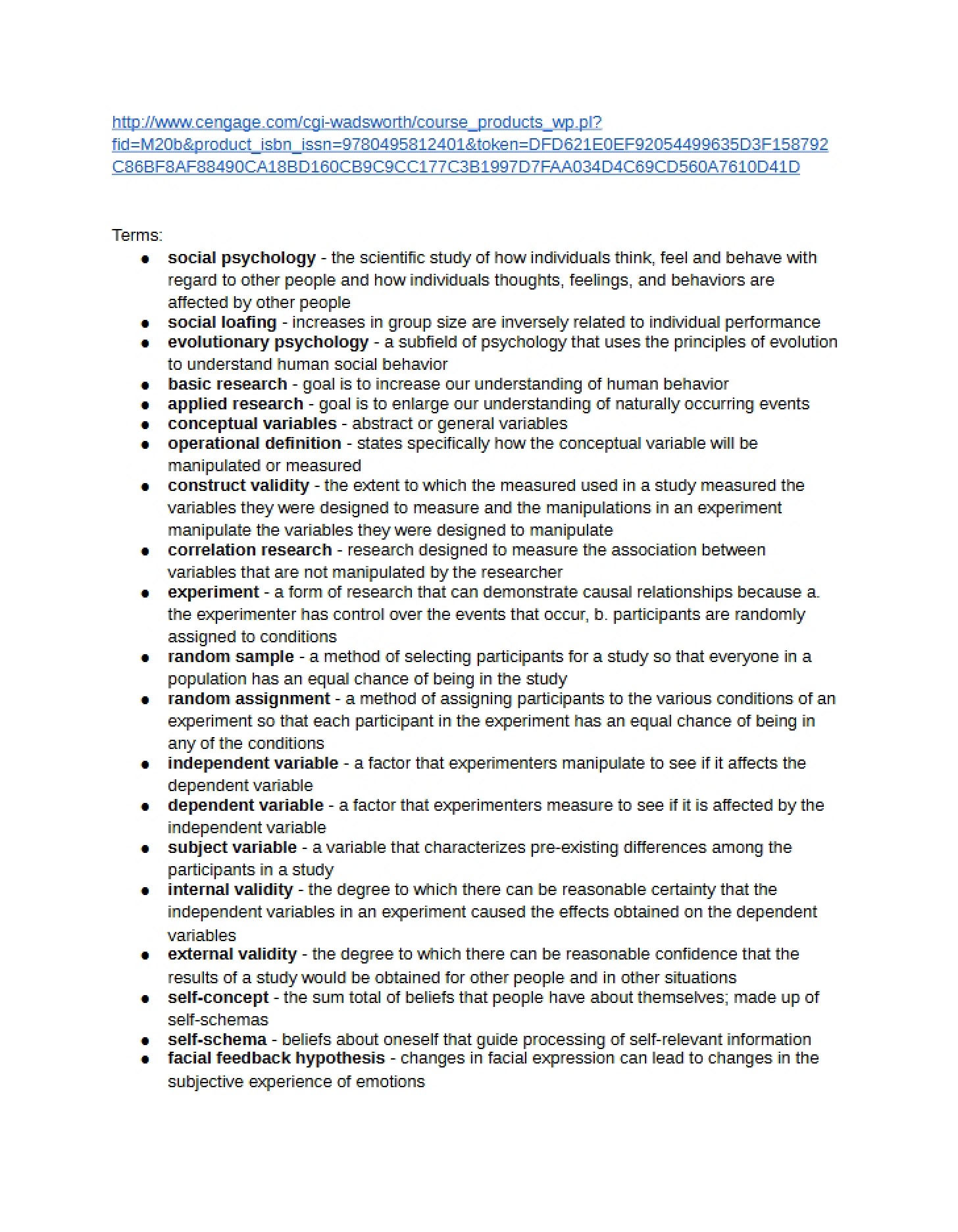
This resource is a focused set of study questions designed to reinforce your understanding of core concepts within Developmental Psychology (PSYC 336) at the University of Southern California. Specifically, these questions cover material typically found in Chapters Six through Eight of your course textbook. It’s crafted to help you actively engage with the material and identify areas where further review might be beneficial. The questions are designed to prompt critical thinking about the complexities of human development.
Why This Document Matters
This study guide is an invaluable tool for students preparing for quizzes, exams, or simply seeking a deeper grasp of the subject matter. It’s particularly useful for those who learn best by testing their knowledge and applying concepts. If you find yourself struggling to connect theoretical frameworks to real-world applications, or if you want a structured way to review before assessments, this resource can significantly enhance your study process. It’s best used *after* you’ve completed the assigned readings and lectures, as a way to solidify your understanding.
Common Limitations or Challenges
This document does *not* contain direct answers or explanations. It is designed to be a self-assessment tool, prompting you to recall and apply information you’ve already learned. It will not substitute for attending lectures, completing assigned readings, or engaging with other course materials. Furthermore, it doesn’t cover topics outside the scope of Chapters Six to Eight. It’s a focused resource, and a comprehensive understanding of the entire course requires broader study.
What This Document Provides
* Targeted questions relating to the formation and measurement of attitudes.
* Exploration of the factors influencing persuasion through different cognitive routes.
* Inquiries into the role of source credibility and message characteristics in attitude change.
* Questions designed to assess understanding of behavioral prediction models.
* Prompts to consider individual differences in information processing and persuasion susceptibility.
* Focus on the interplay between emotions, fear appeals, and attitude shifts.