What This Document Is
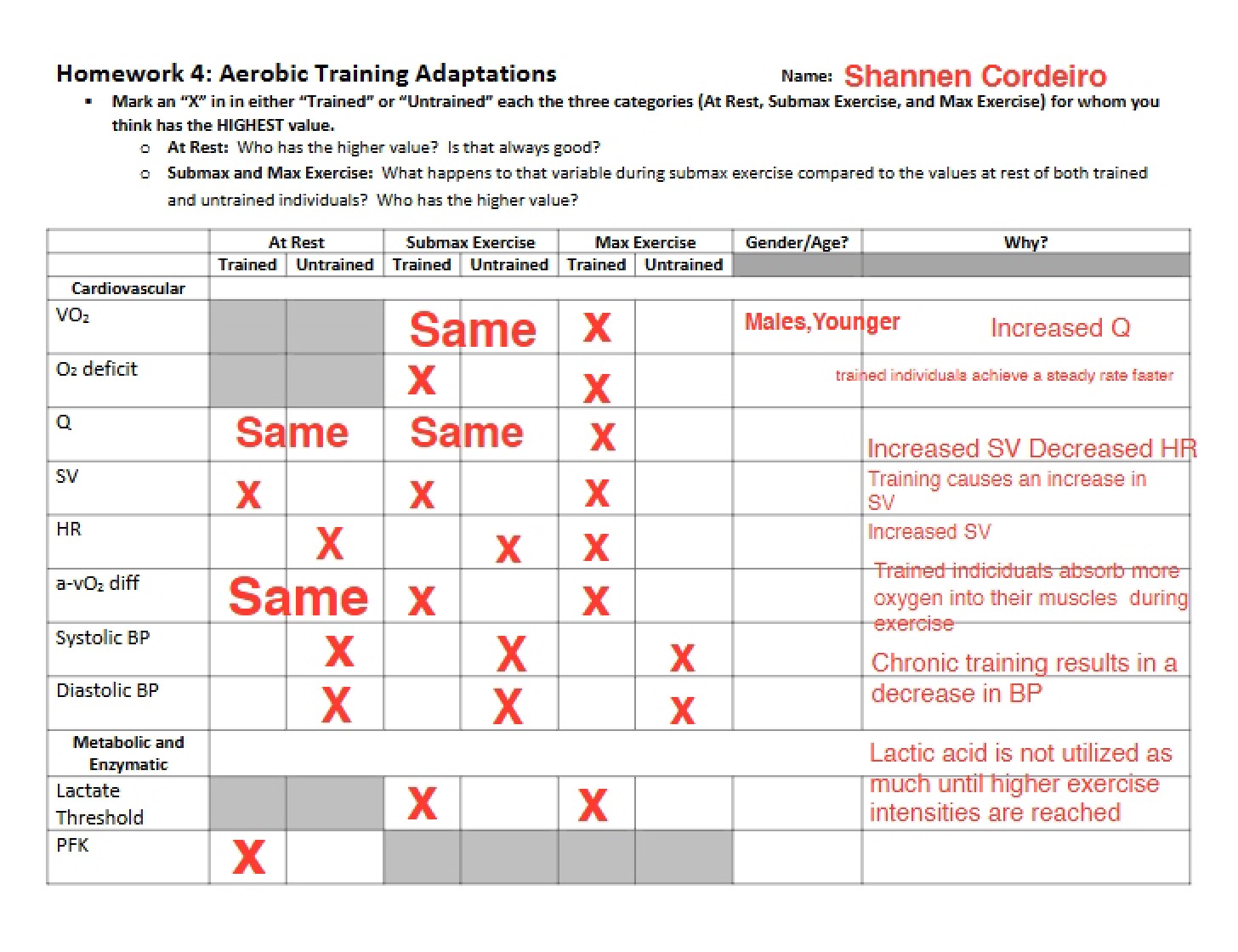
This study guide focuses on the pulmonary system within the broader context of Exercise Physiology. It’s designed for students in KIN 300 at the University of Rhode Island, or anyone seeking a deeper understanding of how the body functions during physical activity, specifically relating to respiration and circulation. The material explores the interconnectedness of cardiovascular and pulmonary functions and their responses to exercise. It delves into the physiological mechanisms that underpin performance and adaptation.
Why This Document Matters
This resource is ideal for students preparing for exams, completing assignments, or simply wanting to solidify their grasp of complex exercise physiology concepts. It’s particularly helpful for those who learn best by reviewing key questions and exploring the underlying principles. If you’re struggling to connect theoretical knowledge with practical applications in exercise, or need a focused review of the cardiovascular and pulmonary systems, this guide will be a valuable asset. It’s best used *in conjunction* with course lectures and textbooks to maximize comprehension.
Common Limitations or Challenges
This study guide is not a substitute for attending lectures or completing assigned readings. It doesn’t provide a comprehensive overview of *all* exercise physiology topics, focusing specifically on the pulmonary system and its relationship to cardiovascular function. It also doesn’t offer worked examples or detailed experimental data – it’s designed to prompt your own understanding and application of the concepts. Access to the full resource is required to reveal the detailed explanations and specific information contained within.
What This Document Provides
* Key questions relating to the purpose and design of the cardiovascular system.
* An outline of the cardiac cycle and its connection to electrical activity.
* Exploration of factors influencing heart rate, stroke volume, and cardiac output during exercise.
* Discussion of mechanisms regulating venous return and local blood flow.
* Analysis of cardiovascular and pulmonary responses to different types and durations of exercise.
* Consideration of the differences in physiological responses between arm and leg exercise.