What This Document Is
This study guide delves into the Subjective Units of Distress Scale (SUDS), a valuable tool utilized within the field of psychopathology. It explores the theoretical underpinnings and practical applications of this scale, offering a focused examination of its role in understanding and assessing psychological distress. The material originates from a Psychopathology (PSYC 380) course at the University of Delaware, providing a focused academic perspective.
Why This Document Matters
This resource is particularly beneficial for students studying psychopathology, clinical psychology, or related fields. It’s ideal for those seeking a deeper understanding of how clinicians measure and conceptualize subjective experiences of distress, particularly concerning anxiety-related disorders. It can be used while studying for exams, preparing for class discussions, or simply expanding your knowledge of psychological assessment techniques. Understanding the SUDS is crucial for anyone aiming to work directly with patients experiencing emotional or psychological challenges.
Topics Covered
* The fundamental principles behind the SUDS scale.
* Distinguishing between fear and anxiety – exploring their unique characteristics.
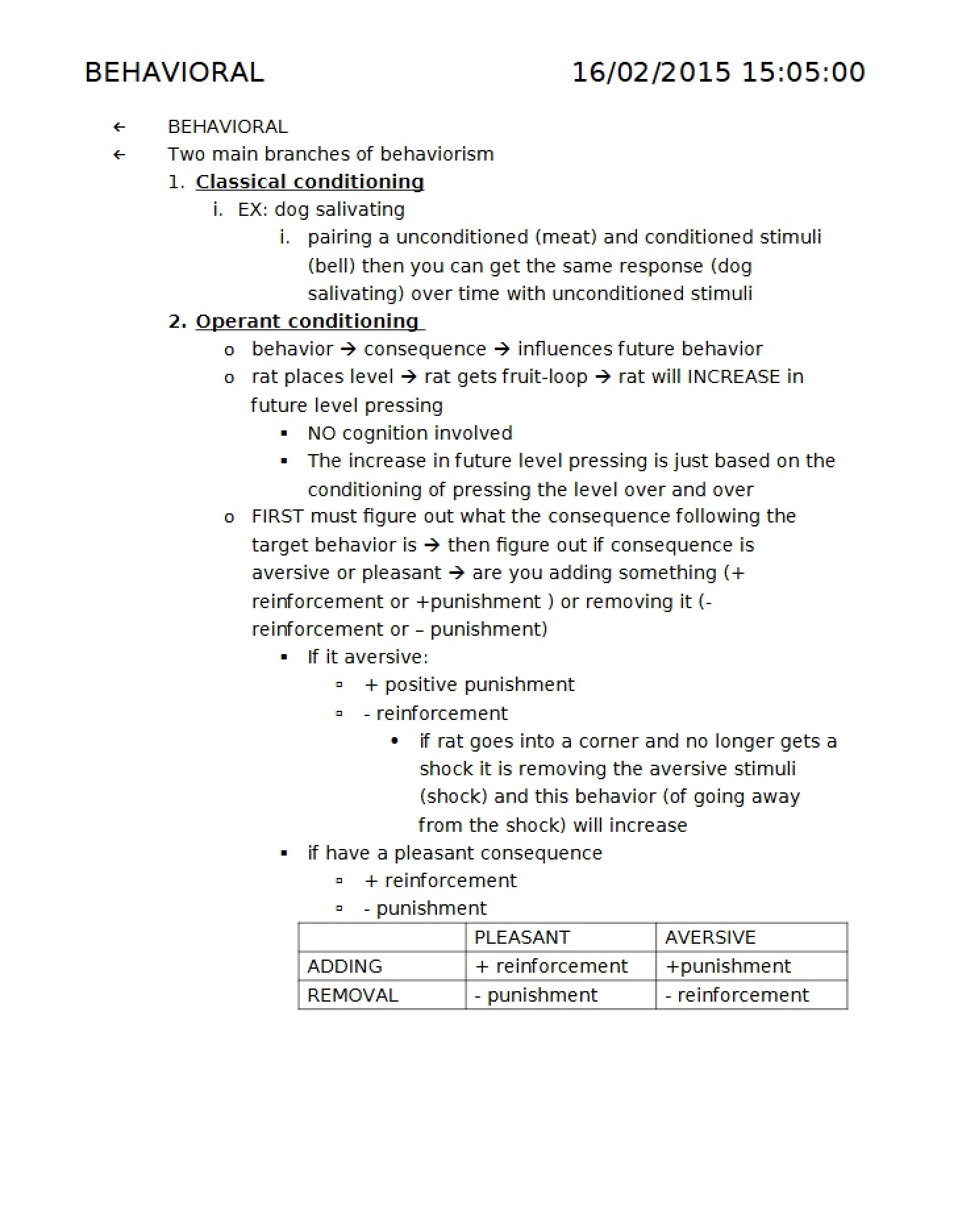
* The role of classical conditioning in the development and maintenance of distress.
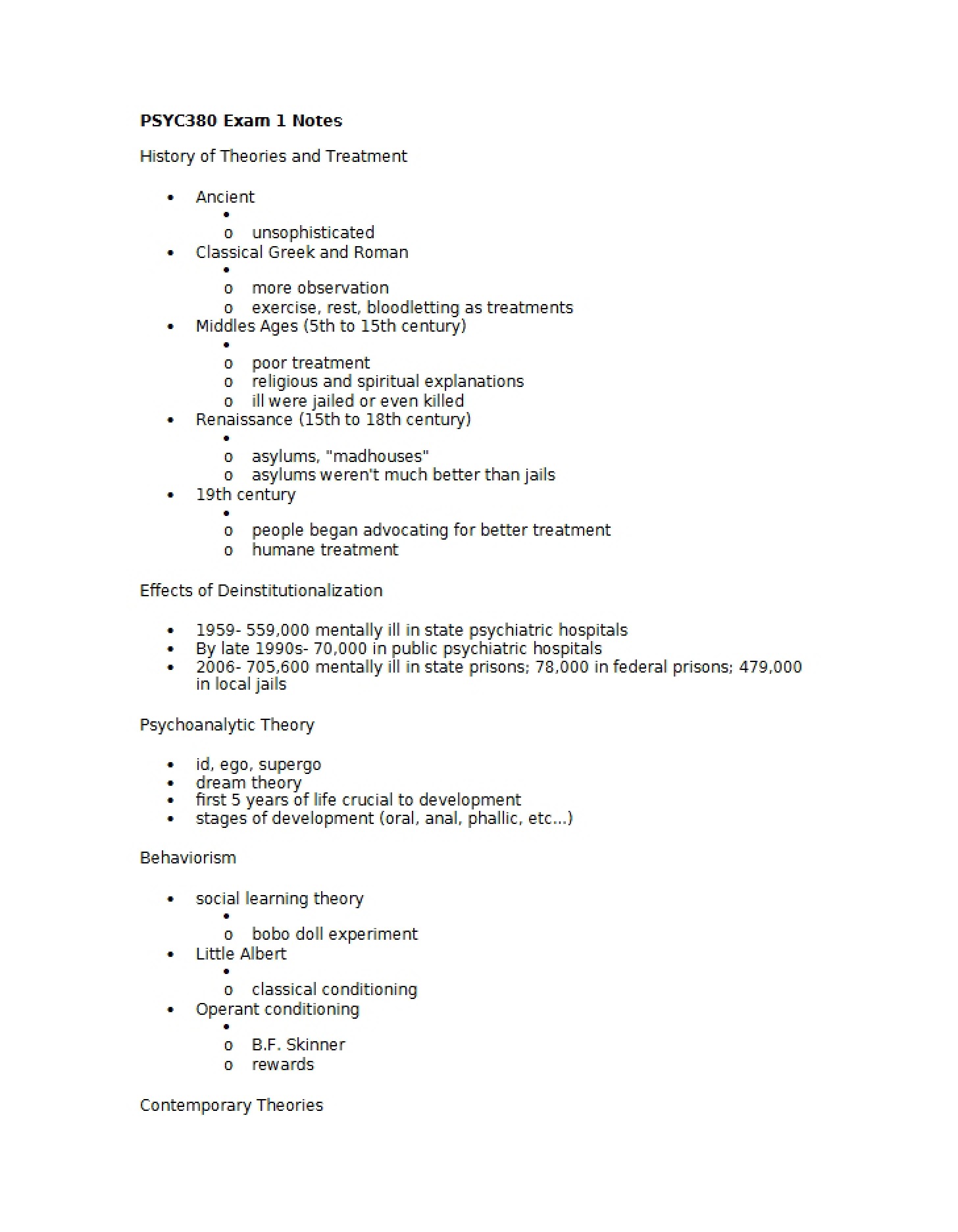
* Behavioral concepts like avoidance and its impact on psychological well-being.
* The application of operant conditioning principles to understand specific behaviors.
* The distinction between general rewards and behavioral consequences.
* The concept of negative reinforcement and its connection to anxiety.
What This Document Provides
* A historical overview of the SUDS scale’s development.
* A framework for understanding the scale’s numerical representation of distress levels.
* Exploration of how the SUDS is used in a therapeutic context.
* Insights into how behavioral principles influence the experience of distress.
* A case study illustrating the application of these concepts to a complex clinical presentation.
* Discussion of reinforcement and punishment as behavioral consequences.