What This Document Is
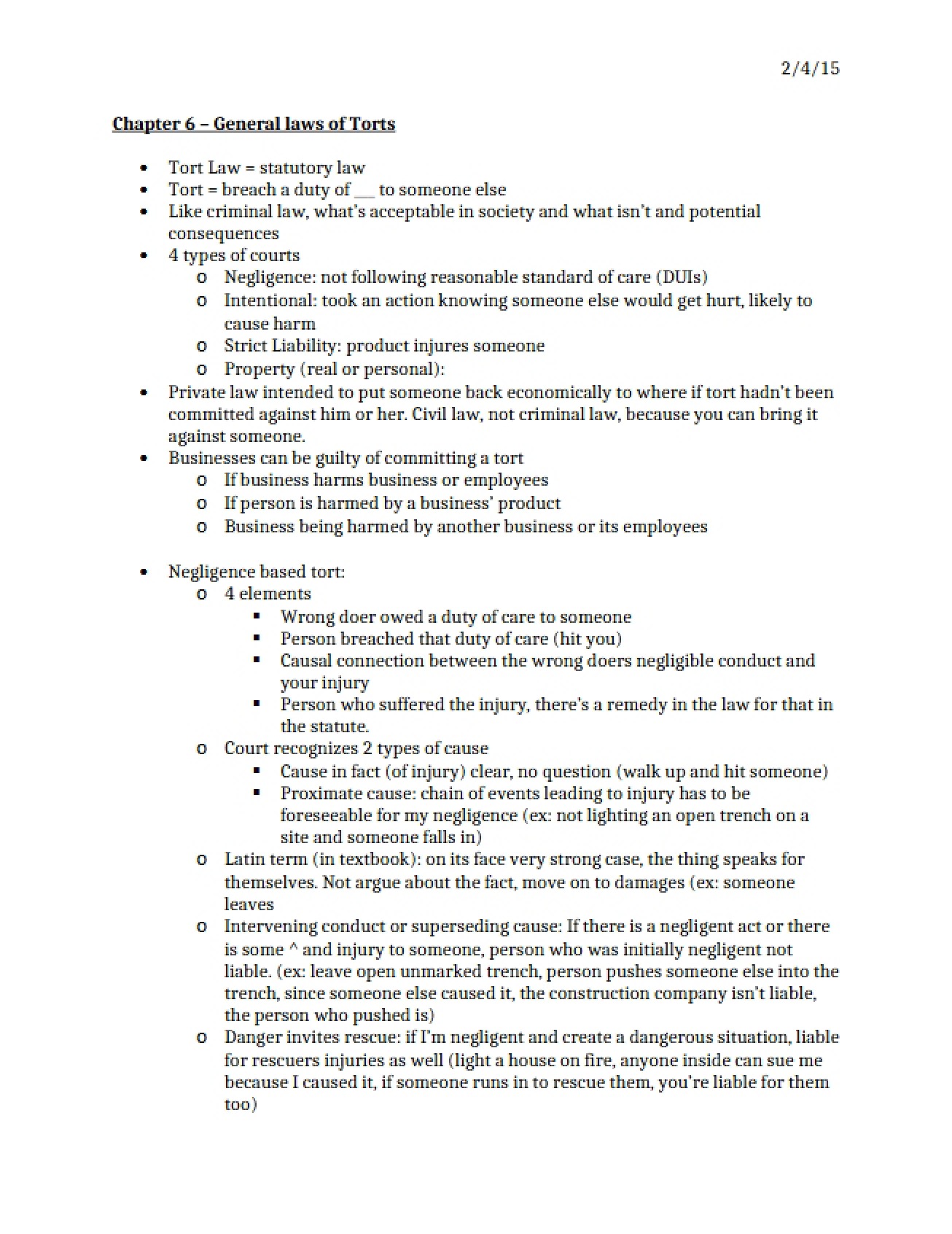
This document summarizes key concepts from Chapter 6 of a Business Law course (LAW 3220) at Clemson University, focusing on the elements of torts as they relate to spectators and participants in sporting events and other activities. It explores the motivations behind fan attendance, factors influencing the “sportscape” experience, and the importance of fan identification with teams and organizations.
Why This Document Matters
This summary is valuable for students in the Legal Environment of Business who need a concise overview of how tort law applies to consumer experiences – specifically, the legal considerations surrounding those attending or consuming events as spectators. It’s useful for review before exams, for understanding the broader context of consumer protection, and for grasping the business implications of fan engagement strategies. Understanding these concepts is crucial for anyone involved in event management, sports marketing, or risk management.
Common Limitations or Challenges
This document provides a condensed overview and does *not* offer in-depth legal analysis or case studies. It won’t substitute for reading the full chapter or engaging with course materials. It also doesn’t cover all types of torts, focusing specifically on those relevant to the spectator/participant dynamic. It is not a substitute for legal counsel.
What This Document Provides
The full document includes:
* An examination of the differences between spectators as consumers versus participants.
* A breakdown of factors influencing attendance, including fan motivation (BIRGing, CORFing, diversion, etc.) and game attractiveness.
* A detailed look at the “sportscape” model, covering stadium factors like access, aesthetics, and seating comfort.
* An exploration of sports involvement and fan identification, including the levels of identification (social, focused, vested) and what affects these levels.
* Discussion of the value fans place on various aspects of the event experience (pricing, winning records, community involvement).
This preview *does not* include specific case law examples, detailed definitions of legal terms, or practice questions. It is designed to give you a high-level understanding of the chapter’s scope and key themes.