What This Document Is
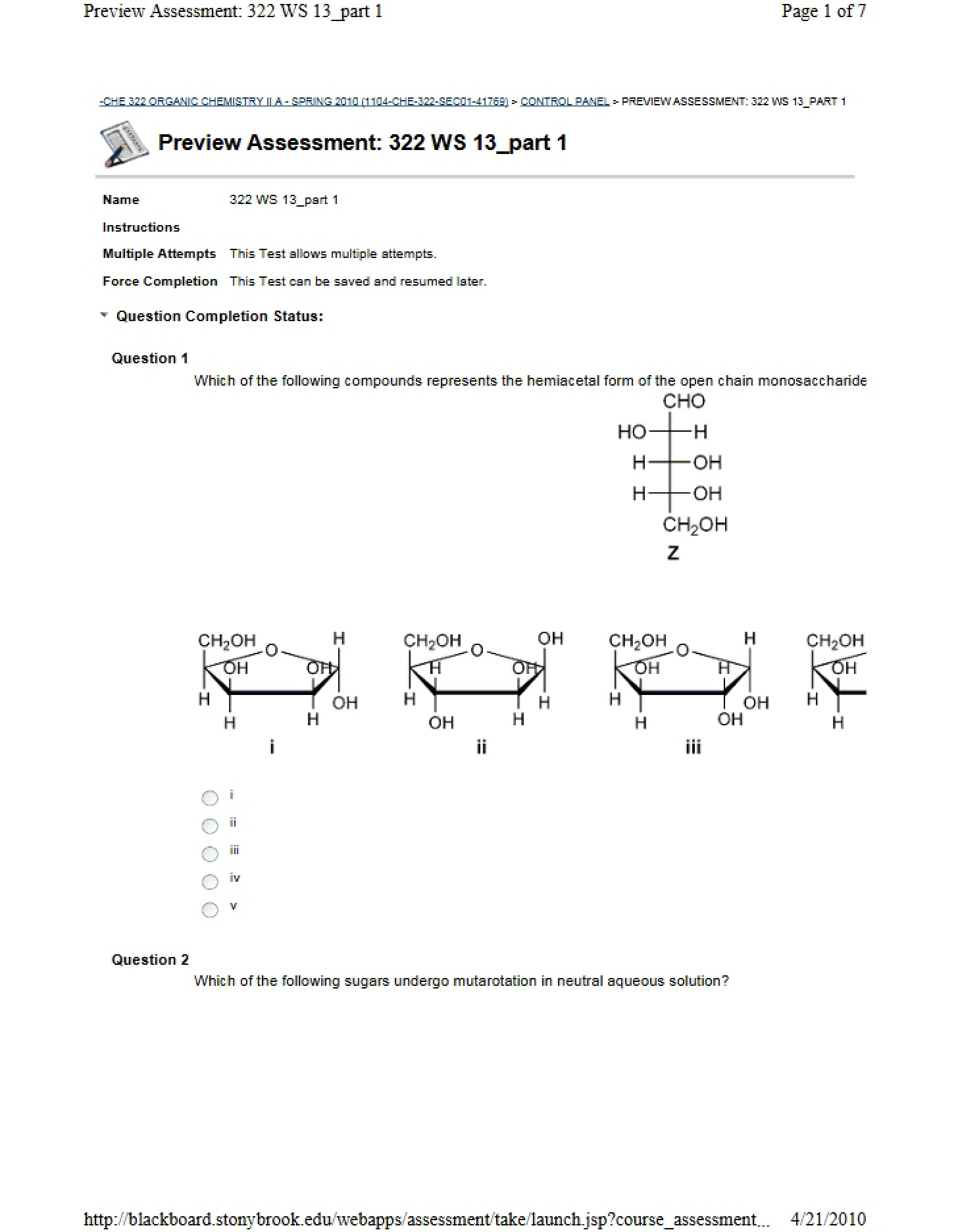
This is a practice questionnaire designed to assess your understanding of key concepts in Organic Chemistry IIa, specifically as taught at Stony Brook University (CHE 322). It’s formatted as a series of questions mirroring the style and difficulty level of assessments you might encounter in the course. The questionnaire focuses on applying theoretical knowledge to predict outcomes and analyze organic compounds and reactions. It’s structured with a mix of multiple-choice and short-answer questions, requiring both recall and problem-solving skills.
Why This Document Matters
This resource is ideal for students currently enrolled in Organic Chemistry IIa, or those reviewing the material for an upcoming exam. It’s particularly beneficial for identifying areas where your understanding needs strengthening. Working through these types of questions helps build confidence and refine your approach to tackling complex organic chemistry problems. Utilizing this questionnaire as part of your study routine can significantly improve your performance and prepare you for rigorous course assessments.
Topics Covered
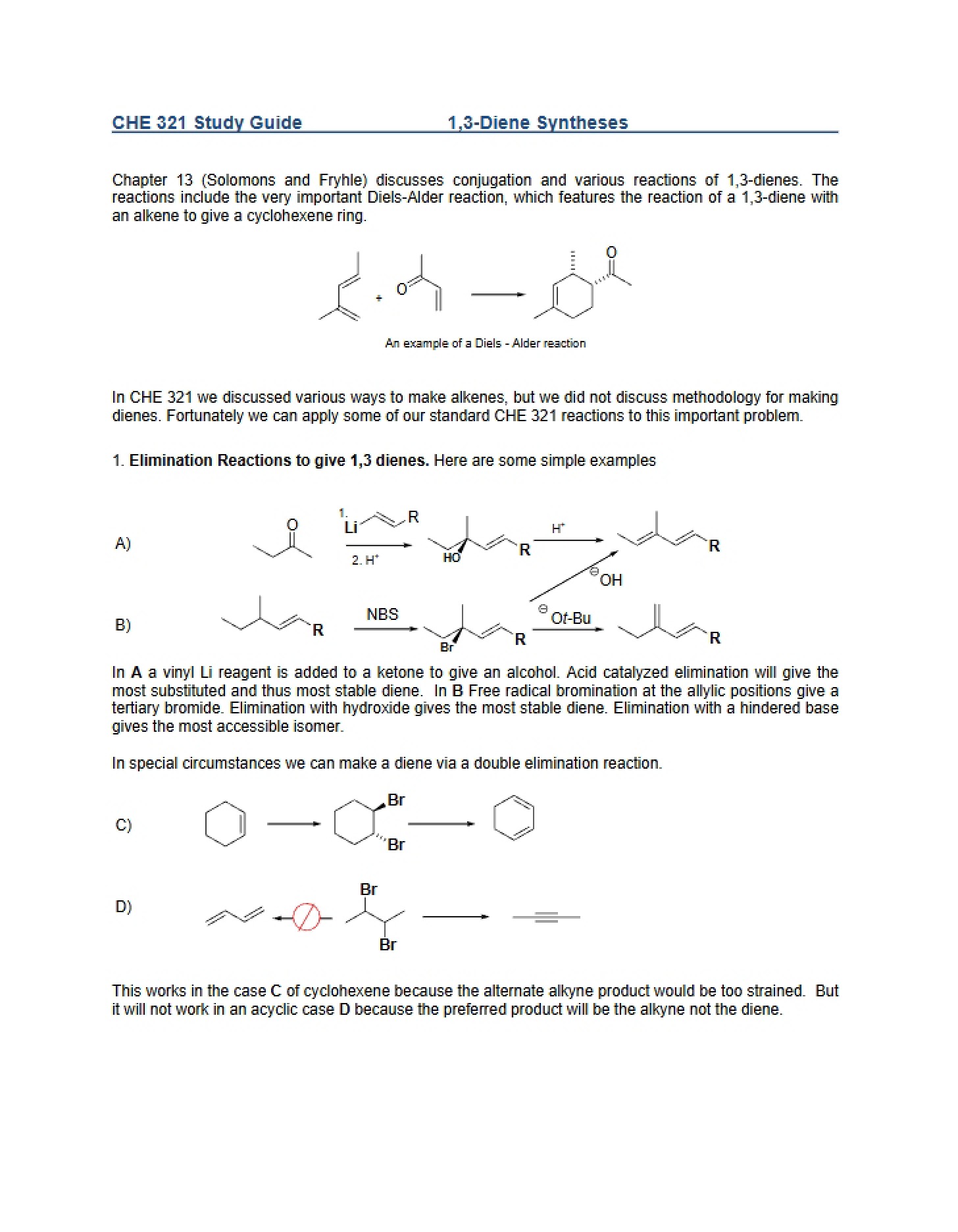
* Diels-Alder Reactions – reactivity and prediction of products
* Aromaticity and Anti-Aromaticity – compound classification
* Nitration Reactions – reactivity and product prediction
* Molecular Orbital Theory – HOMO identification in conjugated systems
* Electrophilic Aromatic Substitution – reaction outcomes and mechanisms
* Acidity and Basicity – predicting relative acidity of compounds
* Reaction Mechanisms – drawing curved arrow mechanisms
* Isomeric Products – identification and formation under varying conditions
* Organic Synthesis – proposing synthetic routes
What This Document Provides
* A comprehensive set of multiple-choice questions testing core organic chemistry principles.
* Short-answer questions requiring structural drawings and mechanistic explanations.
* Questions designed to challenge your understanding of reaction prediction and product analysis.
* Opportunities to practice applying concepts related to aromaticity, acidity, and orbital theory.
* A format closely aligned with typical university-level organic chemistry assessments.