What This Document Is
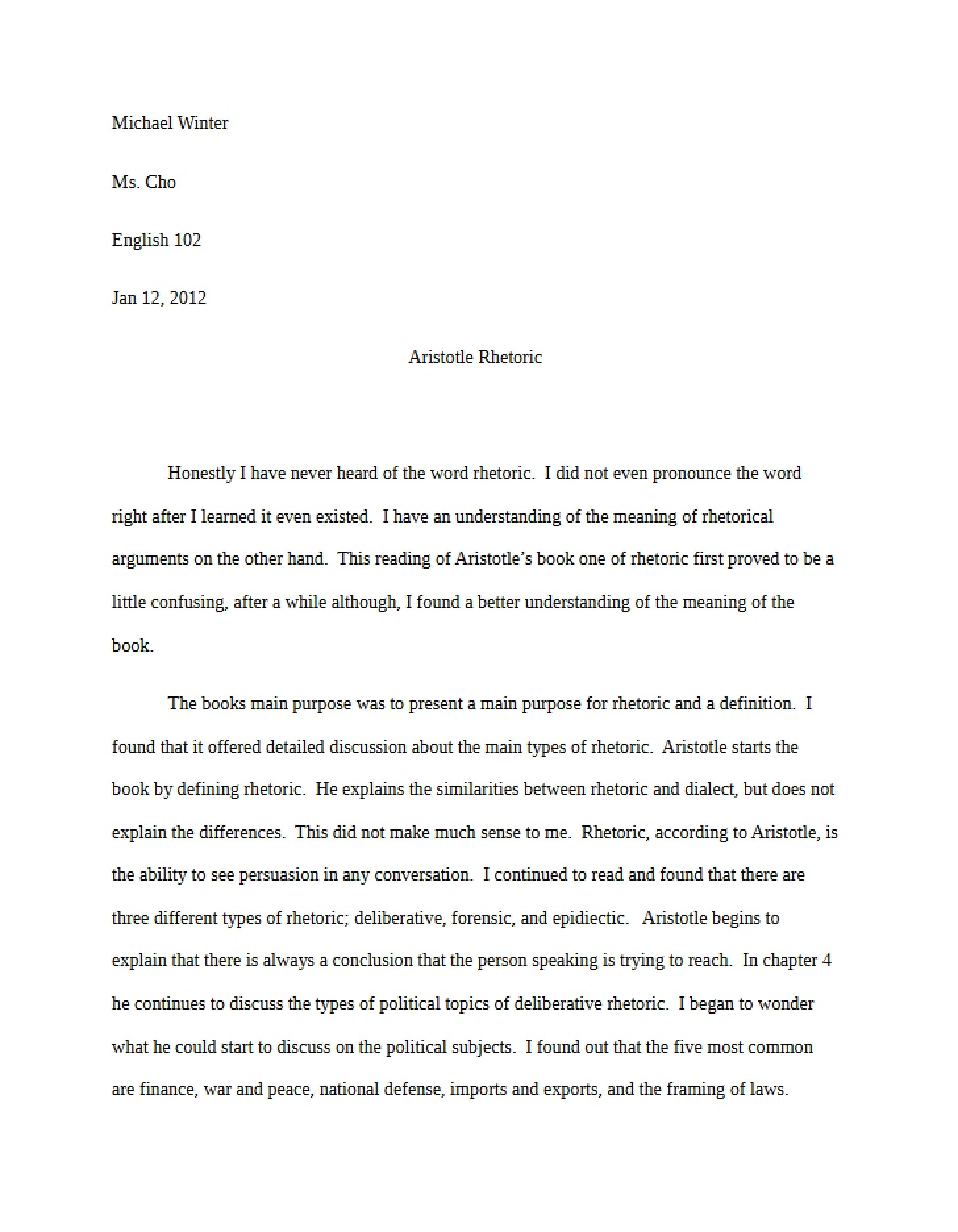
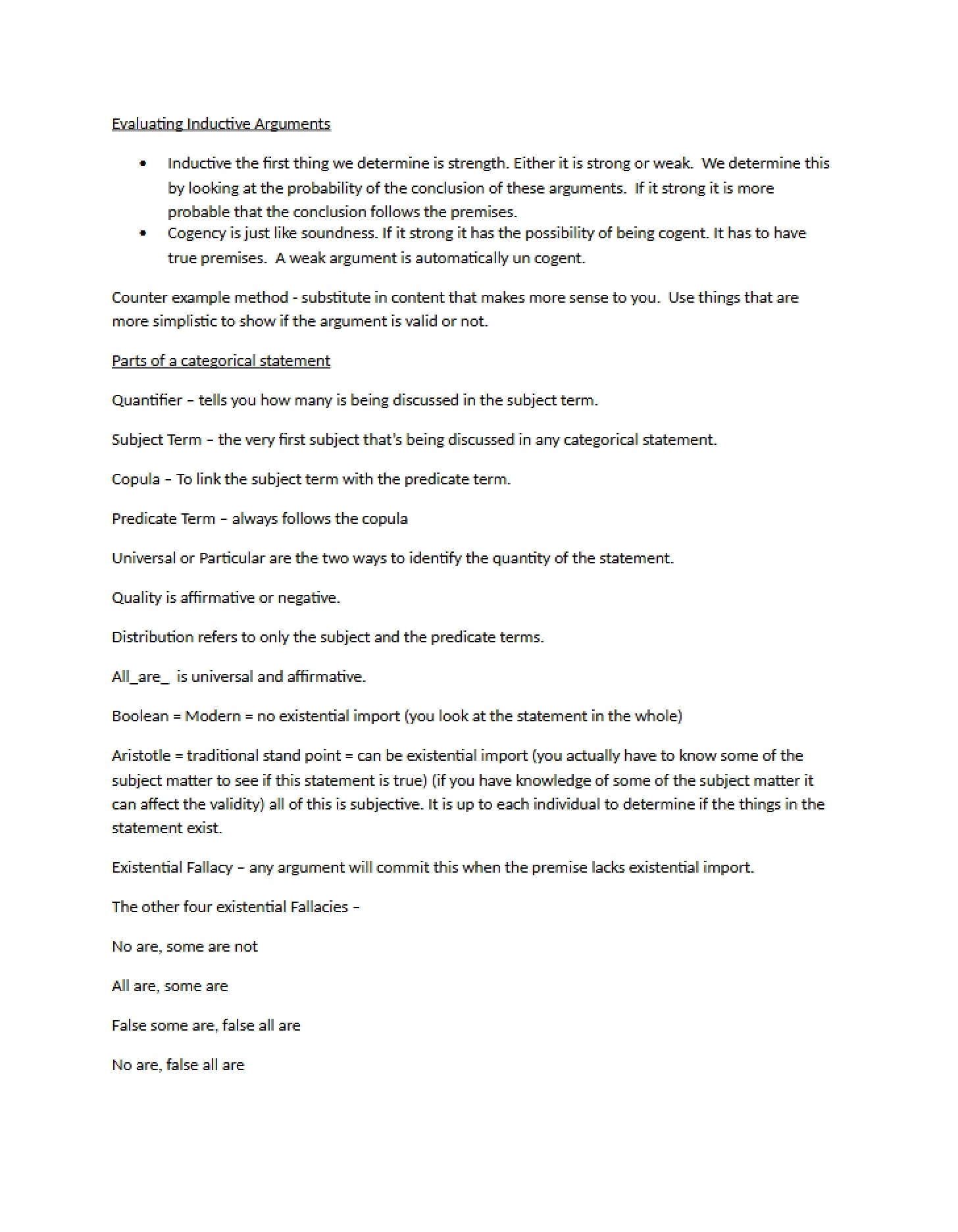
This is a student writing assignment completed for an introductory Rhetoric and Composition course (ENGL 102) at the University of South Carolina. Specifically, it appears to be a response – designated “SWA Number 3” – to a visual stimulus. The assignment focuses on the critical analysis of a picture, requiring the student to interpret its message and evaluate the effectiveness of its rhetorical strategies. The work demonstrates an attempt to dissect the argument presented within the visual medium and articulate a reasoned response.
Why This Document Matters
This assignment example is valuable for students currently enrolled in, or preparing for, similar rhetoric and composition courses. It’s particularly helpful for understanding expectations regarding analytical writing, specifically when dealing with visual rhetoric. Students can benefit from reviewing this work to grasp how to formulate a response to a prompt, structure an argument, and engage with the persuasive elements of non-textual communication. It’s most useful when you’re facing a similar assignment and seeking to understand the level of critical thinking and writing expected at the university level.
Common Limitations or Challenges
Please be aware that this is *one* student’s interpretation and response. It does not represent a perfect or definitive analysis of the visual stimulus. It’s crucial to develop your *own* understanding and arguments. This assignment does not provide the original image, nor does it offer a grading rubric or instructor feedback. It’s intended as an illustrative example, not a model answer. Relying solely on this example will not guarantee success on your own assignments.
What This Document Provides
* A student’s initial reaction and interpretation of a visual image.
* An attempt to identify the central argument being conveyed through the image.
* Discussion of specific visual elements and how they contribute to the overall message.
* A personal connection (or lack thereof) to the argument presented.
* An evaluation of the argument’s strength and validity, based on the student’s perspective.