What This Document Is
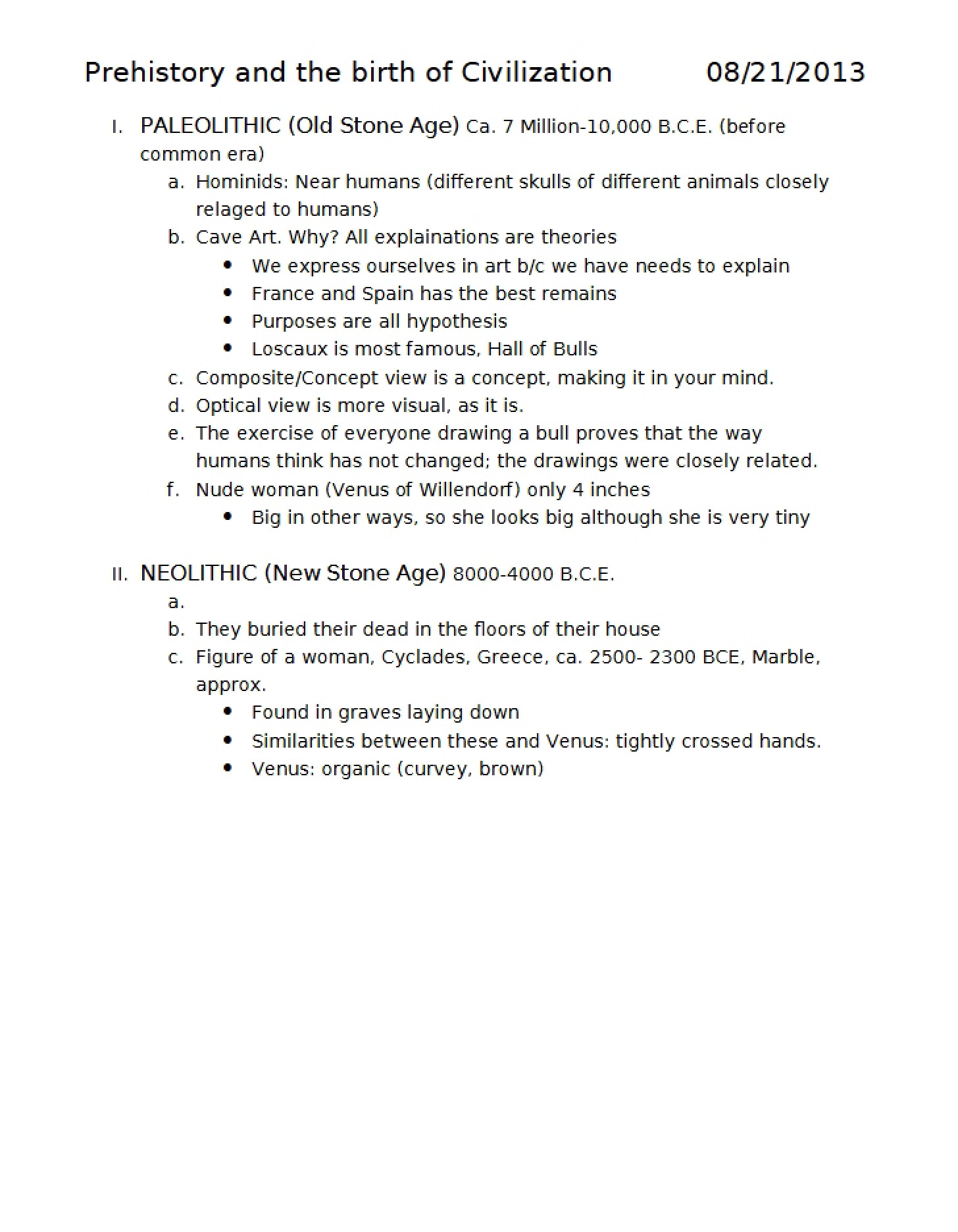
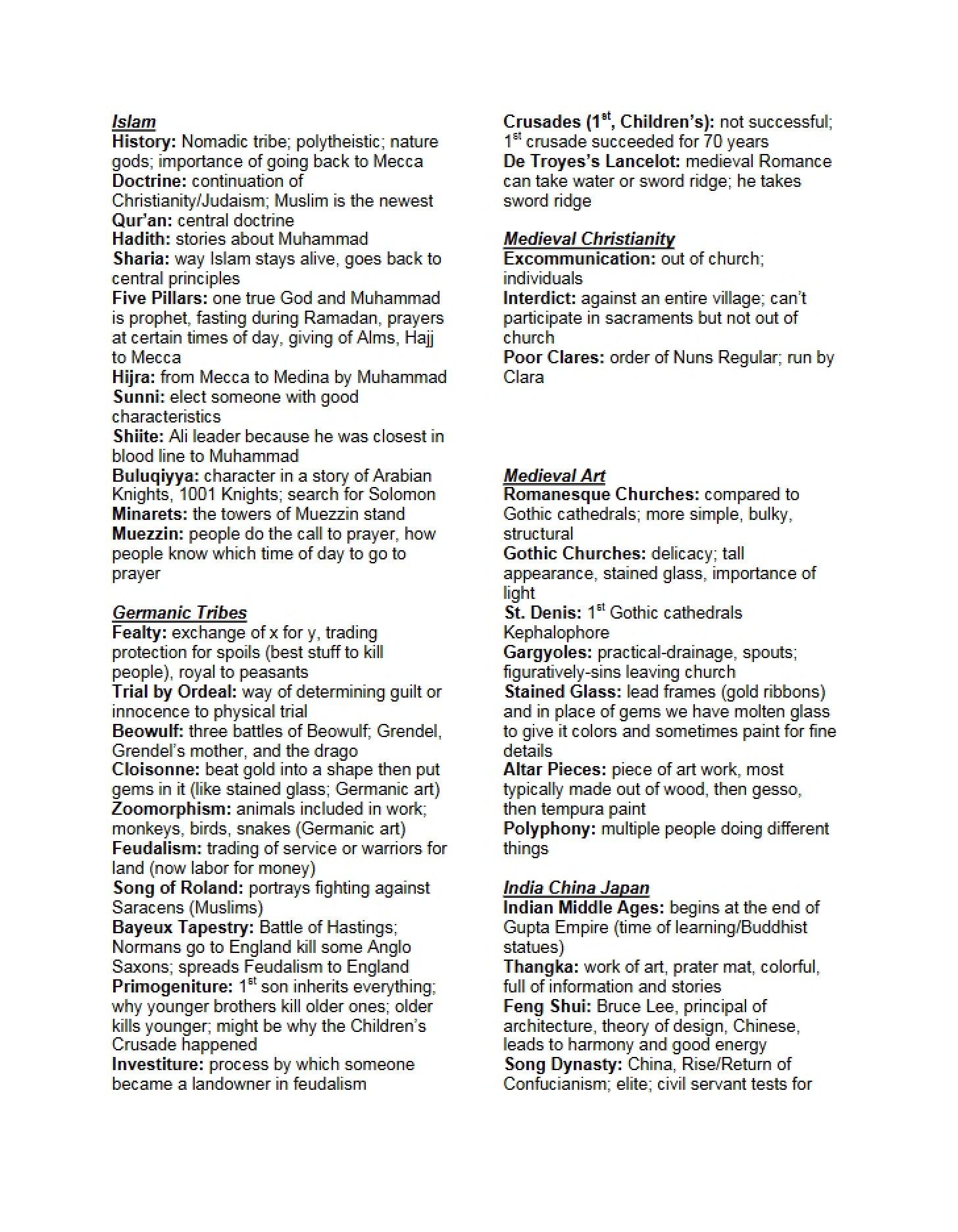
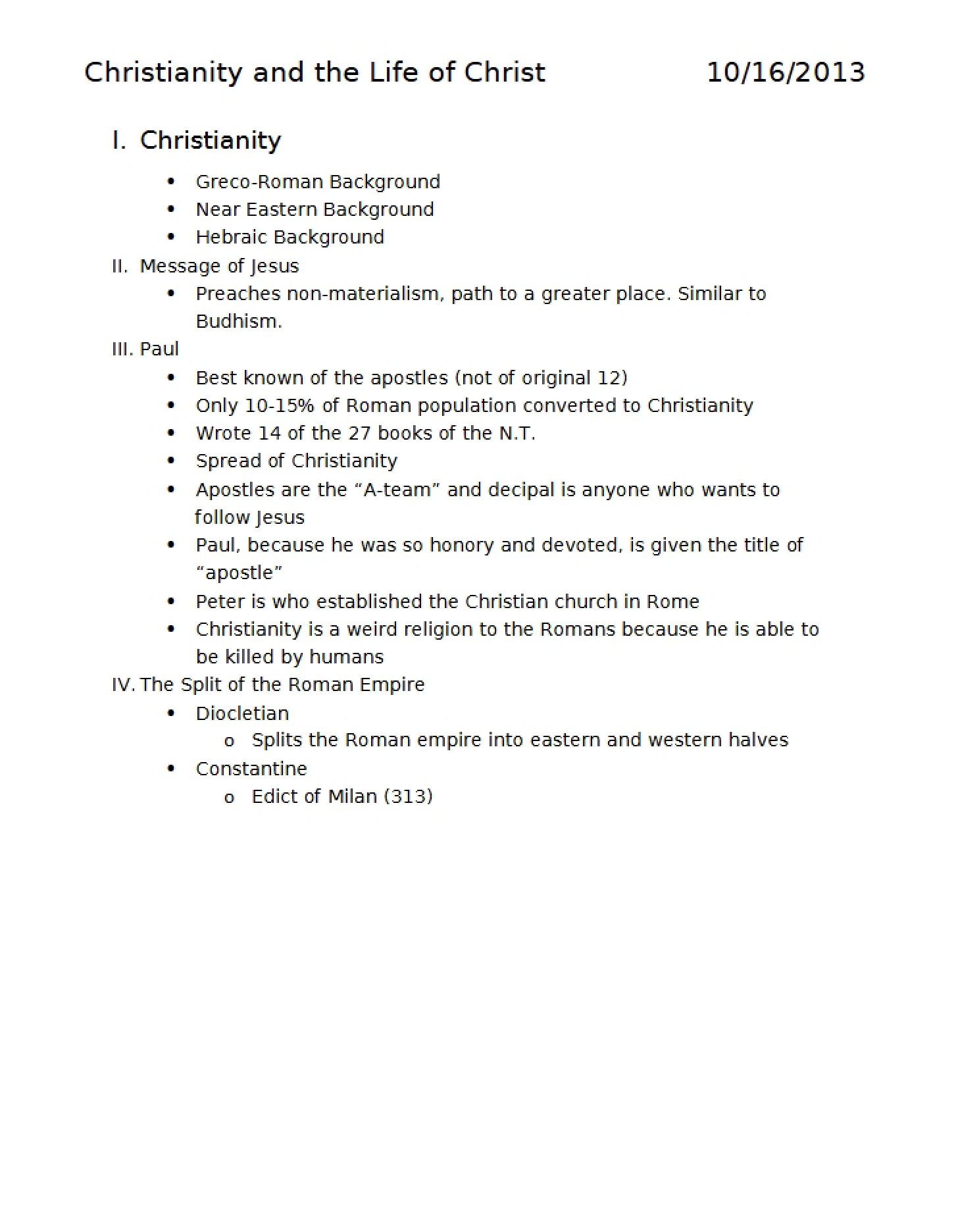
This comprehensive study guide provides a focused exploration of art history, specifically covering developments from the Gothic period through the Early Italian Renaissance. Created for students enrolled in Humanistic Tradition I (HUM 2210) at the University of Central Florida, this resource delves into key artistic movements and influential figures that shaped Western art. It’s designed to support in-depth understanding of stylistic shifts, techniques, and the cultural contexts surrounding these masterpieces.
Why This Document Matters
This guide is an invaluable resource for students seeking to strengthen their grasp of art historical periods and terminology. It’s particularly helpful when preparing for lectures, completing assignments, or reviewing material for assessments. Individuals who benefit most from this resource are those aiming to analyze and interpret artwork within its historical and cultural framework, and those who want a structured overview of significant artistic achievements.
Topics Covered
* Gothic Art characteristics and examples
* Early Renaissance innovations in artistic technique
* Key artists and their contributions (Cimabue, Giotto, Duccio, Simone Martini, Limbourg brothers, Donatello)
* Iconography and symbolism in religious artwork
* The cultural and historical context of art production in Italy
* The transition from Medieval to Renaissance artistic styles
* Analysis of specific artworks and architectural spaces
What This Document Provides
* Detailed overviews of significant artworks, including information about their creation and current location.
* Discussions of artistic techniques, such as tempera painting, modeling, and the use of gold leaf.
* Insights into the lives and influences of prominent artists.
* Exploration of the historical and cultural factors that shaped artistic expression.
* Key terminology related to art history and analysis.
* Comparative analyses of artworks from different periods.