What This Document Is
This document, “System Design 3” from MEMS 5104 at Washington University in St. Louis, focuses on the practical application of Computer-Aided Engineering (CAE) tools within a mechanical design context. Specifically, it delves into advanced system-level design considerations, building upon foundational knowledge of modeling and analysis. The material centers around utilizing industry-standard software to optimize designs for performance and manufacturability. It appears to be a hands-on exploration of techniques used to refine mechanical systems.
Why This Document Matters
This resource is invaluable for mechanical engineering students, particularly those specializing in microelectromechanical systems (MEMS) or pursuing careers in product development and design engineering. It’s most beneficial when you’re ready to move beyond theoretical concepts and apply CAE tools to real-world design challenges. Students preparing for capstone projects or internships involving mechanical design will find this particularly relevant. It’s designed to bridge the gap between classroom learning and professional practice, equipping you with skills directly applicable to industry workflows.
Common Limitations or Challenges
This document does *not* provide a comprehensive introduction to the underlying principles of mechanical engineering or CAE. It assumes a pre-existing understanding of topics like statics, dynamics, material science, and finite element analysis. It also doesn’t offer a complete software tutorial; rather, it focuses on *applying* software features to specific design problems. Access to the featured CAE software is also a prerequisite for fully utilizing the information presented.
What This Document Provides
* Exploration of optimization techniques within a CAE environment.
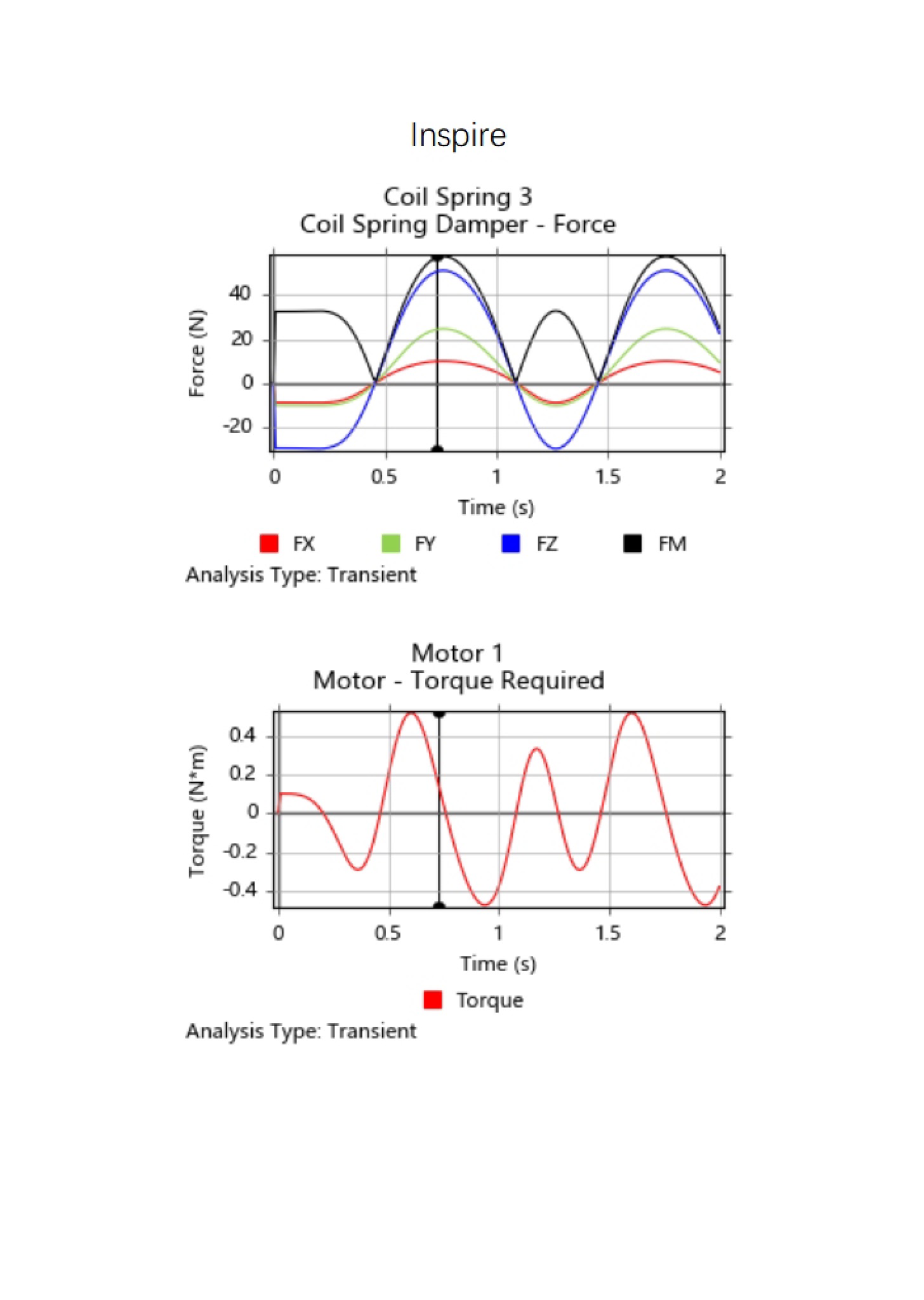
* Analysis of design studies, including frequency response and topology optimization.
* Illustrations of how to interpret CAE results to inform design decisions.
* Examples of applying CAE to refine component designs, such as pulleys.
* Data relating to material mass distribution within optimized designs.
* Insights into the relationship between design parameters and system performance characteristics.
* Presentation of data related to resonant frequencies and their impact on system behavior.