What This Document Is
This is a comprehensive exploration of photovoltaic (PV) systems, designed for students and professionals in the field of solar electric energy. It delves into the core principles governing the design, analysis, and implementation of systems that harness power from the sun. This material provides a foundational understanding of how individual components interact within a larger system, and the trade-offs involved in optimizing performance, cost, and long-term reliability. It’s part of the ELEG 620 course at the University of Delaware, focusing on Solar Electric Systems.
Why This Document Matters
This resource is invaluable for anyone seeking a deeper understanding of solar energy technology, particularly those involved in the engineering, installation, or management of PV systems. It’s ideal for students tackling advanced coursework, engineers preparing for specialized projects, or anyone looking to expand their knowledge of renewable energy solutions. Understanding these concepts is crucial for making informed decisions about system design and ensuring optimal performance in diverse applications. Accessing the full content will equip you with the knowledge to confidently analyze and contribute to the growing field of solar energy.
Topics Covered
* Fundamental characteristics of energy systems, both conventional and photovoltaic.
* Key considerations in matching system components for optimal efficiency.
* The impact of operating conditions and environmental factors on system performance.
* Analysis of system reliability and the importance of long-term component warranties.
* Trade-offs between performance, availability, and cost in system design.
* The unique attributes of PV systems, including modularity and scalability.
* Power quality considerations for integrating PV systems into existing grids.
What This Document Provides
* A detailed overview of the central issues impacting PV system design and operation.
* Key parameters for evaluating system performance, including availability, capacity factor, and reliability.
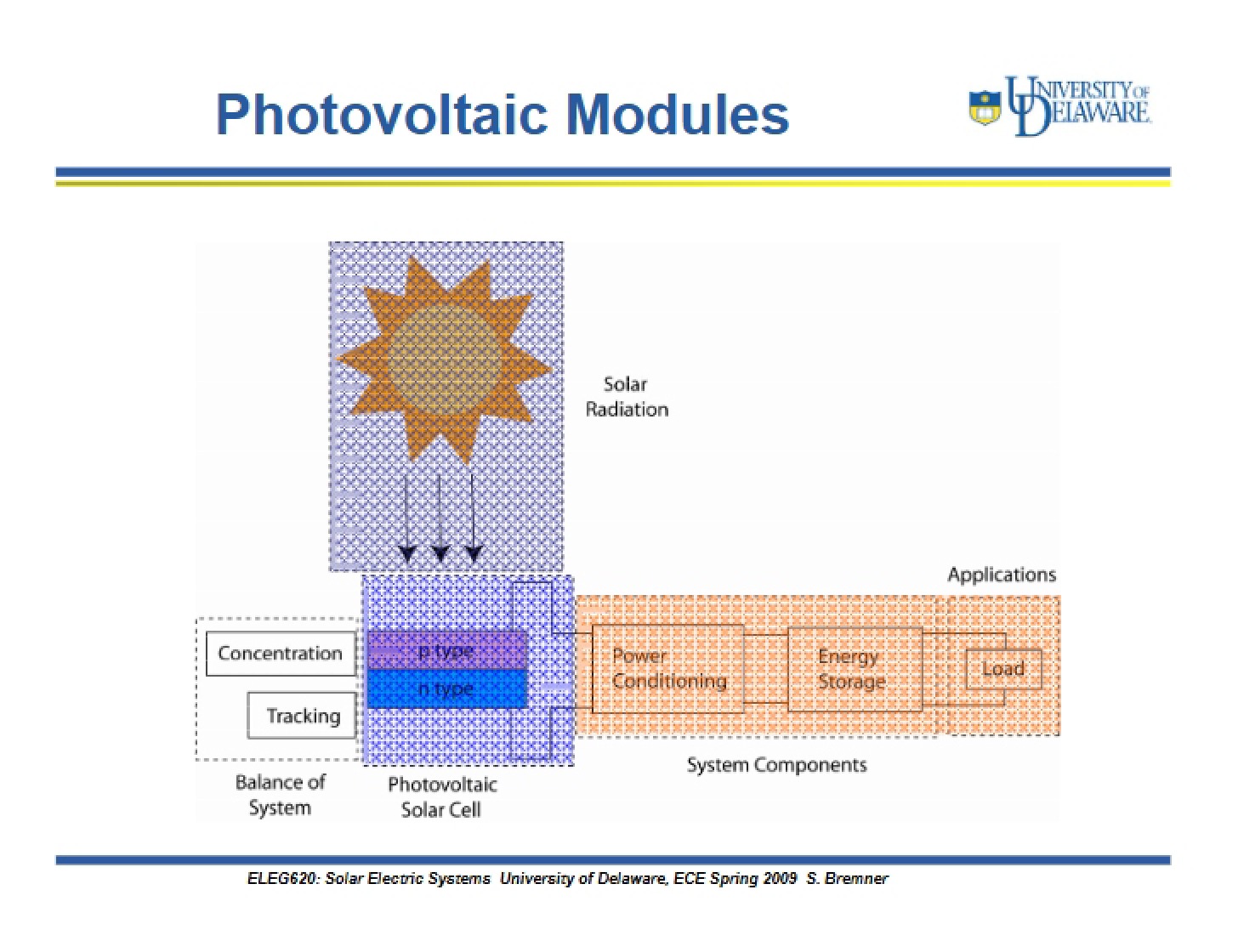
* A framework for understanding the interplay between system components and overall power production.
* Insights into the differences between thermal and photovoltaic energy systems.
* A foundation for systematic system design and analysis methodologies.
* Contextual information related to the University of Delaware’s ELEG 620 course on Solar Electric Systems.