What This Document Is
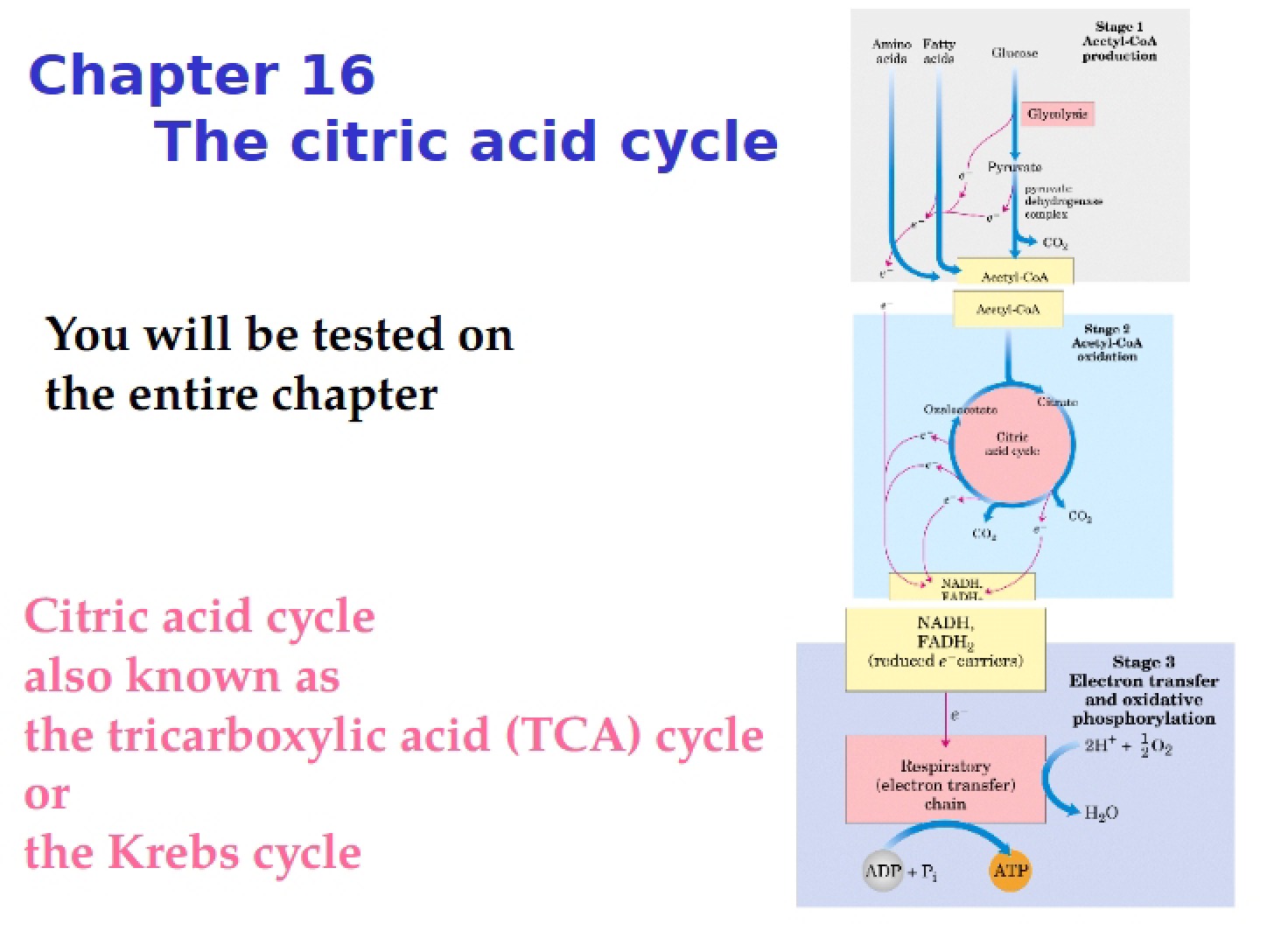
This study guide provides a focused exploration of a central metabolic pathway – the Citric Acid Cycle, also known as the Krebs Cycle or Tricarboxylic Acid Cycle. It’s designed for students in an introductory biochemistry course seeking a deeper understanding of how key biomolecules are processed to generate energy within cells. The material builds upon foundational knowledge of cellular respiration and prepares learners for more advanced topics in metabolism and bioenergetics.
Why This Document Matters
This resource is particularly beneficial for students who are visually oriented or who benefit from a structured, step-by-step approach to understanding complex biochemical processes. It’s ideal for use during active learning – while reviewing lecture notes, preparing for quizzes, or working through problem sets. Students struggling to grasp the interconnectedness of metabolic pathways will find this guide especially helpful. Accessing the full material will unlock a comprehensive understanding crucial for success in biochemistry and related fields.
Topics Covered
* The central role of the Citric Acid Cycle in cellular respiration
* The molecular components involved in the cycle’s operation
* The regulation and control mechanisms influencing the cycle’s activity
* The relationship between the cycle and other metabolic pathways
* The energetic implications of each stage within the cycle
* The structural components of the mitochondria and their relevance to the cycle
What This Document Provides
* Detailed illustrations of key molecules involved in the cycle.
* A systematic overview of the cyclical process.
* Information regarding enzyme function within the cycle.
* Discussion of the energetic favorability of different stages.
* Visual representations of enzyme mechanisms and structural components.
* Insights into the impact of specific inhibitors on the cycle’s efficiency.