What This Document Is
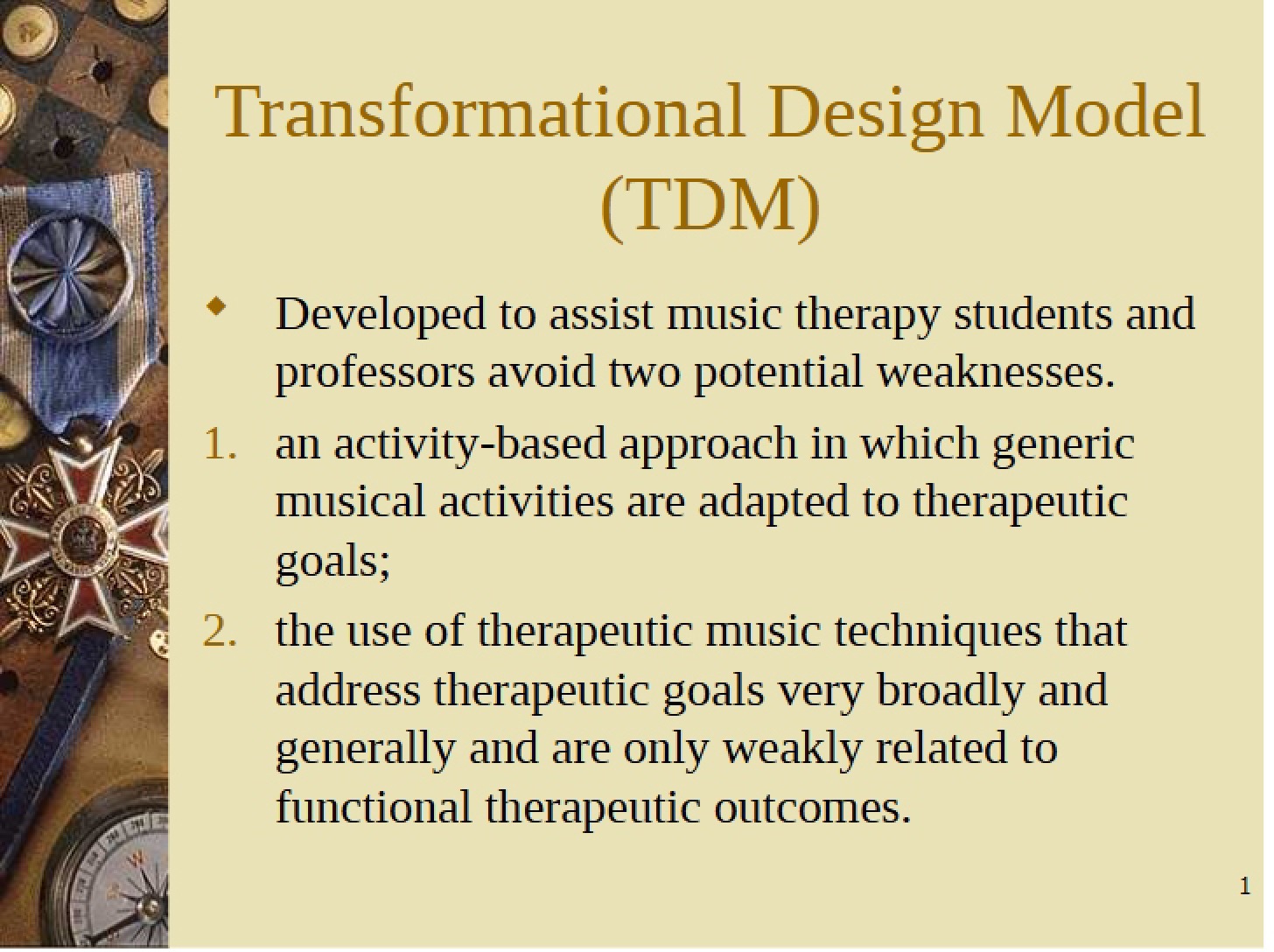
This resource details a specific model designed for music therapy practice, known as the Transformational Design Model (TDM). It’s a framework intended to guide students and professionals in structuring music therapy interventions. The material focuses on building a strong connection between client needs, measurable goals, and the application of music-based experiences. It delves into the importance of a systematic approach to avoid common pitfalls in the field.
Why This Document Matters
This is a crucial resource for students enrolled in music therapy courses, particularly those focused on application and clinical practice. Practicing music therapists will also find value in revisiting this model as a refresher or to refine their intervention strategies. It’s most beneficial when you’re learning to translate assessment findings into targeted therapeutic objectives and are seeking a method to ensure interventions are functionally relevant and demonstrably effective. Anyone preparing to design and implement music therapy sessions will benefit from understanding the principles outlined within.
Common Limitations or Challenges
This material presents a *model* for practice, and doesn’t offer a comprehensive overview of all music therapy techniques. It doesn’t provide pre-made intervention plans or specific musical selections. It also assumes a foundational understanding of assessment procedures and therapeutic goal writing. The TDM is presented as a tool to *enhance* clinical reasoning, not to replace it. It won’t detail how to address specific diagnoses, but rather how to structure your approach *regardless* of diagnosis.
What This Document Provides
* A breakdown of the core components of the Transformational Design Model.
* Discussion of the importance of linking assessment to intervention.
* Exploration of different domains for establishing therapeutic objectives.
* Guidance on formulating goals and objectives with appropriate directional language.
* An explanation of how to create measurable “pinpoints” to track client progress.
* Considerations for transferring therapeutic gains to real-world settings.