What This Document Is
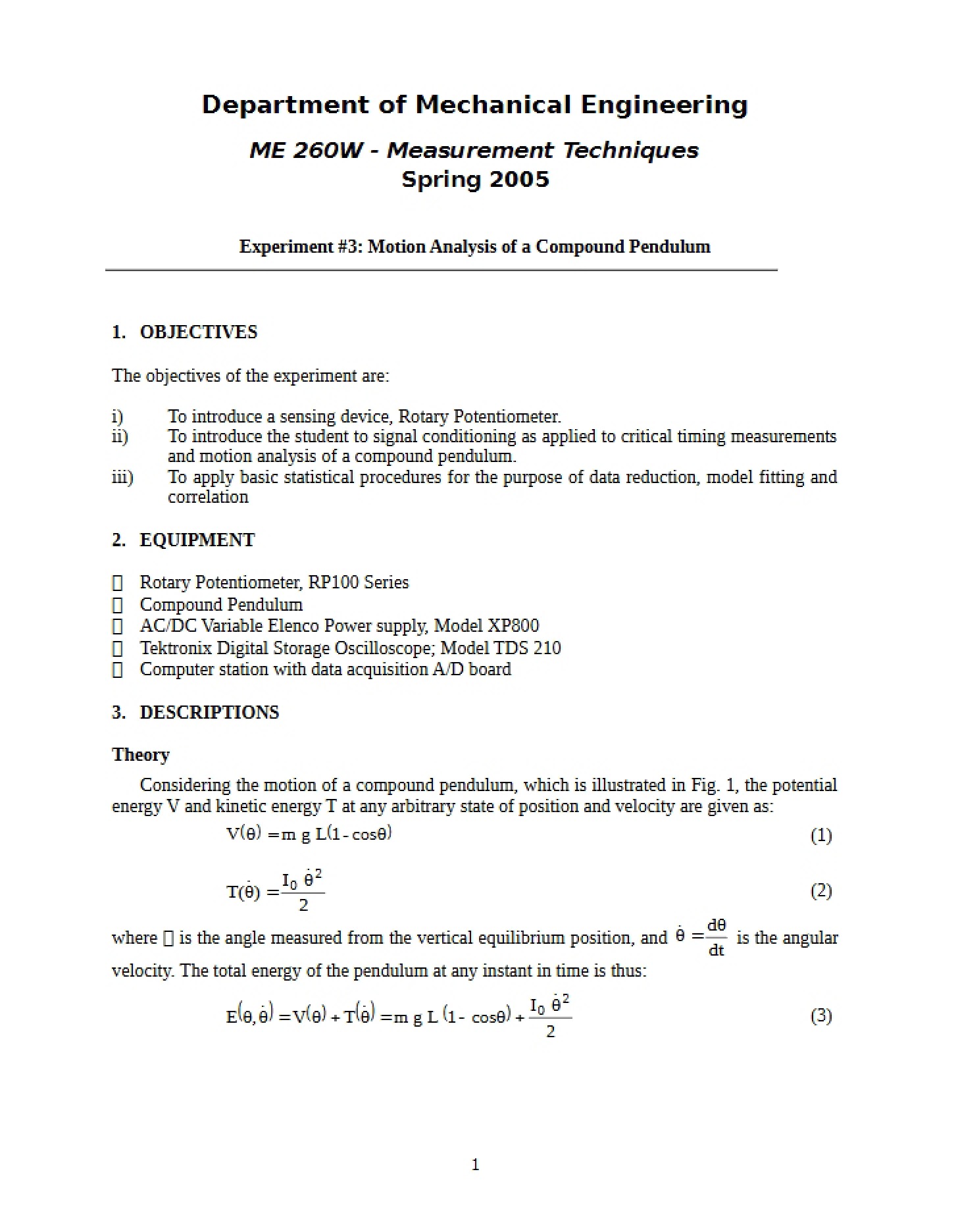
This document details an experiment focused on analyzing the vibrational characteristics of a cantilever beam – a fundamental concept in mechanical engineering. It’s a lab manual outlining the procedures and theoretical background for investigating beam dynamics, specifically examining natural frequencies, damping, and frequency response. It’s designed to be used in conjunction with hands-on experimentation using specialized equipment.
Why This Document Matters
This resource is invaluable for students enrolled in a Measurement Techniques course, or similar mechanical engineering curricula. It’s particularly helpful when preparing for a lab session involving dynamic systems analysis. Engineers and technicians working with structures subject to vibration, or those involved in modal analysis, will also find the foundational principles discussed here beneficial for understanding real-world applications. Access to the full document will allow for a complete understanding of the experimental process and data interpretation.
Topics Covered
* Cantilever beam theory and behavior
* Natural frequencies and mode shapes
* Damping characteristics of dynamic systems
* Frequency response analysis
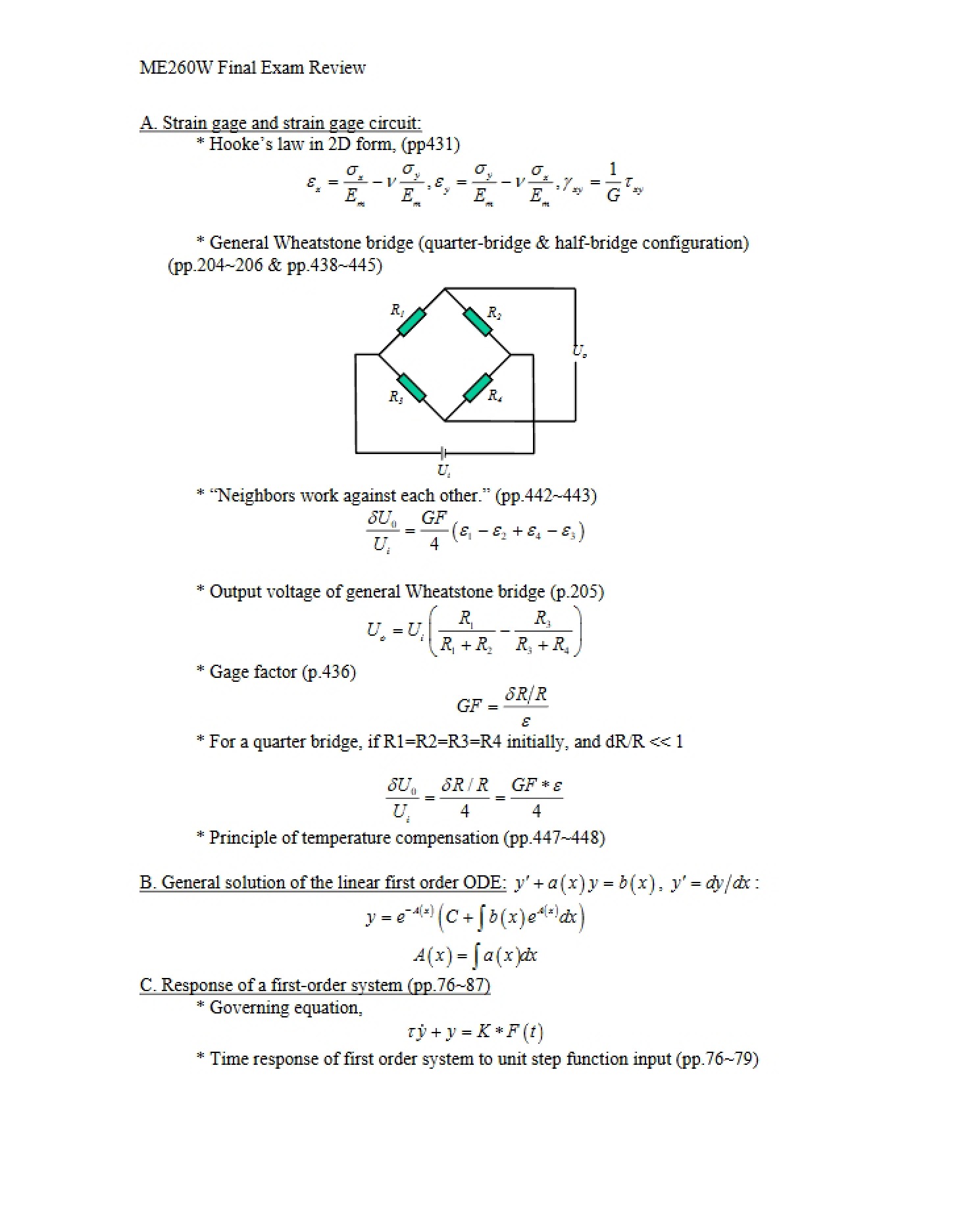
* Strain gauge instrumentation and application
* Data acquisition and signal processing techniques
* Wheatstone bridge circuits
* Logarithmic decrement and damping ratio calculations
What This Document Provides
* A detailed overview of the experimental setup, including a list of required equipment.
* Theoretical background explaining the principles governing beam vibrations.
* Diagrams illustrating the experimental configuration and instrumentation.
* A framework for understanding the relationship between excitation forces, beam deflection, and measured strain.
* Context for interpreting experimental data related to damping and natural frequencies.