What This Document Is
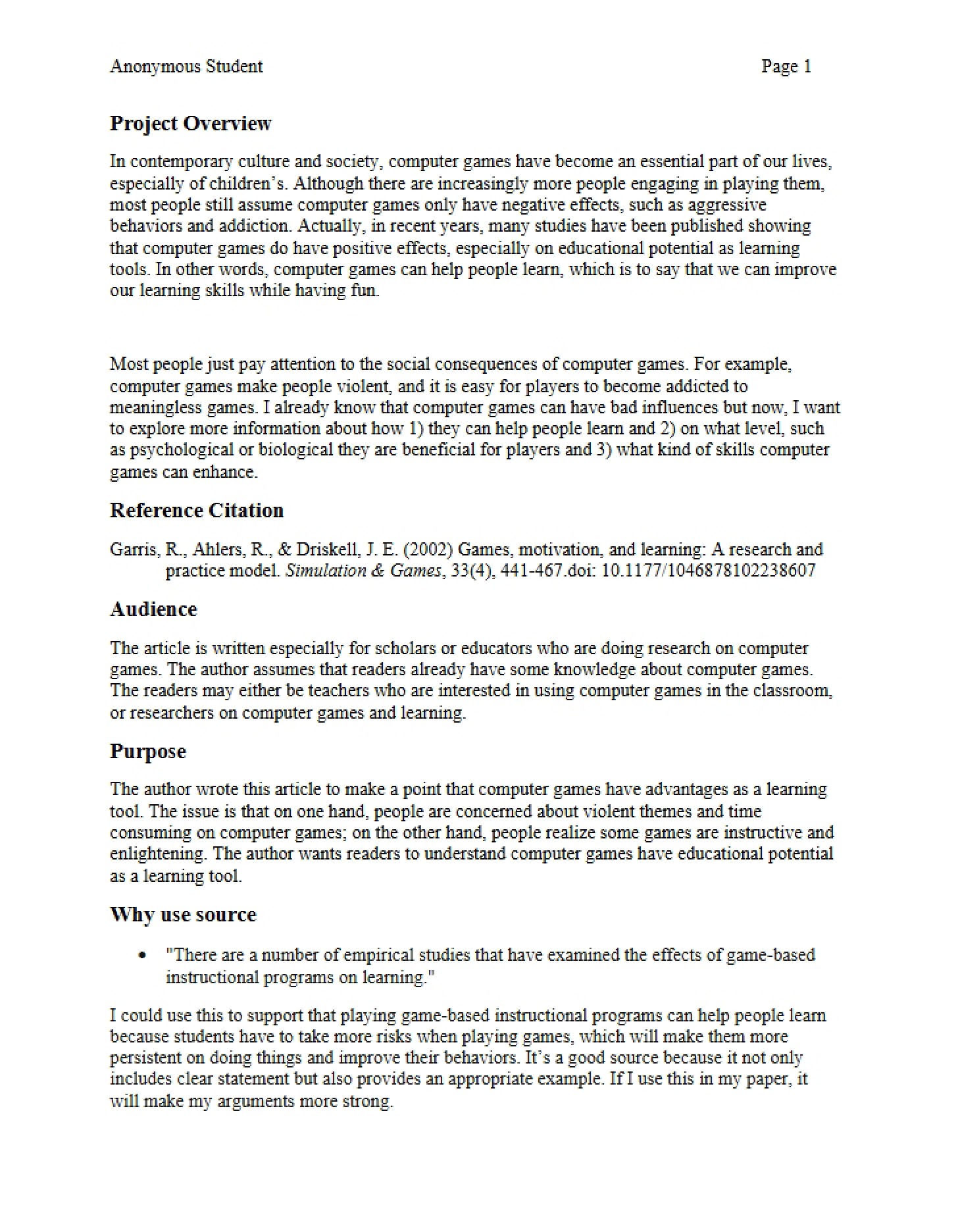
This resource is a focused template designed to guide students through a critical evaluation of sources for university-level academic writing. Specifically, it’s Part 2 of a source evaluation process, building upon foundational work already completed. It centers on a detailed examination of individual sources – potentially articles, books, or websites – to determine their suitability and strength for use in research projects. The template facilitates a systematic approach to understanding a source’s context, credibility, and potential contribution to a larger argument.
Why This Document Matters
Students enrolled in University Writing courses (like WRIT 1301 at the University of Minnesota Twin Cities) will find this template invaluable. It’s particularly helpful when tackling research papers or projects requiring robust evidence and well-supported claims. Anyone needing to assess the reliability and relevance of information – whether for a formal assignment or independent research – can benefit from the structured evaluation process outlined within. Mastering source evaluation is a core skill for academic success and informed decision-making.
Common Limitations or Challenges
This template provides a framework for *analyzing* sources, but it doesn’t *provide* the sources themselves. It won’t offer pre-written evaluations or tell you whether a source is “good” or “bad.” The effectiveness of this template relies on your active engagement with the source material and your ability to apply critical thinking skills. It also assumes you have already identified potential sources for your project.
What This Document Provides
* A structured format for recording key source information (author, title, publication details).
* Prompts to analyze a source’s intended audience and underlying assumptions.
* Guidance for identifying the author’s purpose and potential biases.
* A framework for evaluating the credibility of authors, content, and publication venues.
* Strategies for “networking” sources – discovering related research through your initial findings.
* Space to articulate *why* a source is useful for your specific research goals.