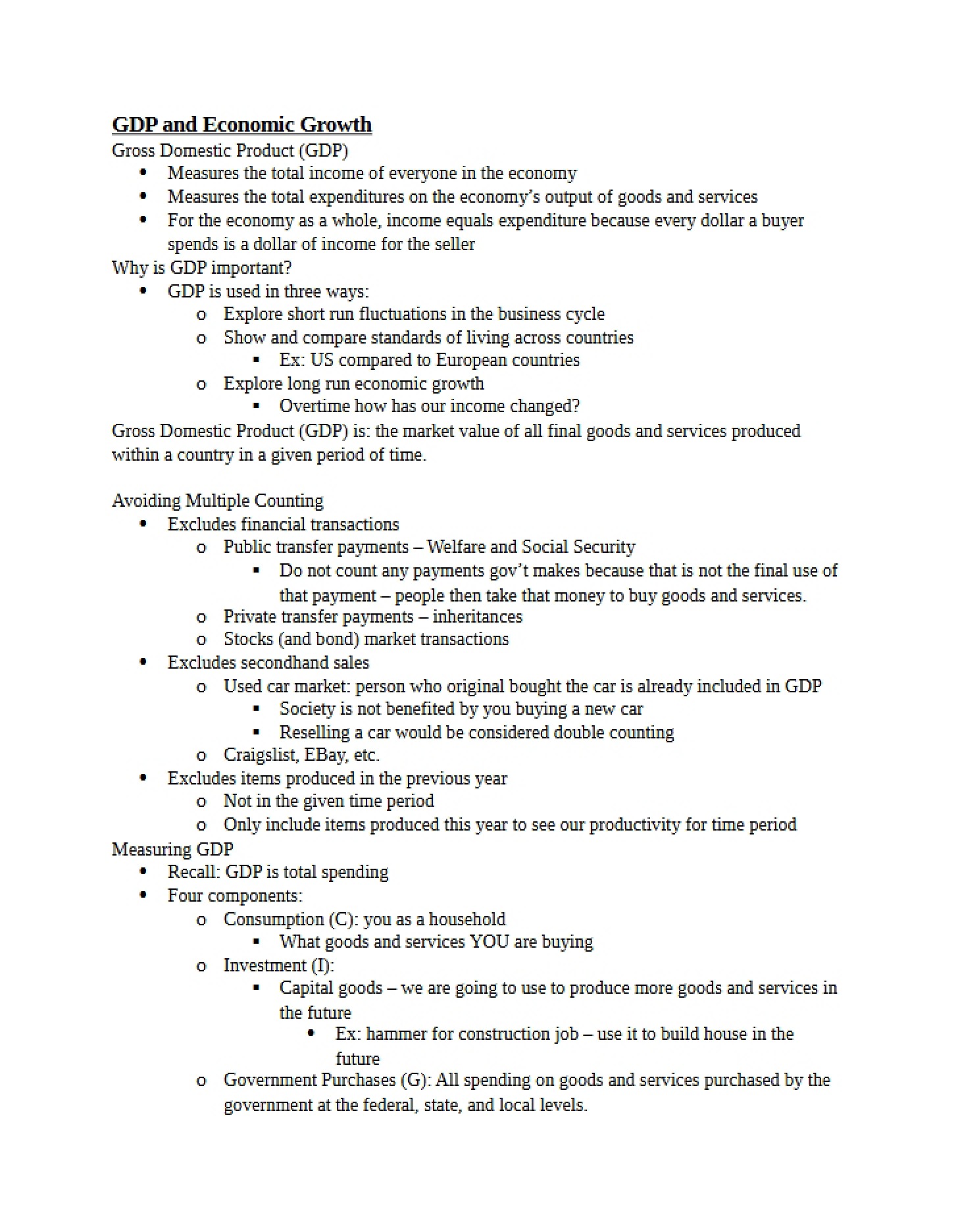
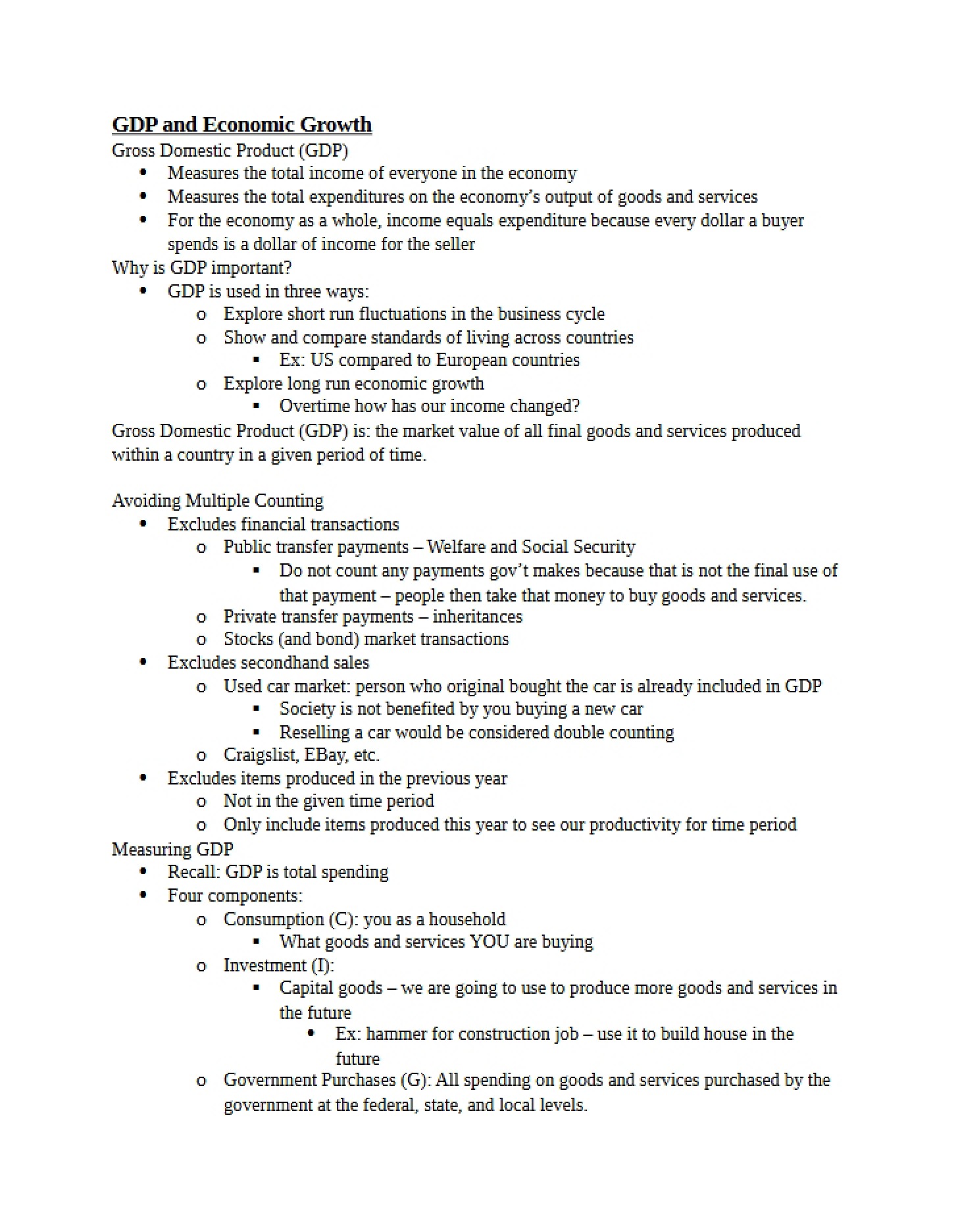
What This Document Is
This study guide provides a comprehensive overview of foundational economic principles, specifically designed to support students in an introductory economics course (ECON 224 at the University of South Carolina). It centers around the core tenets that underpin economic thought and analysis, laying the groundwork for more advanced topics. The guide appears to be compiled from lecture notes and course materials, offering a structured approach to understanding key concepts.
Why This Document Matters
This resource is invaluable for students preparing for assessments, particularly exams, in an introductory economics course. It’s ideal for those seeking to solidify their understanding of fundamental economic ideas, identify areas needing further review, and build a strong conceptual framework. Students who utilize this guide will be better equipped to analyze real-world economic scenarios and engage with more complex economic theories later in the course. It’s particularly helpful for students who benefit from a consolidated and organized presentation of course material.
Common Limitations or Challenges
This study guide is designed to *supplement* – not replace – active participation in lectures, assigned readings, and independent study. It does not offer detailed mathematical derivations or proofs of economic models. Furthermore, it focuses on core principles and does not delve into specialized areas within economics. It’s important to remember that economic concepts often require application and critical thinking, which this guide facilitates but doesn’t fully provide. Access to the full document is required for complete understanding.
What This Document Provides
* A structured presentation of core economic principles, starting with fundamental concepts like scarcity and opportunity cost.
* Explanations of how economists approach decision-making, including the concepts of rationality and marginal analysis.
* An overview of the role of markets and government intervention in economic activity.
* Discussion of factors influencing a nation’s economic performance and standard of living.
* Introduction to key economic concepts like inflation, unemployment, and the business cycle.
* Definitions of important economic terminology, such as productivity, incentives, and market failure.
* A foundational understanding of microeconomic and macroeconomic perspectives.
* Exploration of the benefits of trade and concepts like comparative advantage.