What This Document Is
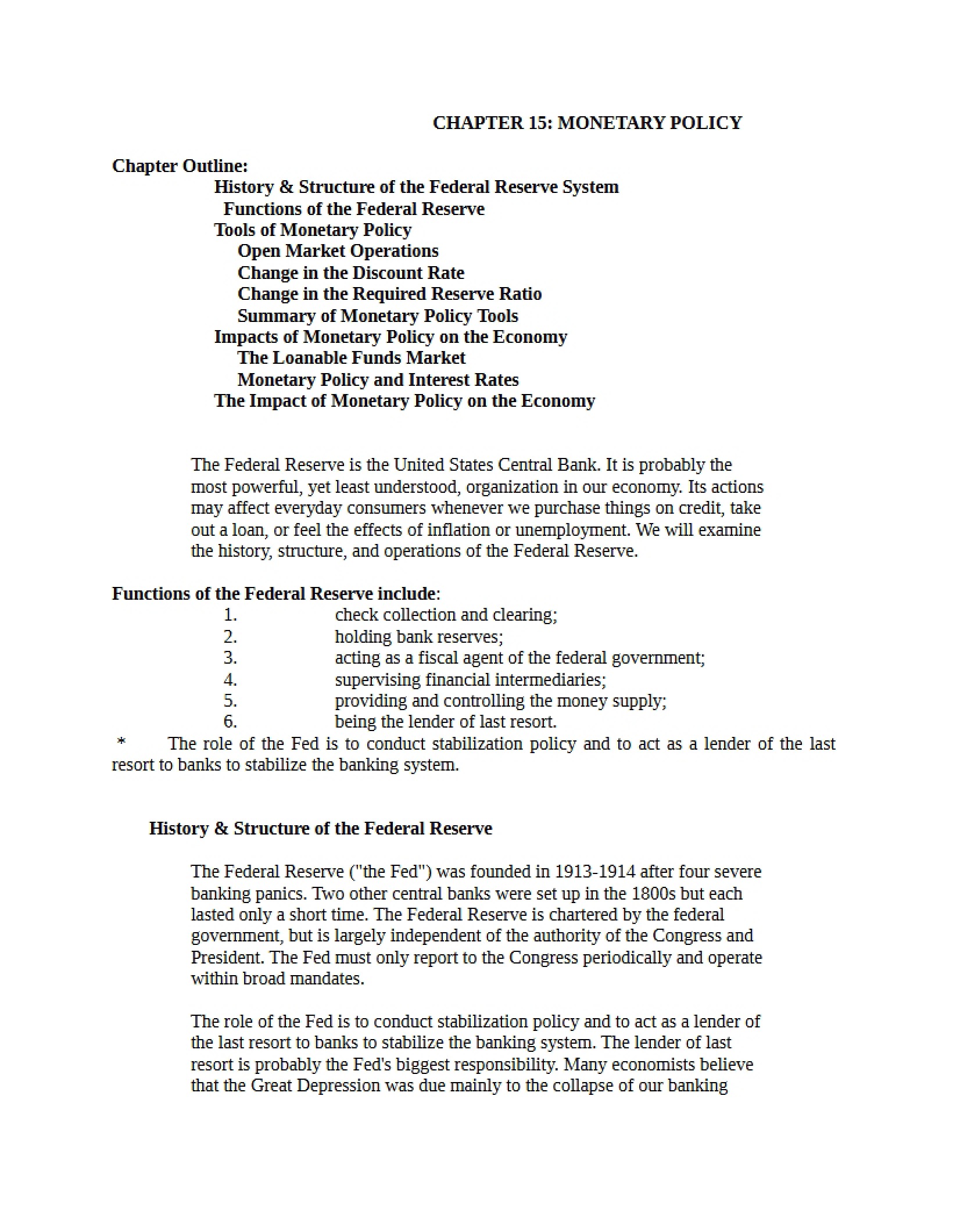
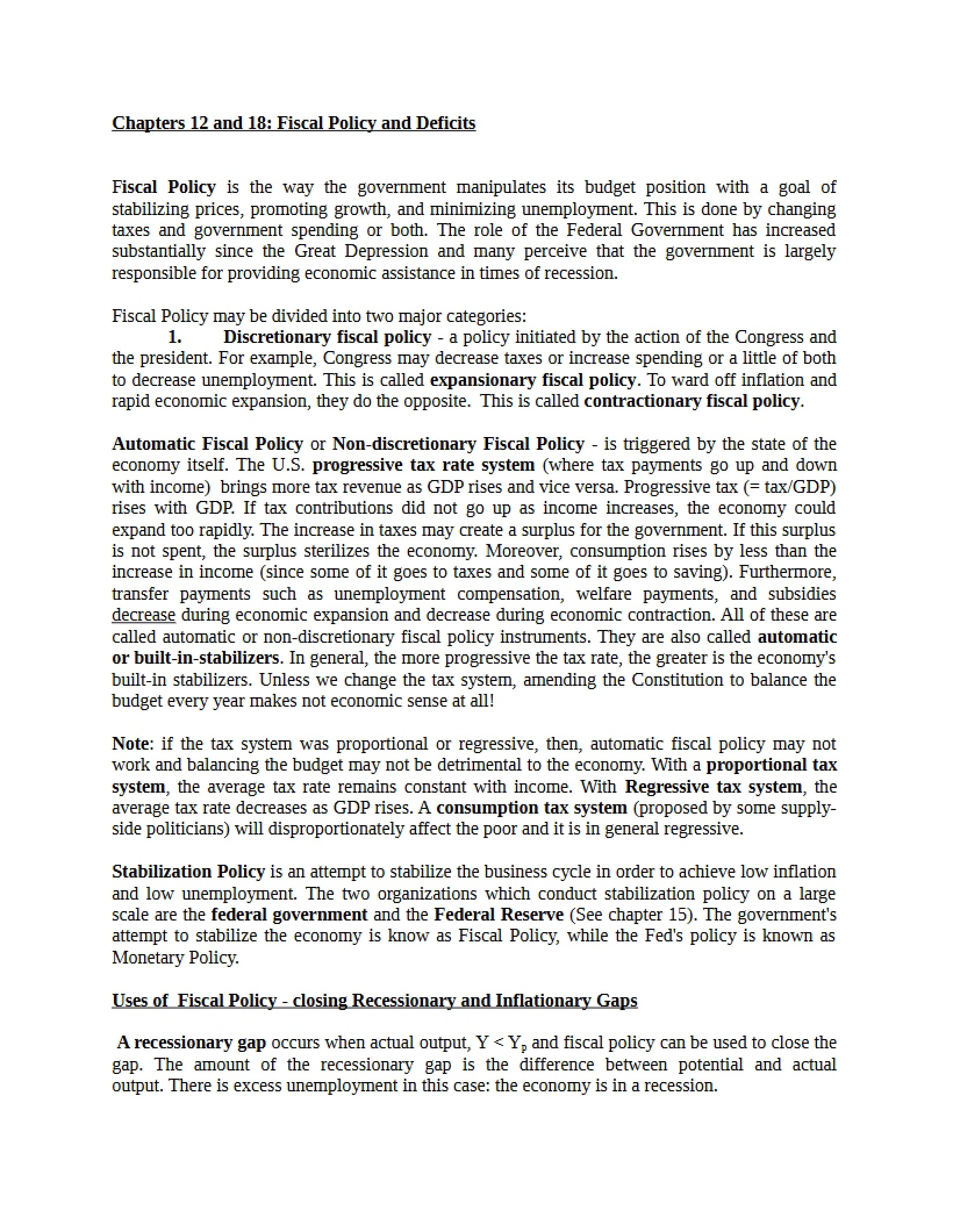
This document presents a historical overview of macroeconomic thought in the United States, spanning from the Classical school through New Keynesian economics. It examines how evolving economic theories have been challenged and refined by real-world events, particularly the Great Depression, the 1960s-70s period of stagflation, and subsequent economic shifts. The notes trace the influence of different schools of thought – Classical, Keynesian, Monetarist, New Classical, and New Keynesian – on policy decisions and economic understanding.
Why This Document Matters
This material is essential for students in Principles of Macroeconomics (ECO 230) at Murray State University. It provides crucial context for understanding the foundations of modern macroeconomic policy and the ongoing debates within the field. It’s particularly valuable when studying aggregate supply and demand, fiscal and monetary policy, and the historical performance of the U.S. economy. Understanding this evolution is key to interpreting current economic events and policy discussions.
Common Limitations or Challenges
This document offers a broad historical survey. It does not delve into the mathematical models underlying each theory, nor does it provide detailed policy recommendations. It’s a foundational overview, not a comprehensive guide to macroeconomic modeling or policy implementation. Users will still need to engage with textbooks, current research, and data analysis to fully grasp the complexities of macroeconomics.
What This Document Provides
The full document includes:
* A chronological examination of major macroeconomic schools of thought.
* Analysis of how key economic events (like the Great Depression and the 1970s oil shocks) influenced economic theory.
* Discussion of the roles of fiscal and monetary policy in shaping economic outcomes.
* An overview of the strengths and weaknesses of different macroeconomic perspectives.
* Specific examples of how economic theories were applied (or misapplied) in U.S. economic history.
This preview provides a high-level summary of the document’s scope and historical focus. It does *not* include the detailed analysis of each school of thought, specific policy examples, or the document’s concluding insights on the evolution of macroeconomic thinking.