What This Document Is
This resource is a focused study guide designed to support students enrolled in an introductory art history course, specifically covering material for Test One (ART 108) at the University of South Carolina. It centers on key artistic developments and figures prominent during a pivotal period in art history – broadly encompassing the Early Renaissance and related movements. The guide aims to consolidate information regarding artistic techniques, influential artists, and the socio-historical contexts that shaped their work.
Why This Document Matters
This guide is invaluable for students seeking to solidify their understanding of foundational concepts in Renaissance art. It’s particularly useful as you prepare for assessments, helping you to identify and focus on the most important areas of study. Students who utilize this guide will be better equipped to analyze artworks, understand the evolution of artistic styles, and articulate the significance of key figures and innovations. It’s best used in conjunction with course lectures, readings, and visual analysis exercises – think of it as a powerful tool to enhance, not replace, your core learning materials.
Common Limitations or Challenges
This study guide is a condensed resource and does not provide exhaustive coverage of every artist, artwork, or historical detail. It’s designed to highlight core concepts and figures, but it won’t substitute for a thorough engagement with the assigned course materials. It does not include detailed image analysis or interpretations of specific artworks; rather, it focuses on providing a framework for understanding the broader artistic landscape. Access to the full guide is required to unlock the specific details and nuances covered within.
What This Document Provides
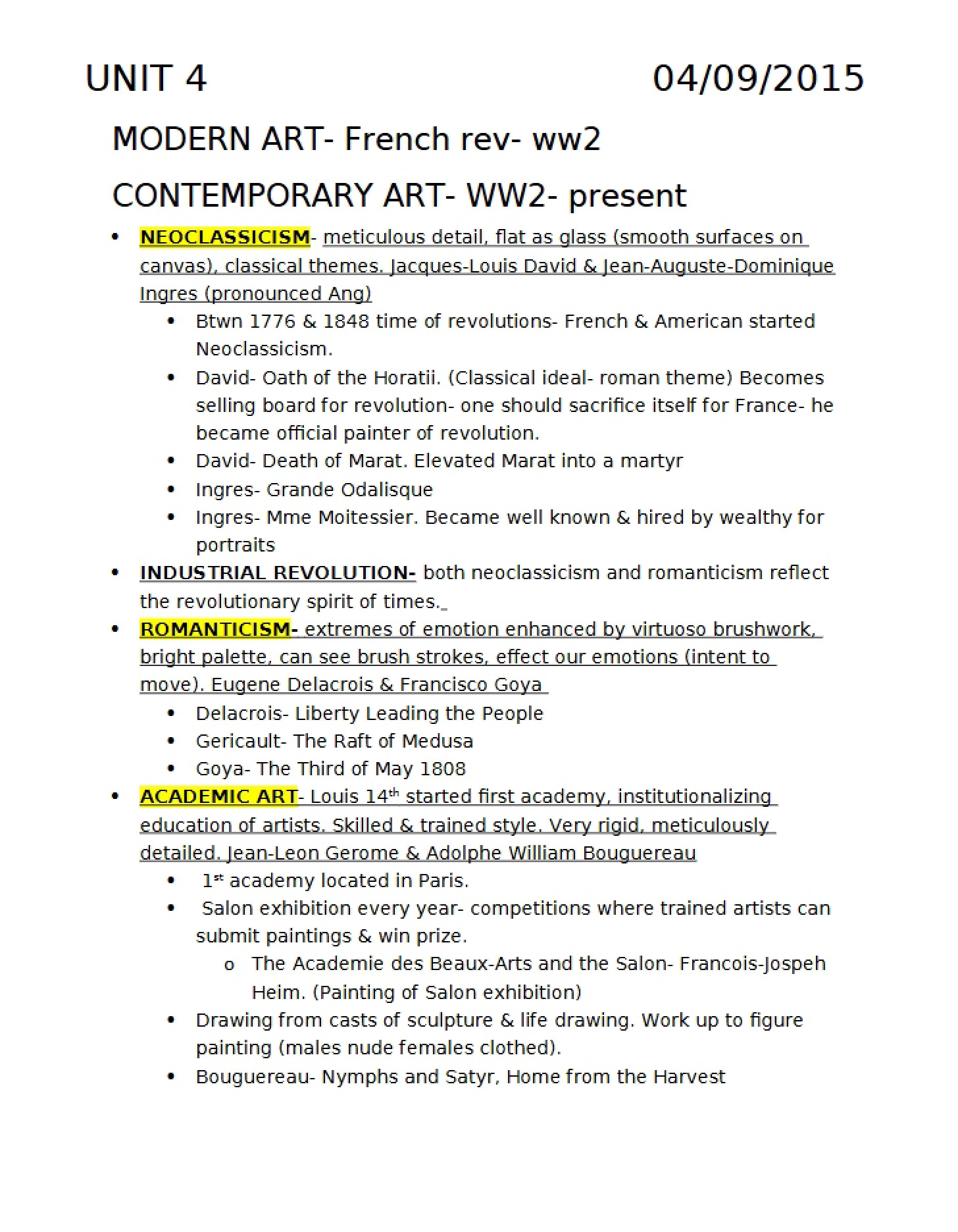
* Key artists and their contributions during the period.
* Important artistic techniques and their application.
* Contextual information regarding the cultural and political environments influencing art production.
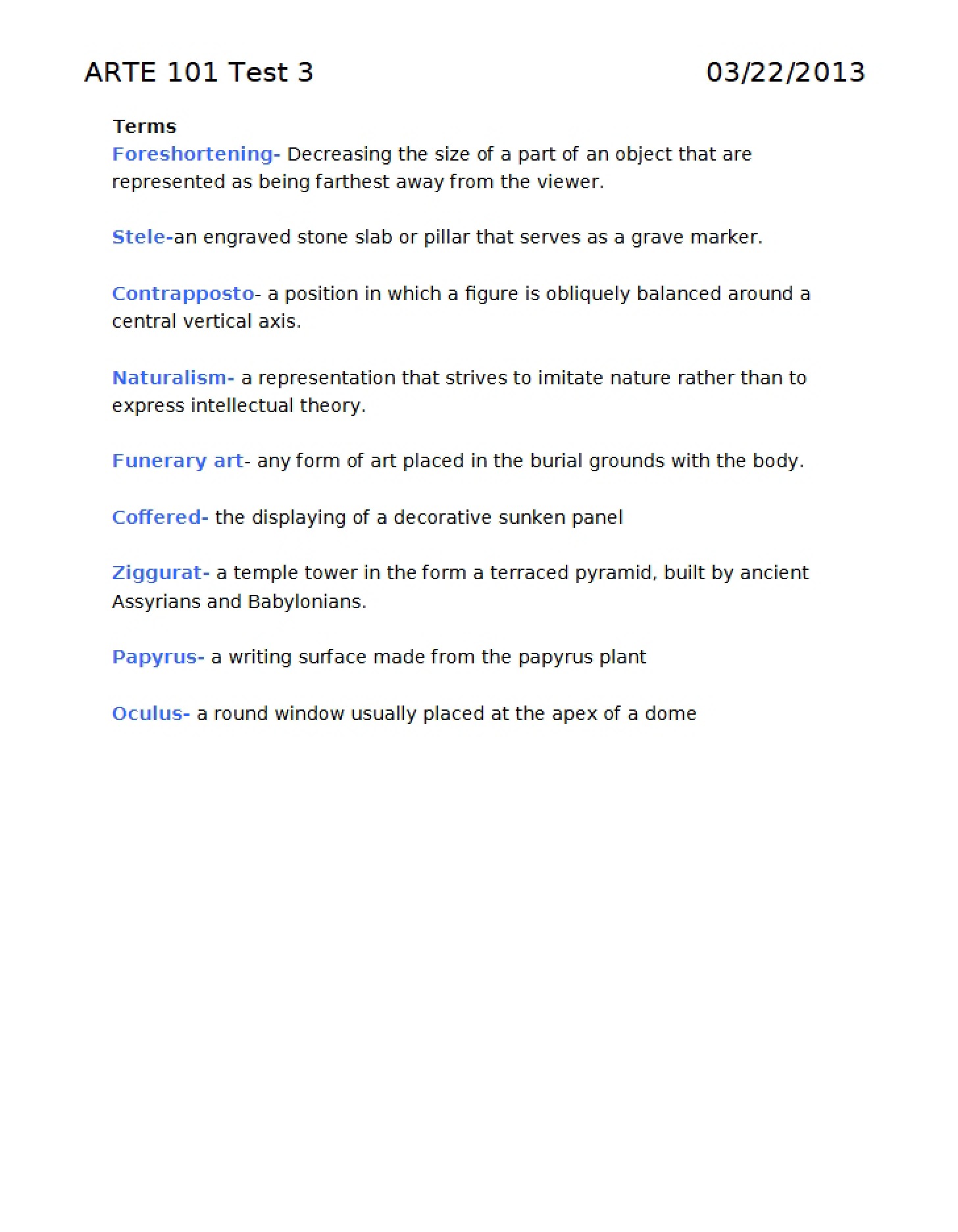
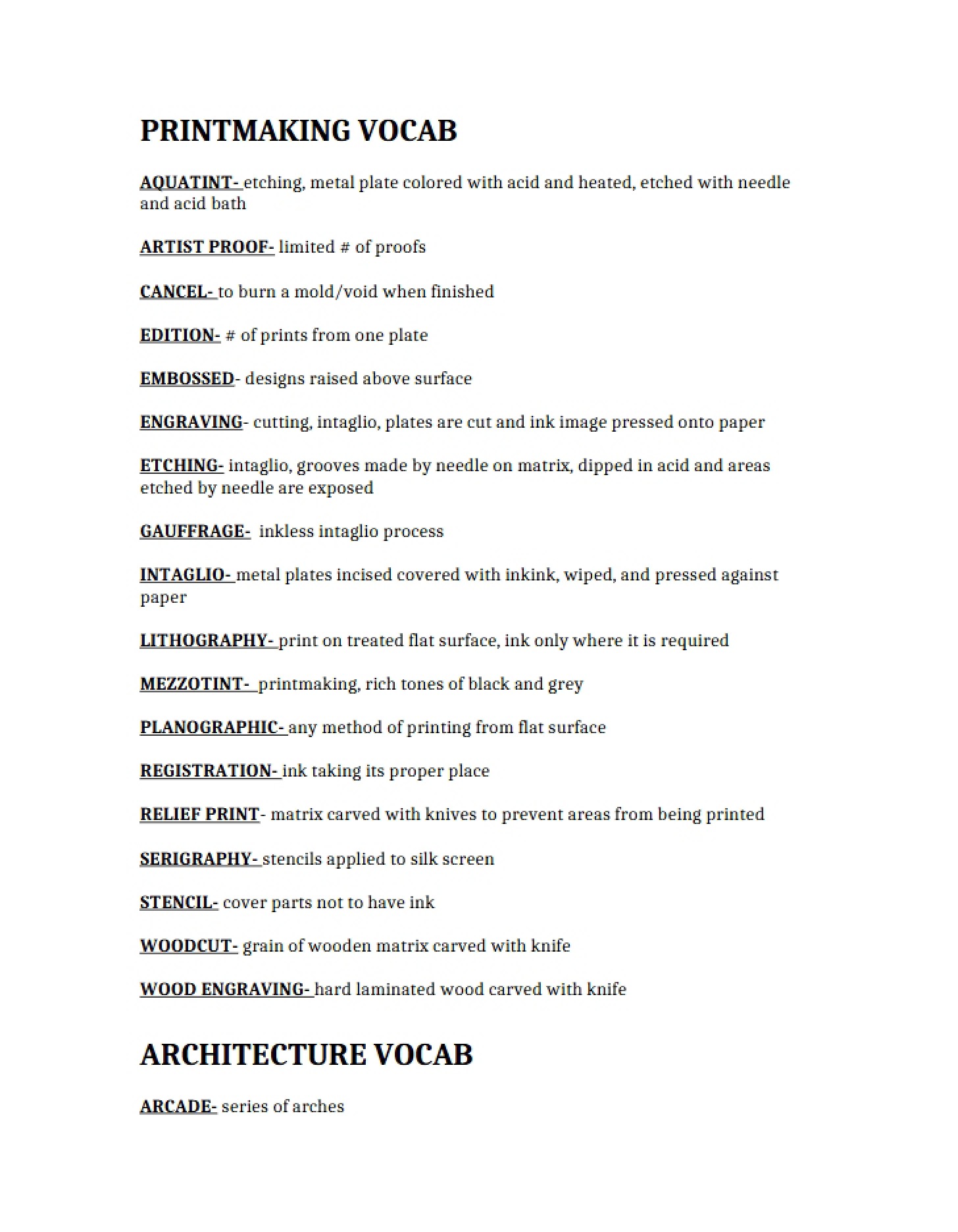
* Definitions of essential art historical terms.
* Connections between artistic developments and broader historical trends.
* Focus on artistic centers like Florence, Padua, Siena, and Venice.
* Overview of significant innovations in artistic media, such as fresco and printmaking.