What This Document Is
This document is a comprehensive assessment for Physical Geology (GY 111) at the University of South Alabama, specifically designed as Test Number One for an Autumn 2001 course. It’s a robust examination covering foundational concepts within the field of geology, intended to evaluate a student’s understanding of core principles. The test format is multi-faceted, incorporating a variety of question types to assess different levels of comprehension.
Why This Document Matters
This resource is invaluable for students currently enrolled in or preparing for a Physical Geology course. It’s particularly useful for self-assessment, identifying knowledge gaps, and understanding the typical scope and format of exams in this subject. Students who utilize this type of practice material can improve their test-taking strategies and solidify their grasp of key geological concepts *before* facing a graded assessment. It’s also helpful for instructors looking for examples of assessment questions.
Common Limitations or Challenges
Please note that this document represents a *single* exam from a specific course iteration. While it covers fundamental geological principles, it may not encompass the entirety of a course’s curriculum. Furthermore, this preview does not reveal the specific questions or answers contained within the test itself – access is required to view the full content. It is designed to give you an overview of the *types* of questions asked, not the questions themselves.
What This Document Provides
* A diverse range of question formats, including multiple choice, fill-in-the-blank, short answer, and essay questions.
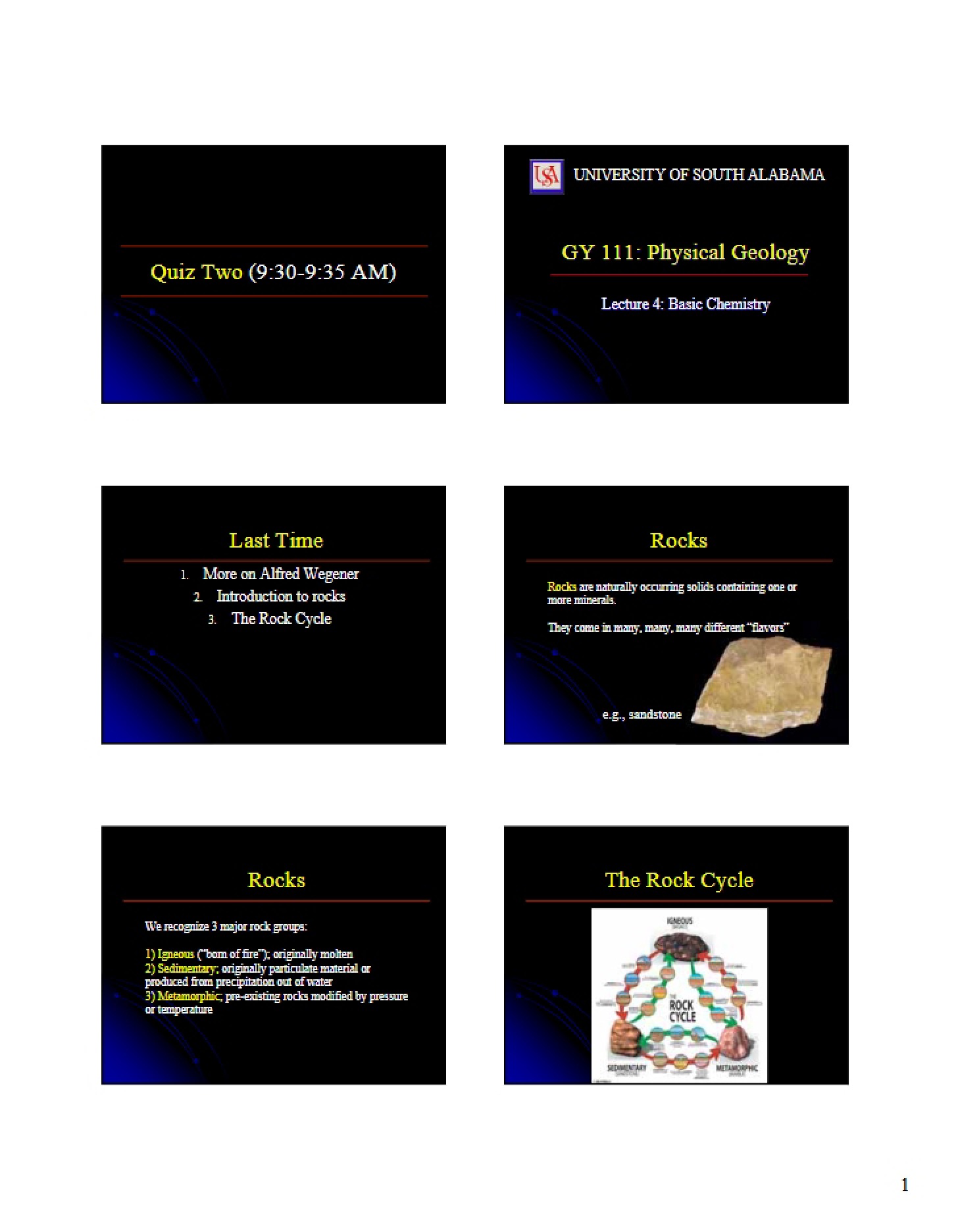
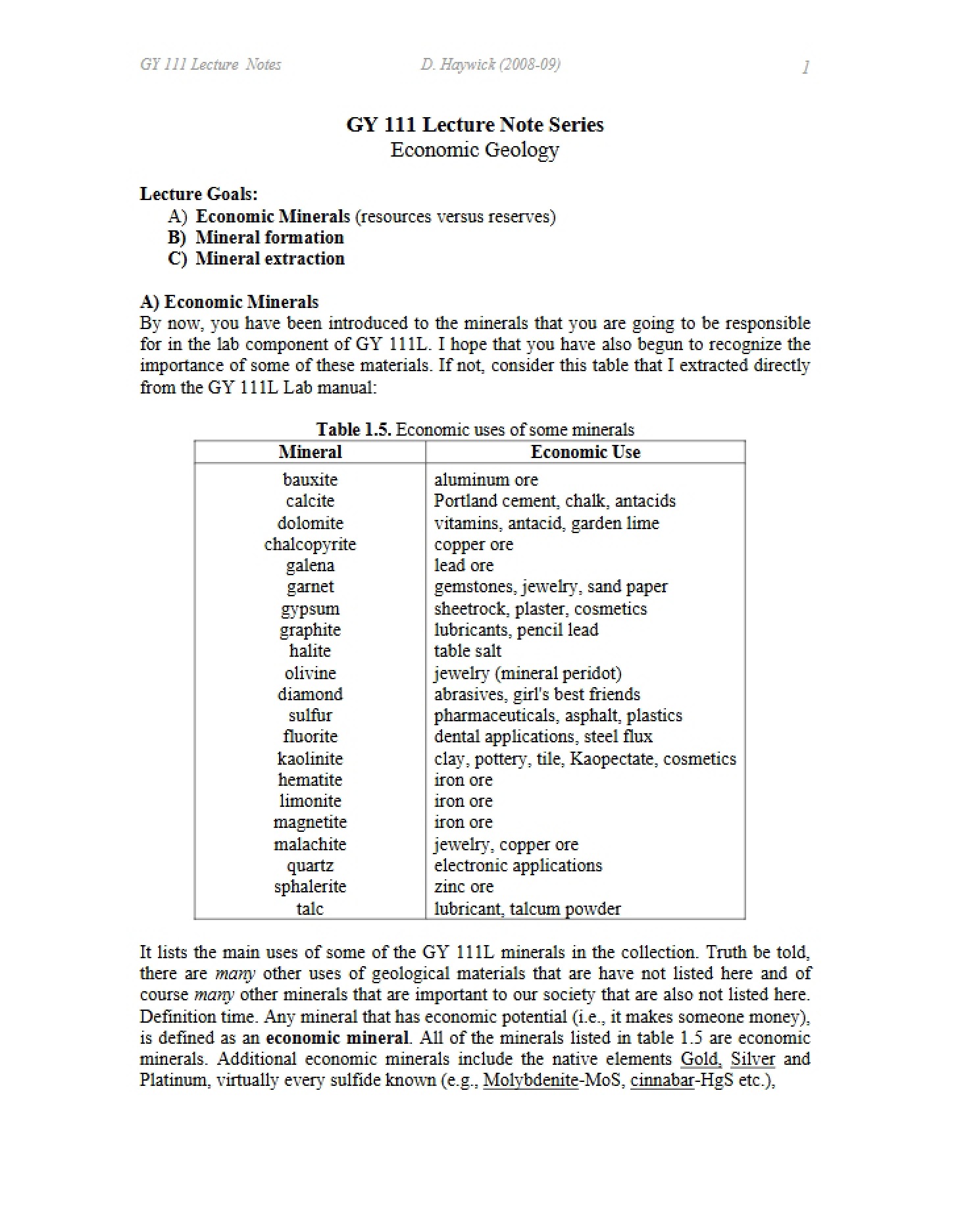
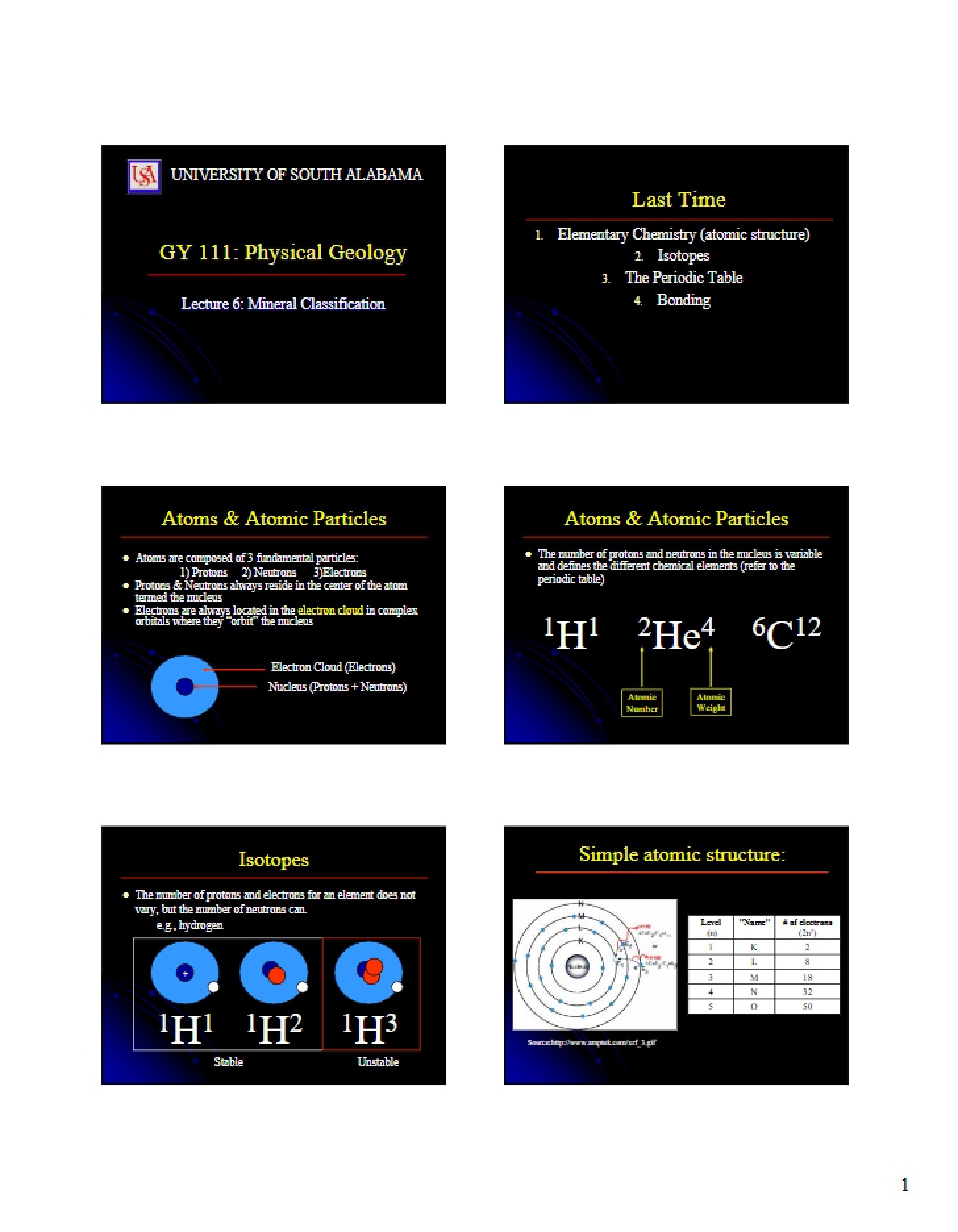
* Coverage of key geological topics such as seismic waves, mineral formation, Earth’s layers, the rock cycle, chemical bonding, volcanic activity, and igneous rock types.
* An indication of the point value assigned to different sections of the exam, allowing for strategic test-taking.
* A bonus question to assess understanding of a specific volcanic process.
* Definitions of key geological terms and concepts.
* An opportunity to practice applying geological knowledge to explain complex processes and relationships.