What This Document Is
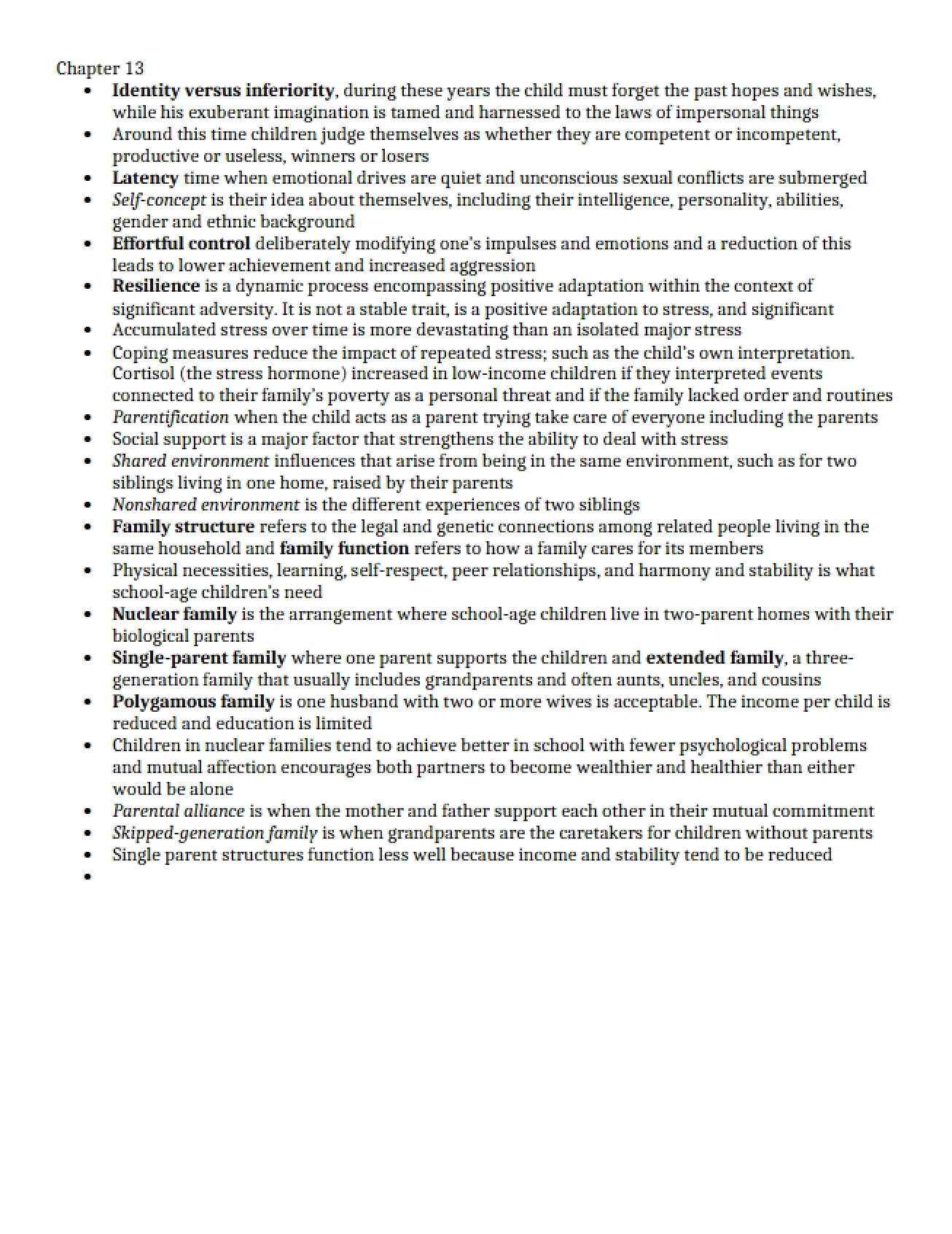
These are textbook notes covering material from Chapter 13 of a Developmental Psychology (PSYC 220) course at Binghamton University. The notes focus on biological aging processes that begin in early adulthood, physical changes occurring during this life stage, reproductive capacity, health and fitness considerations, and shifts in cognitive development—specifically, the progression beyond Piaget’s formal operational stage into postformal thought and epistemic cognition.
Why This Document Matters
This study guide is intended for students enrolled in PSYC 220 who are preparing for exams or seeking to review key concepts related to the physical and cognitive changes experienced during early adulthood. It’s most useful when used *in conjunction with* the textbook and lecture materials, serving as a condensed reference point for important topics. It helps bridge the gap between detailed textbook explanations and efficient study sessions.
Common Limitations or Challenges
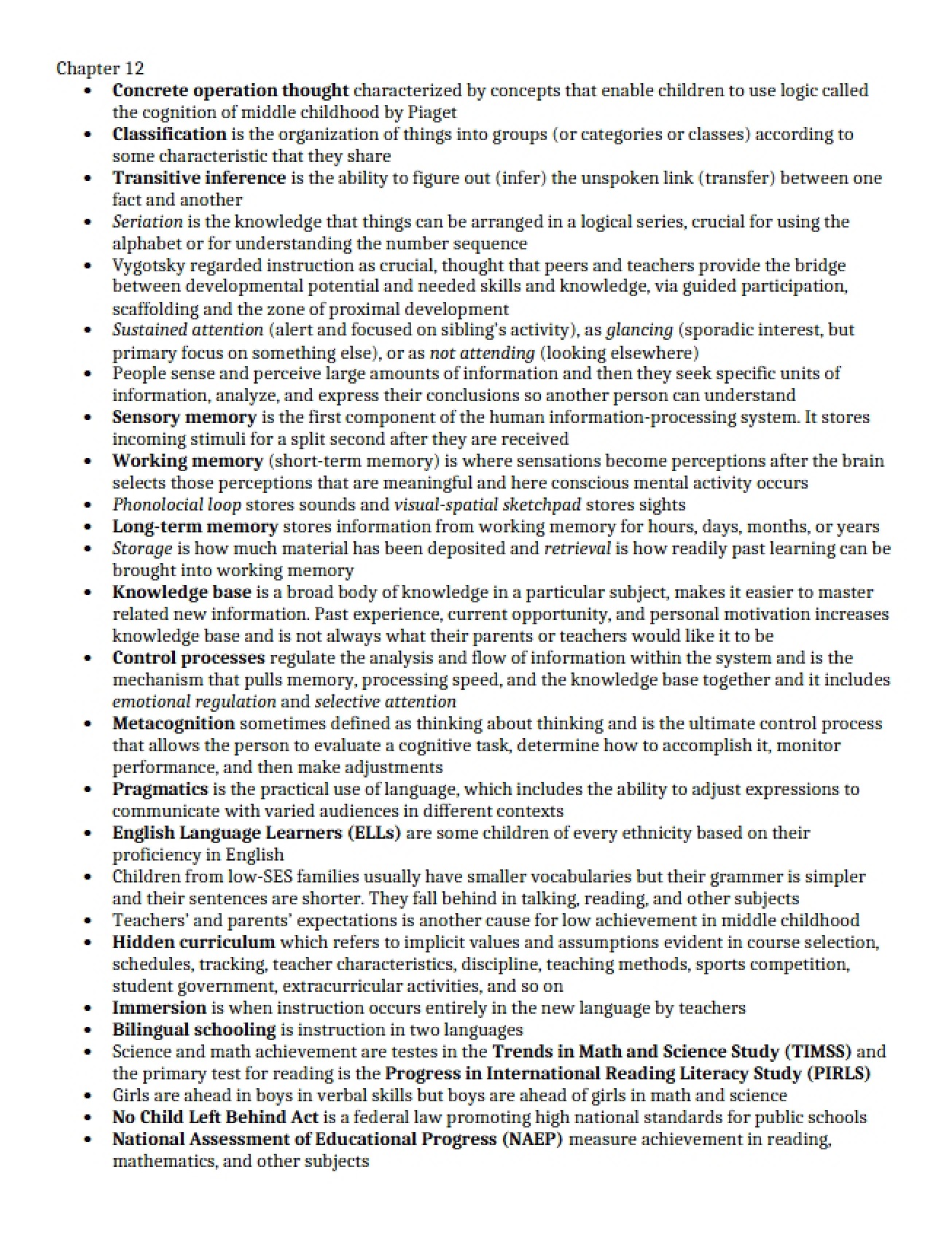
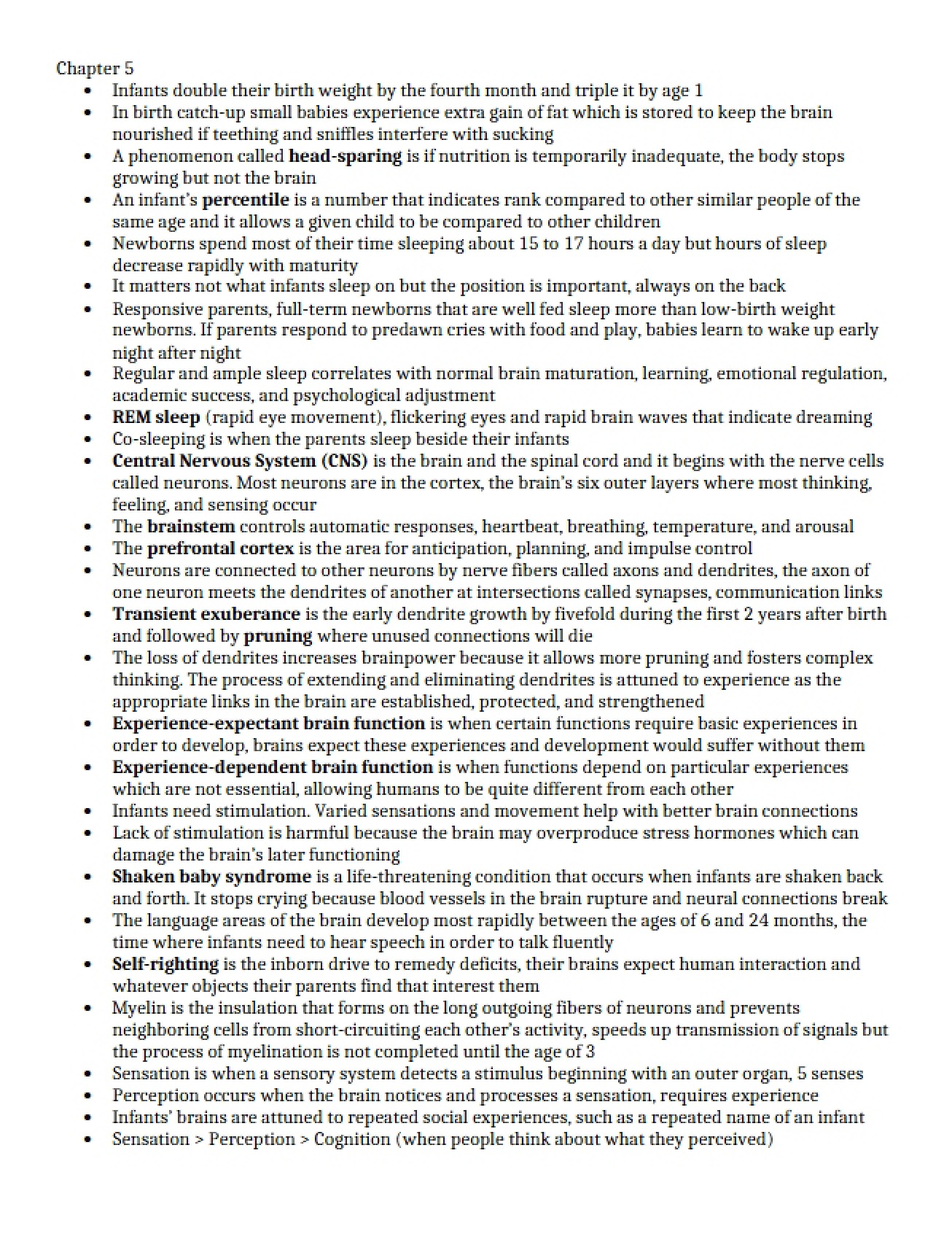
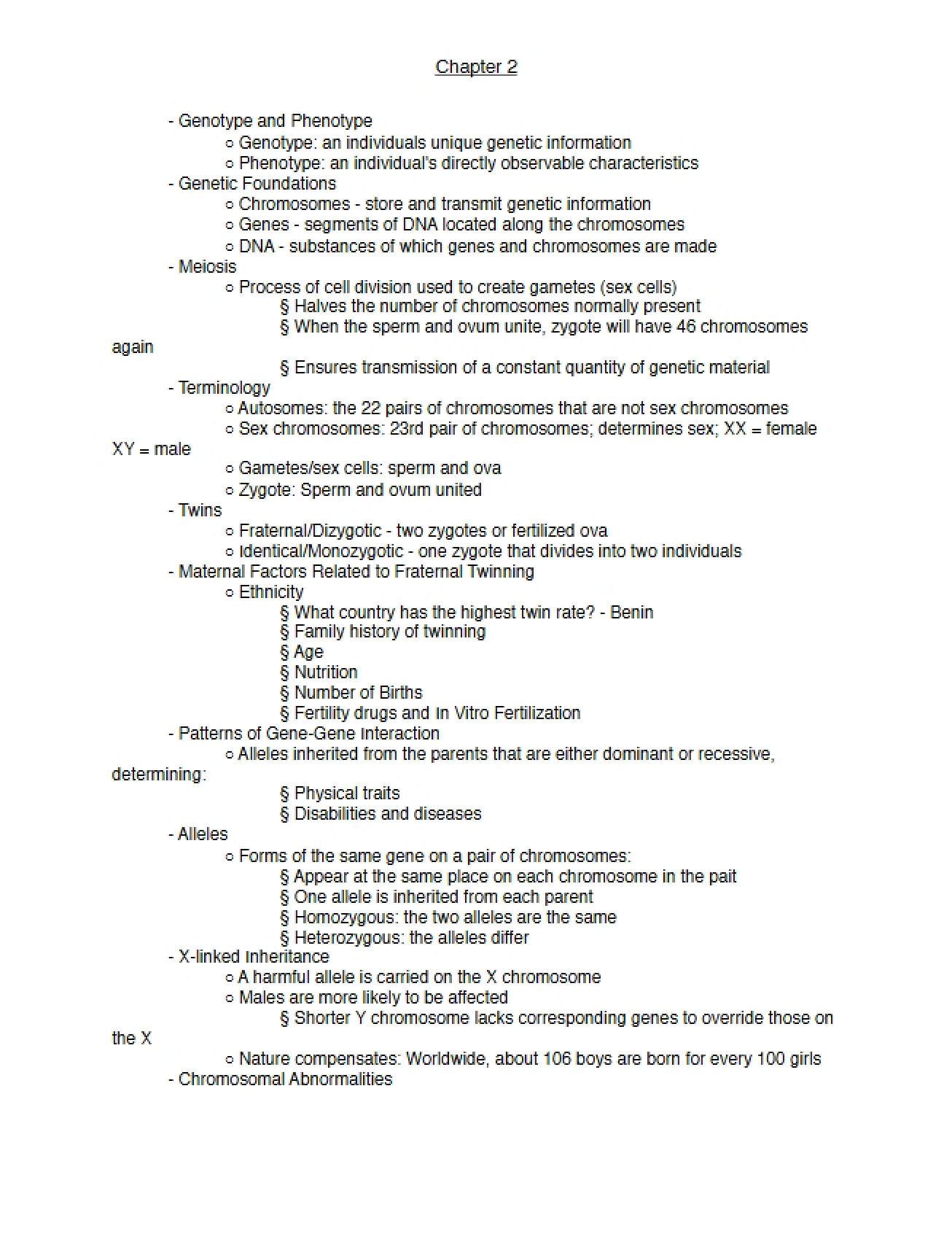
These notes are a *summary* and do not replace the need to engage with the full textbook chapter and course lectures. They provide an overview but lack the depth of explanation, supporting research, and illustrative examples found in the original source. This preview does not offer complete coverage of all topics within Chapter 13.
What This Document Provides
The full document includes notes on: biological aging at the DNA and cellular level (including telomeres and free radicals), the cross-linkage theory of aging, changes in cardiovascular and immune system functioning, the decline in female fertility, factors impacting health and fitness (nutrition, substance abuse), and the development of postformal thought, including dualistic and relativistic thinking. This preview only offers a glimpse of these topics; the complete notes provide more detailed information on each.