What This Document Is
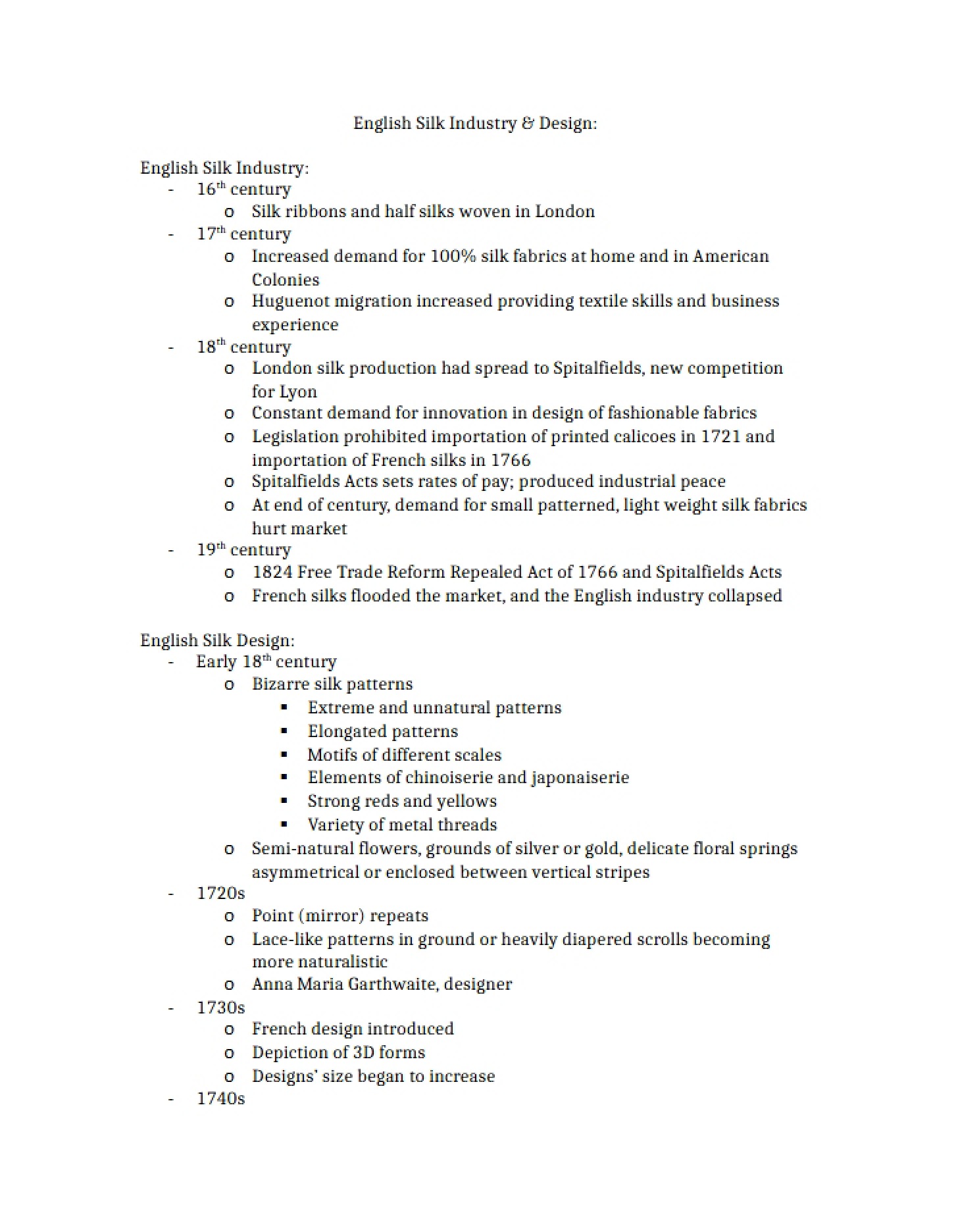
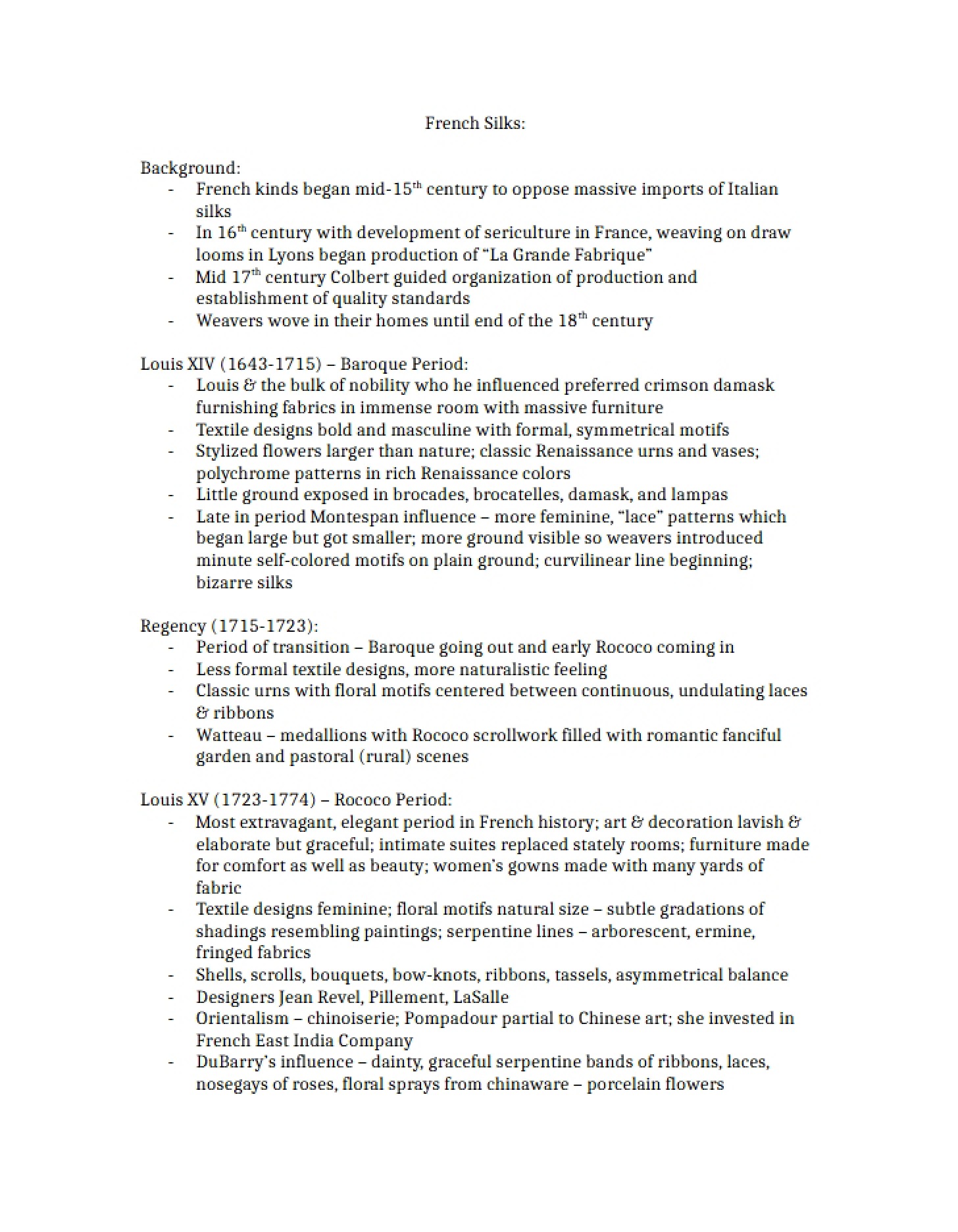
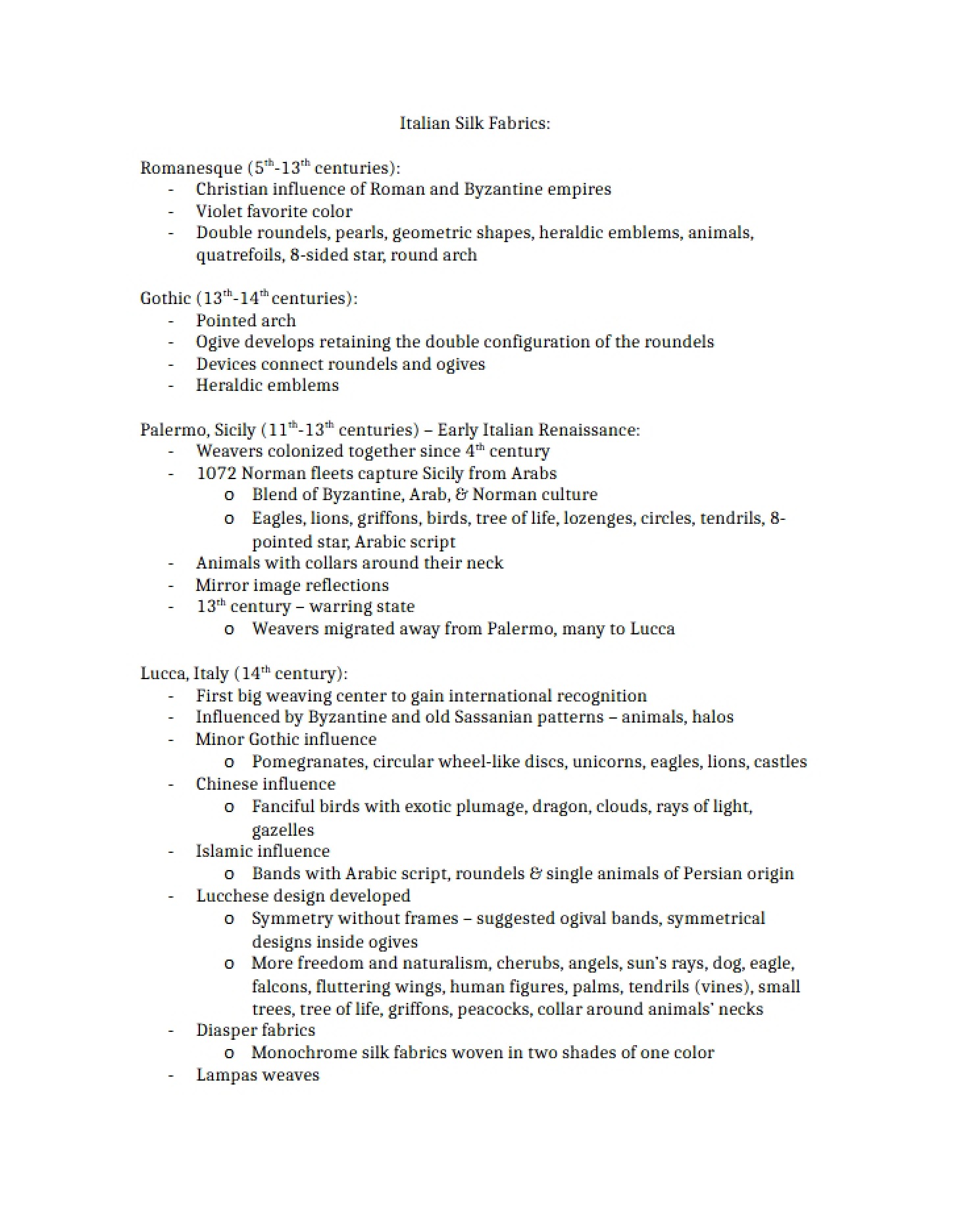
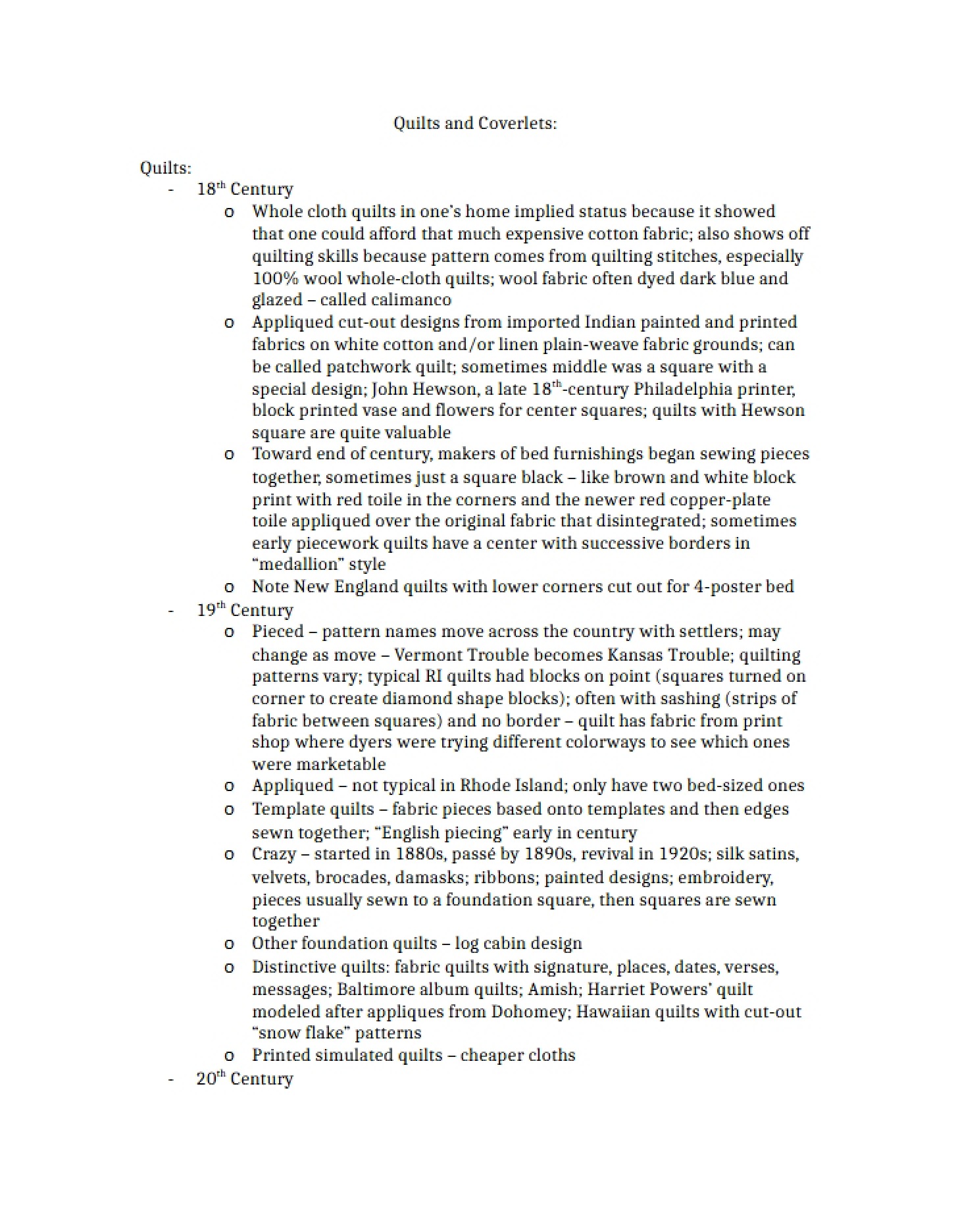
This resource offers detailed notes exploring the evolution of textile design during the early 20th century. It focuses on interior textiles and the broader aesthetic movements influencing their creation and application within domestic spaces. The material delves into the key characteristics of design trends, the roles of prominent designers, and the manufacturing landscape of the period, covering both European and American contributions. It’s a focused look at a pivotal time of transition in textile arts, bridging the gap between historical revivalism and emerging modern styles.
Why This Document Matters
Students enrolled in courses like Historic Textiles, Interior Design History, or Art History will find this material particularly valuable. It’s ideal for supplementing lectures, preparing for research projects, or gaining a deeper understanding of the social and artistic context surrounding early 20th-century design. Anyone interested in the development of modern aesthetics and the interplay between craft, industry, and artistic expression will benefit from exploring the concepts presented. This resource is best utilized when studying the Arts & Crafts movement, Art Nouveau, and the stylistic shifts occurring before and after World War I.
Common Limitations or Challenges
This resource provides a focused overview of textile design; it does not offer comprehensive coverage of all textile production techniques. While it references manufacturing companies, it doesn’t include detailed analyses of specific textile production processes or material science. Furthermore, it concentrates on design *influences* and *characteristics* rather than providing step-by-step guides for replication or creation. It’s a historical analysis, not a practical manual.
What This Document Provides
* An overview of prevailing aesthetic philosophies impacting interior textile choices.
* Discussion of key figures who shaped the field of textile design.
* Examination of stylistic trends, including revivals and emerging aesthetics.
* Insight into the roles of both independent designers and larger manufacturing firms.
* Contextualization of design movements within broader cultural and historical events.
* Identification of influential companies – both in England and the United States – involved in textile production.