What This Document Is
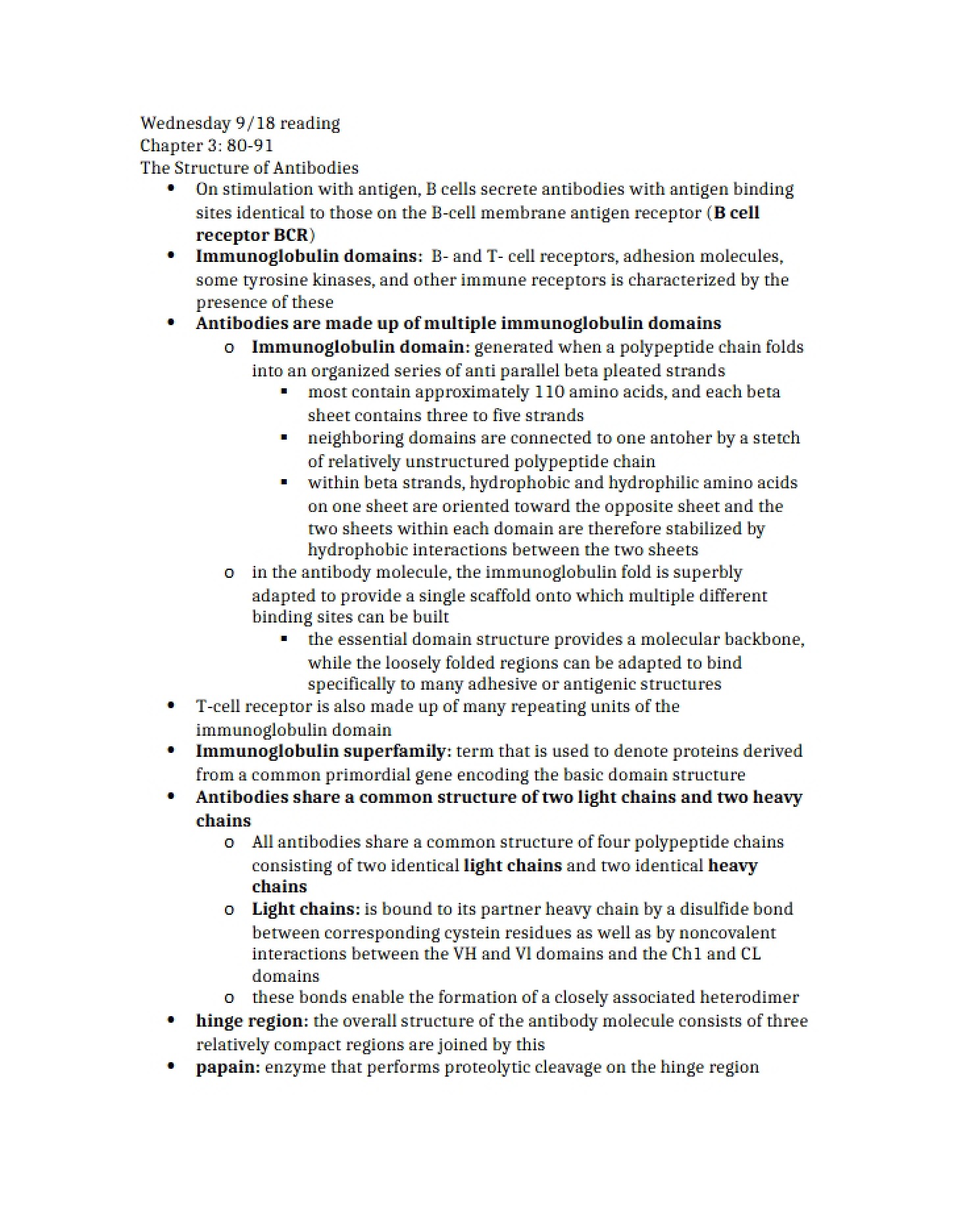
This study guide focuses on the intricate relationship between protein structure and antibody function within the field of Immunology. Specifically, it delves into how the established tiers of polypeptide structure – primary, secondary, tertiary, and quaternary – manifest in antibody molecules and contribute to their diverse roles in the immune system. It’s based on lecture and discussion materials from BIOL 424 at Washington University in St. Louis.
Why This Document Matters
This resource is invaluable for students in advanced immunology courses seeking a deeper understanding of antibody architecture. It’s particularly helpful when studying the functional implications of antibody structure, preparing for exams that require detailed knowledge of protein folding, or needing to solidify comprehension of immunoglobulin domains and their roles. Students who struggle with visualizing how molecular structure dictates biological activity will find this guide especially beneficial. It’s best used *after* initial lectures on protein structure and antibody basics, as a tool for reinforcing and expanding upon core concepts.
Common Limitations or Challenges
This guide does not provide a comprehensive overview of the entire immune system. It concentrates specifically on the structural aspects of antibodies and their connection to function. It will not cover immune cell signaling pathways, disease mechanisms, or experimental techniques used to study antibodies. Furthermore, it doesn’t offer practice problems or direct answers to specific assignment questions – it’s designed to enhance understanding, not to replace active learning.
What This Document Provides
* Detailed exploration of how different levels of protein structure (primary, secondary, tertiary, quaternary) apply to antibody molecules.
* Discussion of the key structural components of antibodies, including variable and constant regions, and immunoglobulin folds.
* Analysis of the role of specific amino acid arrangements, like complementarity determining regions (CDRs), in antigen binding.
* Examination of the structural differences between light and heavy chains and how these differences contribute to antibody diversity.
* Insight into the relationship between antibody structure and effector functions, such as opsonization and complement activation.