What This Document Is
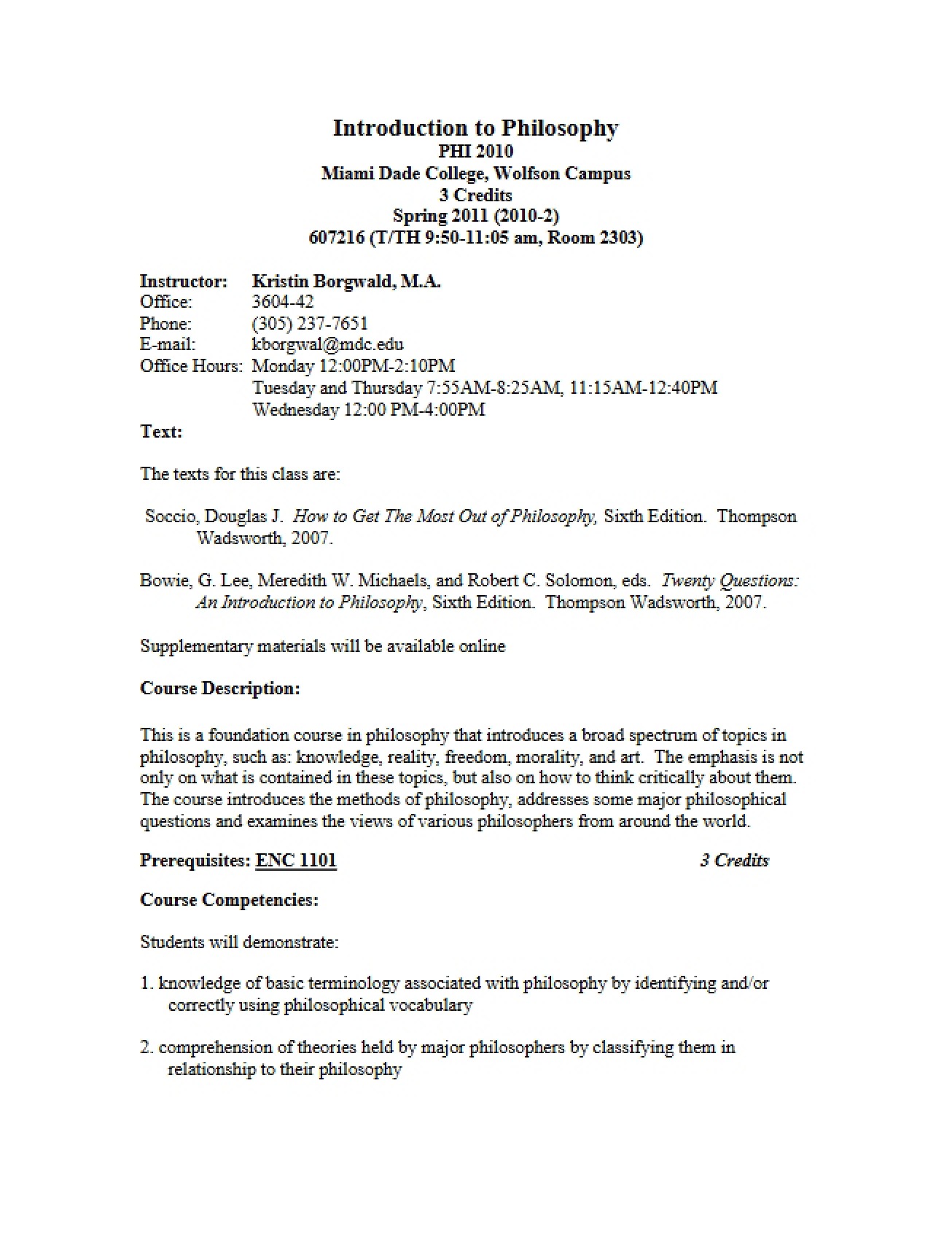
This document provides an overview of the eight core branches of philosophy: Metaphysics, Epistemology, Religion, Ethics, Aesthetics, Politics, Science, and Logic. It’s a foundational survey, outlining the central questions and areas of inquiry within each branch. The document touches upon historical perspectives – like the early Milesians – and introduces key concepts like rationalism, empiricism, and different political ideologies.
Why This Document Matters
This document is valuable for students beginning their study of philosophy, particularly within an introductory course like PHI 2010 at Miami Dade College. It serves as a roadmap to the field, helping learners understand the scope of philosophical thought and how different areas relate to one another. It’s useful for anyone seeking a broad understanding of the fundamental questions that have shaped Western thought. This overview is often used at the start of a course to establish a shared vocabulary and conceptual framework.
Common Limitations or Challenges
This document is an introductory overview and does not delve deeply into the complexities of each philosophical branch. It won’t provide in-depth analyses of specific philosophers or arguments. It’s a starting point, not a comprehensive treatise. Users will still need further study and engagement with primary texts to fully grasp these concepts. It does not offer solutions to philosophical problems, but rather outlines the questions themselves.
What This Document Provides
The full document includes:
* A brief explanation of Metaphysics, including historical context (Milesians, Aristotle).
* An overview of Epistemology, contrasting Rationalism and Empiricism.
* A discussion of the philosophical aspects of Religion, including examples of different belief systems.
* An introduction to Ethics and the concept of a code of ethics.
* An exploration of Aesthetics and the perception of beauty.
* A survey of Politics, outlining ideologies like Conservatism, Liberalism, and Marxism.
* A look at the Philosophy of Science and its impact.
* An explanation of Logic, including argument structure (premises, conclusion), deductive and inductive reasoning, and syllogisms.
This preview does *not* include detailed arguments, historical analyses, or extended examples. It does not offer a complete exploration of any single branch of philosophy.