What This Document Is
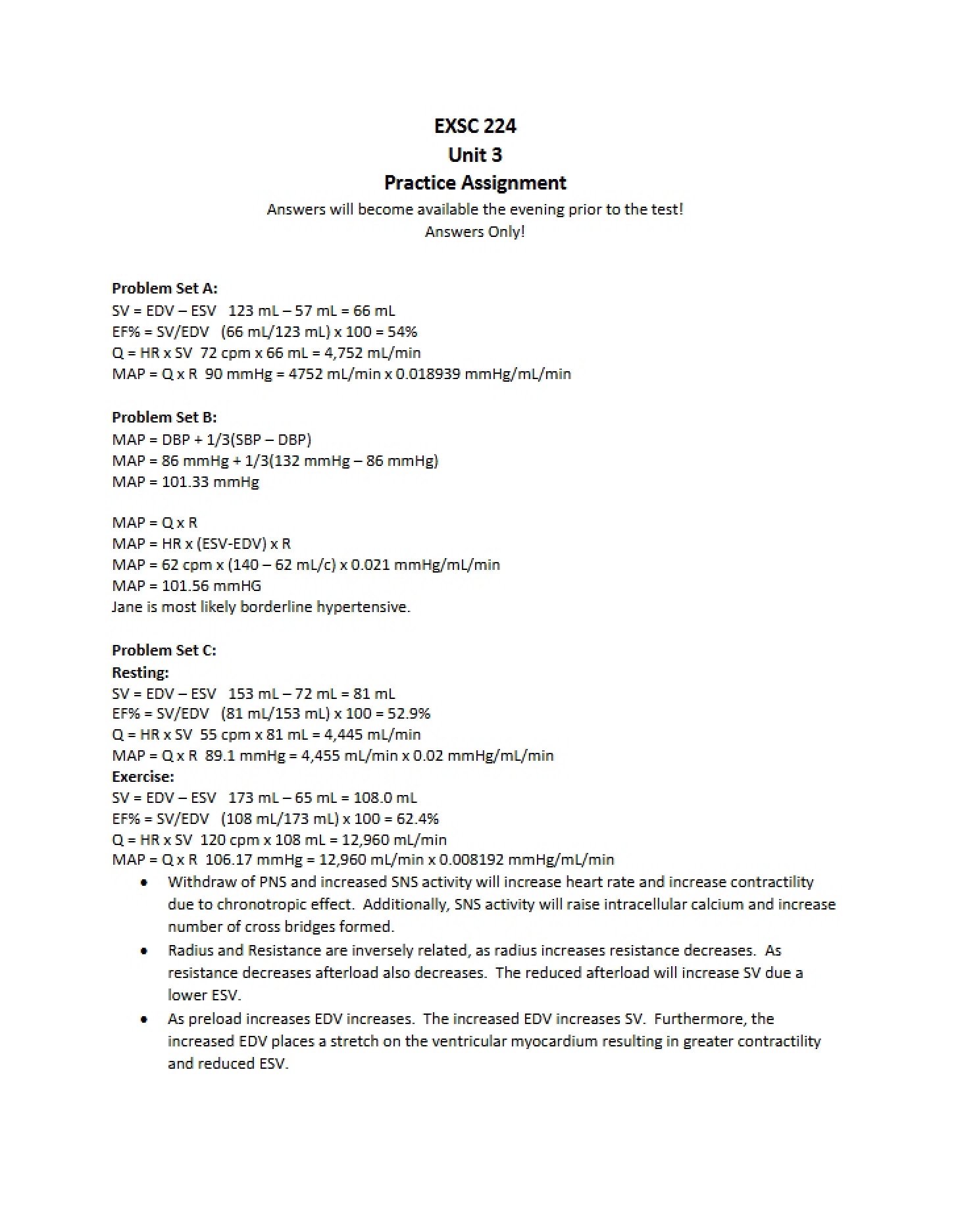
This is a graded assignment for an upper-level Anatomy & Physiology II course (EXSC 224) at the University of South Carolina. It assesses your understanding of cardiovascular physiology, specifically focusing on the interplay between the nervous system, cardiac function, and blood pressure regulation. The assignment requires applying core concepts to practical scenarios involving changes in physiological states – like exercise – and clinical conditions like hypertension. It’s designed to test your ability to connect theoretical knowledge with real-world applications within the human body.
Why This Document Matters
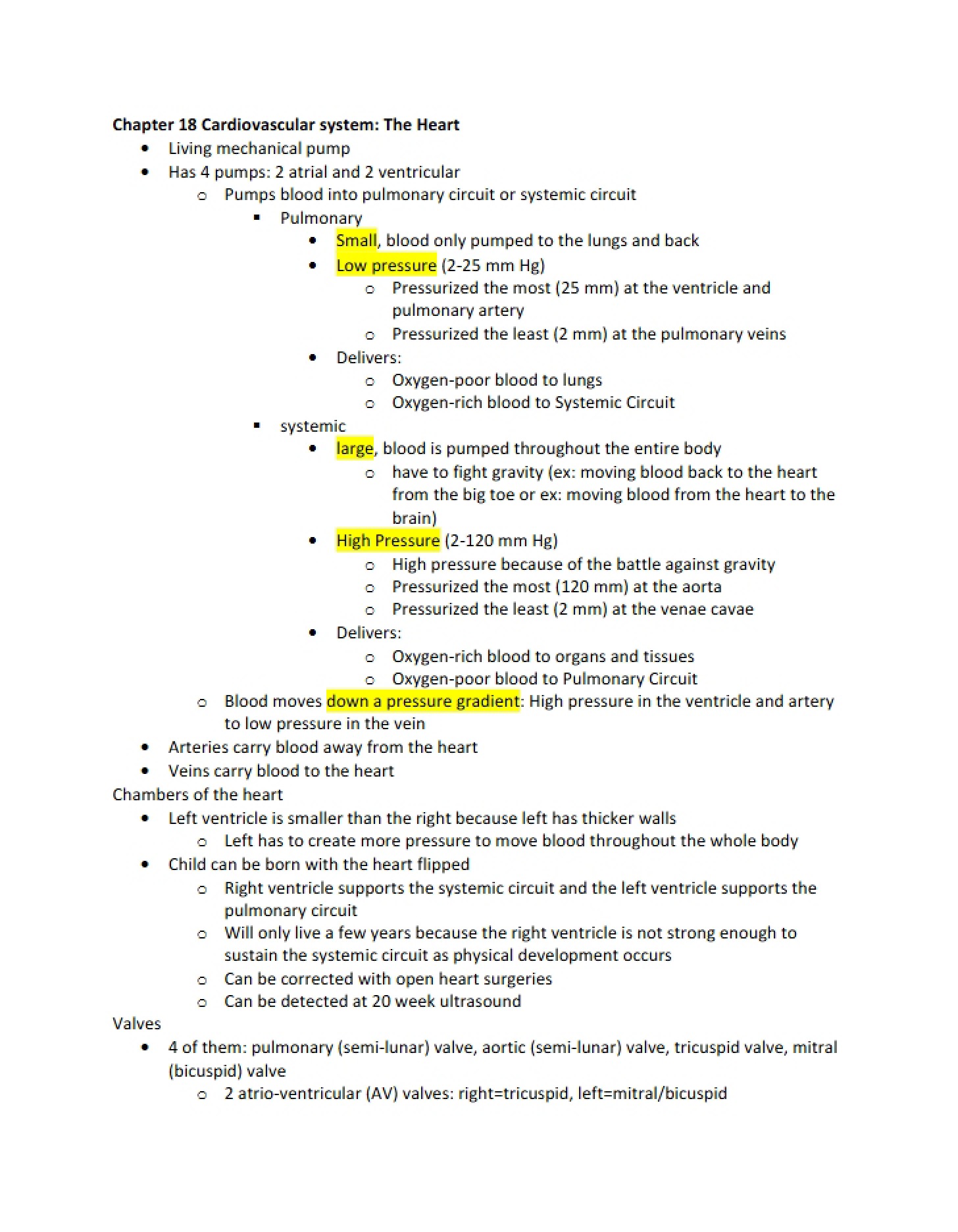
This assignment is crucial for students preparing for careers in exercise science, pre-health professions (like nursing, physical therapy, or medicine), and related fields. A strong grasp of cardiovascular physiology is fundamental to understanding how the body responds to physical stress, disease, and pharmacological interventions. Successfully completing this assignment demonstrates your ability to analyze complex physiological processes and predict outcomes based on established principles. It’s ideal for use when reviewing material covered in lectures and labs related to the autonomic nervous system, cardiac mechanics, and hemodynamics.
Common Limitations or Challenges
This assignment does *not* provide a comprehensive review of all cardiovascular concepts. It assumes you have a foundational understanding of the material presented in the course. It also doesn’t offer step-by-step solutions or detailed explanations of the reasoning behind the answers. The purpose is to evaluate *your* understanding and application of the concepts, not to provide a ready-made answer key. It focuses on specific scenarios and doesn’t cover every possible variation or clinical presentation.
What This Document Provides
* Scenario-based questions requiring application of physiological principles.
* Focus on the autonomic nervous system’s influence on heart rate and blood pressure.
* Exploration of the Frank-Starling mechanism and its impact on cardiac output.
* Analysis of pharmacological interventions used to manage hypertension.
* Consideration of the relationship between vascular resistance and blood pressure regulation.
* Opportunities to demonstrate understanding of key concepts like stroke volume, cardiac output, and mean arterial pressure.