What This Document Is
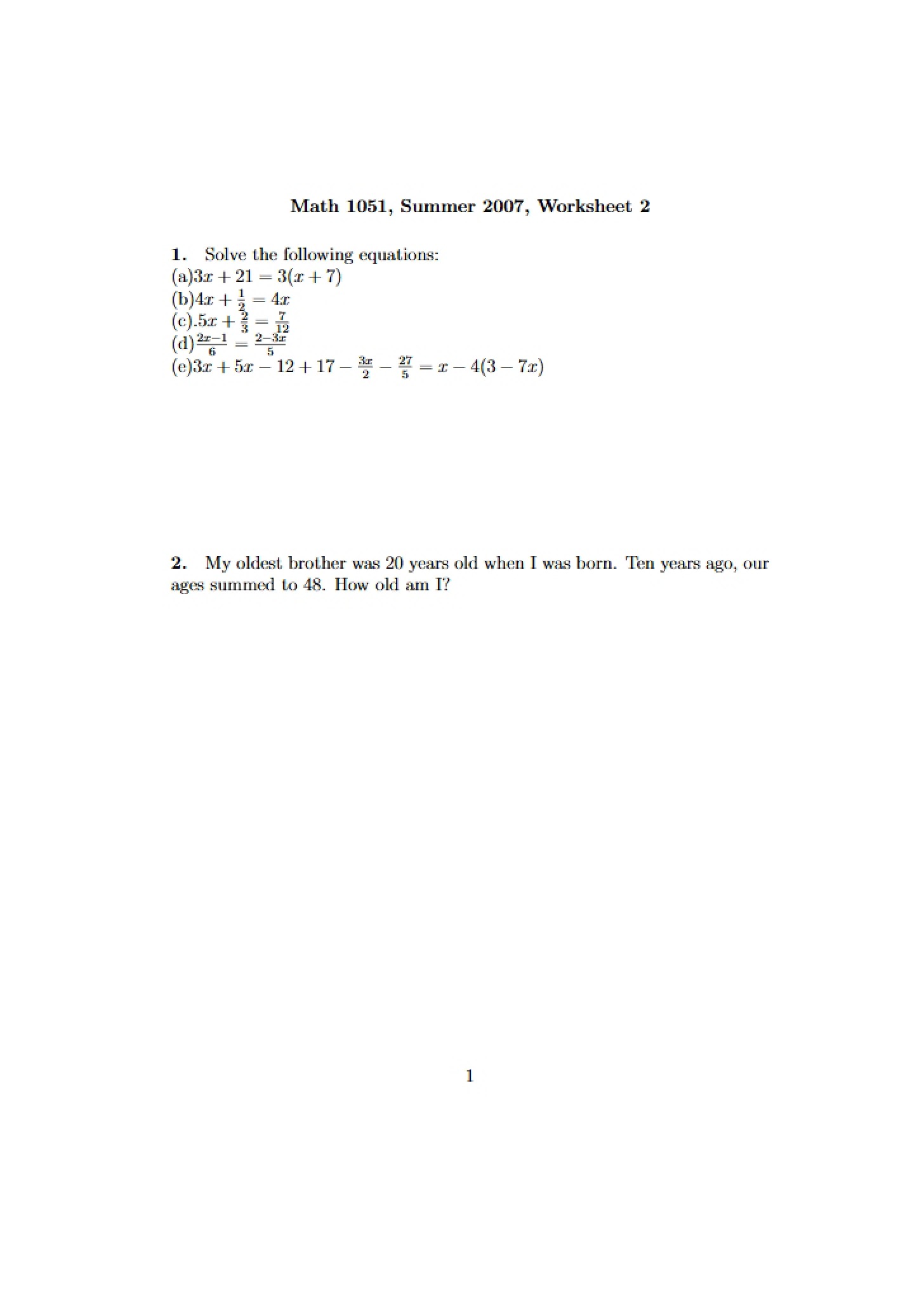
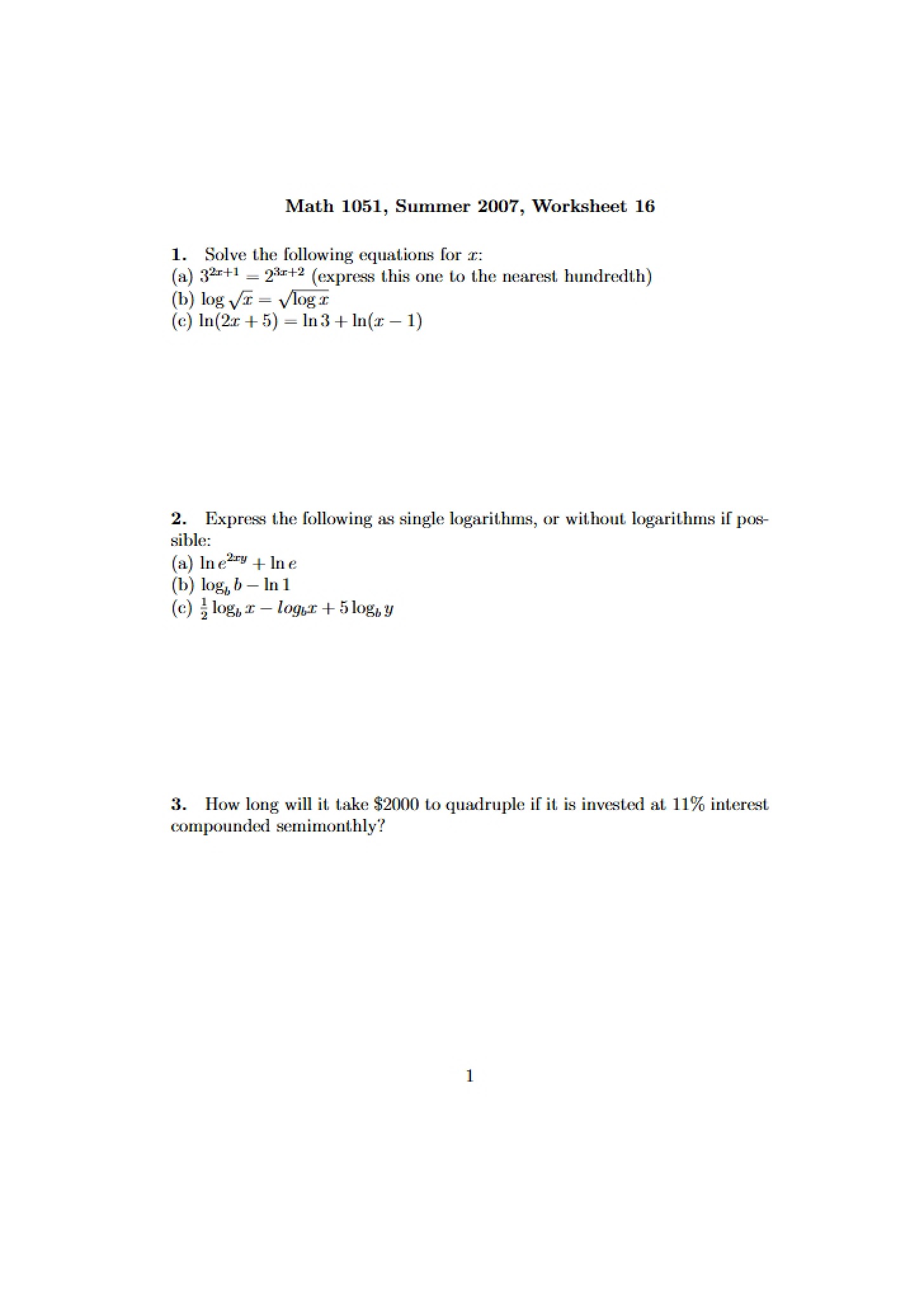
This is a past exam for Math 1051, Precalculus I, administered at the University of Minnesota Twin Cities. It’s designed to assess student understanding of core precalculus concepts covered during the course. The exam focuses on applying mathematical principles to problem-solving, requiring both computational skills and conceptual understanding. It’s a timed assessment, simulating a classroom exam environment.
Why This Document Matters
This resource is invaluable for students currently enrolled in or preparing for a Precalculus I course. It’s particularly helpful for understanding the *types* of questions and the level of difficulty expected on exams. Utilizing past exams is a proven strategy for exam preparation, allowing students to identify knowledge gaps and practice applying concepts under pressure. It’s best used *after* completing coursework on the related topics, as a way to self-test and reinforce learning. Students who are looking to solidify their understanding of precalculus fundamentals will find this particularly useful.
Common Limitations or Challenges
Please be aware that this is a specific exam from a previous semester. While the core concepts tested are likely to be similar, the exact problems and their wording will differ in current assessments. This resource does *not* include detailed explanations of solutions, step-by-step problem solving, or a comprehensive review of all precalculus topics. It is a test instrument, not a teaching tool. Access to the full document is required to view the complete questions and assess your understanding.
What This Document Provides
* A full exam booklet, mirroring the format and structure of an in-course assessment.
* A range of problems covering topics such as exponential and logarithmic functions.
* Questions involving applications of mathematical modeling, including growth and decay scenarios.
* Problems testing understanding of function composition and manipulation.
* Questions related to geometric concepts and equations.
* Problems assessing understanding of direct and inverse variation.
* A clear indication of the point value assigned to each problem, reflecting its relative importance.
* Information regarding exam rules and time constraints.