What This Document Is
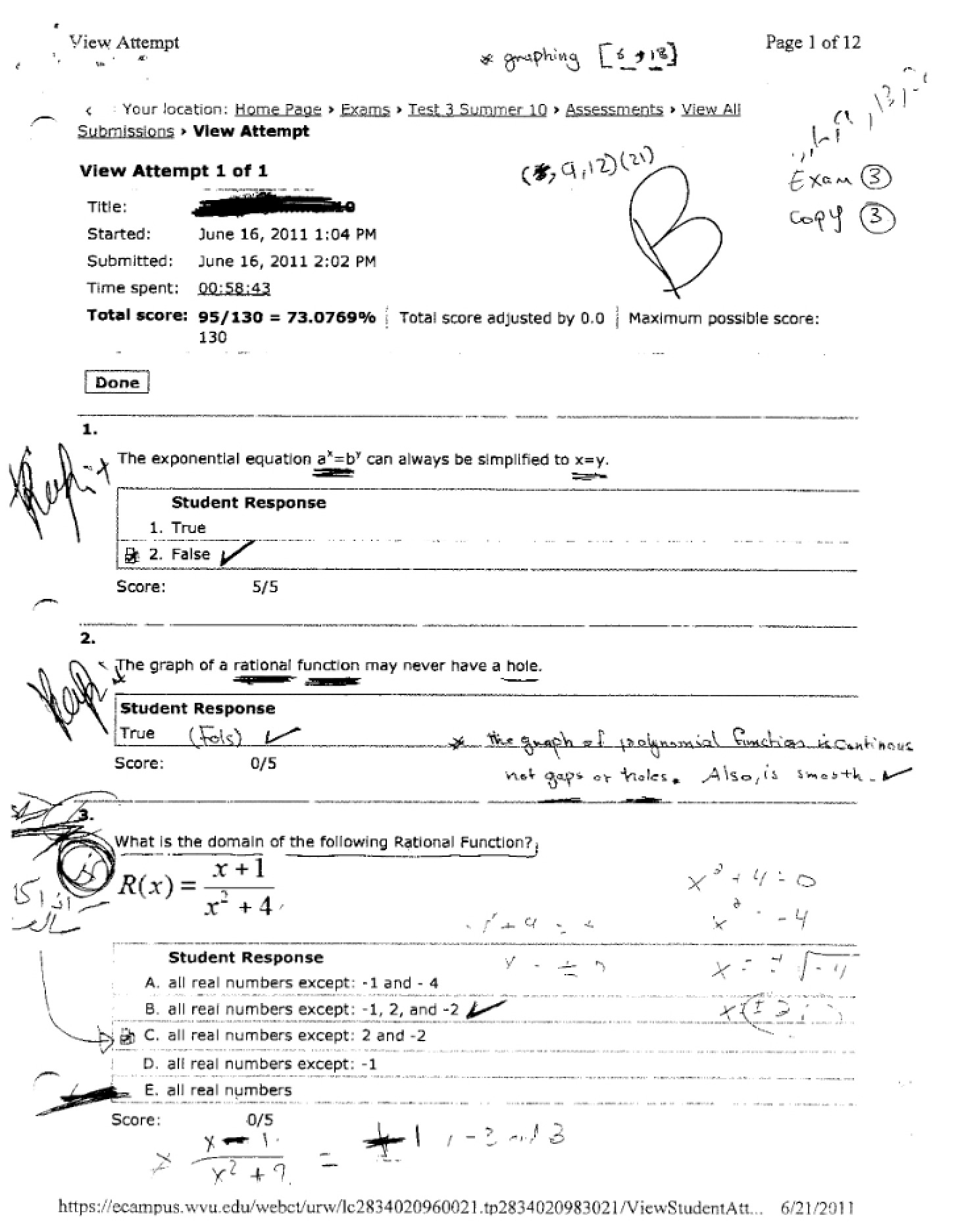
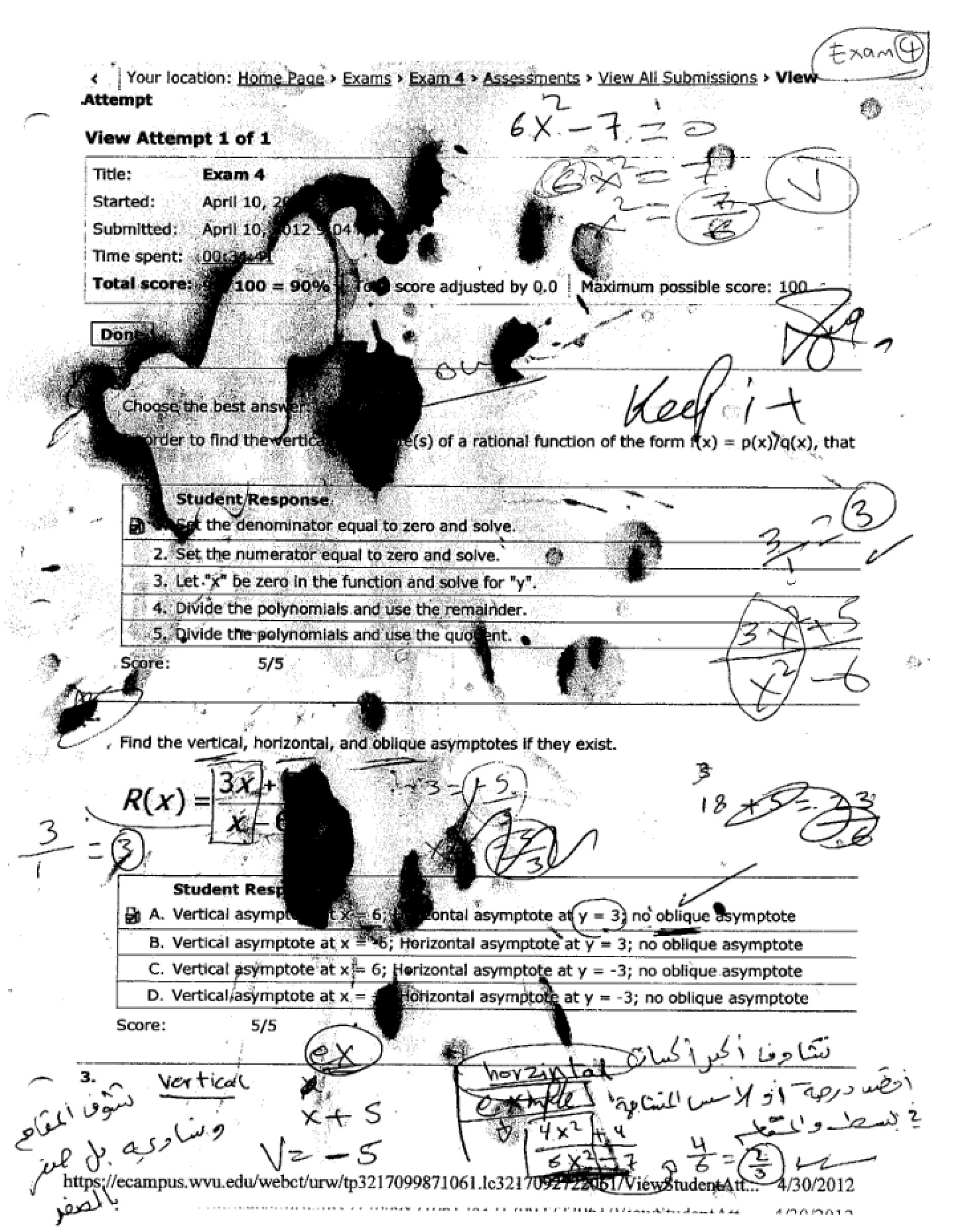
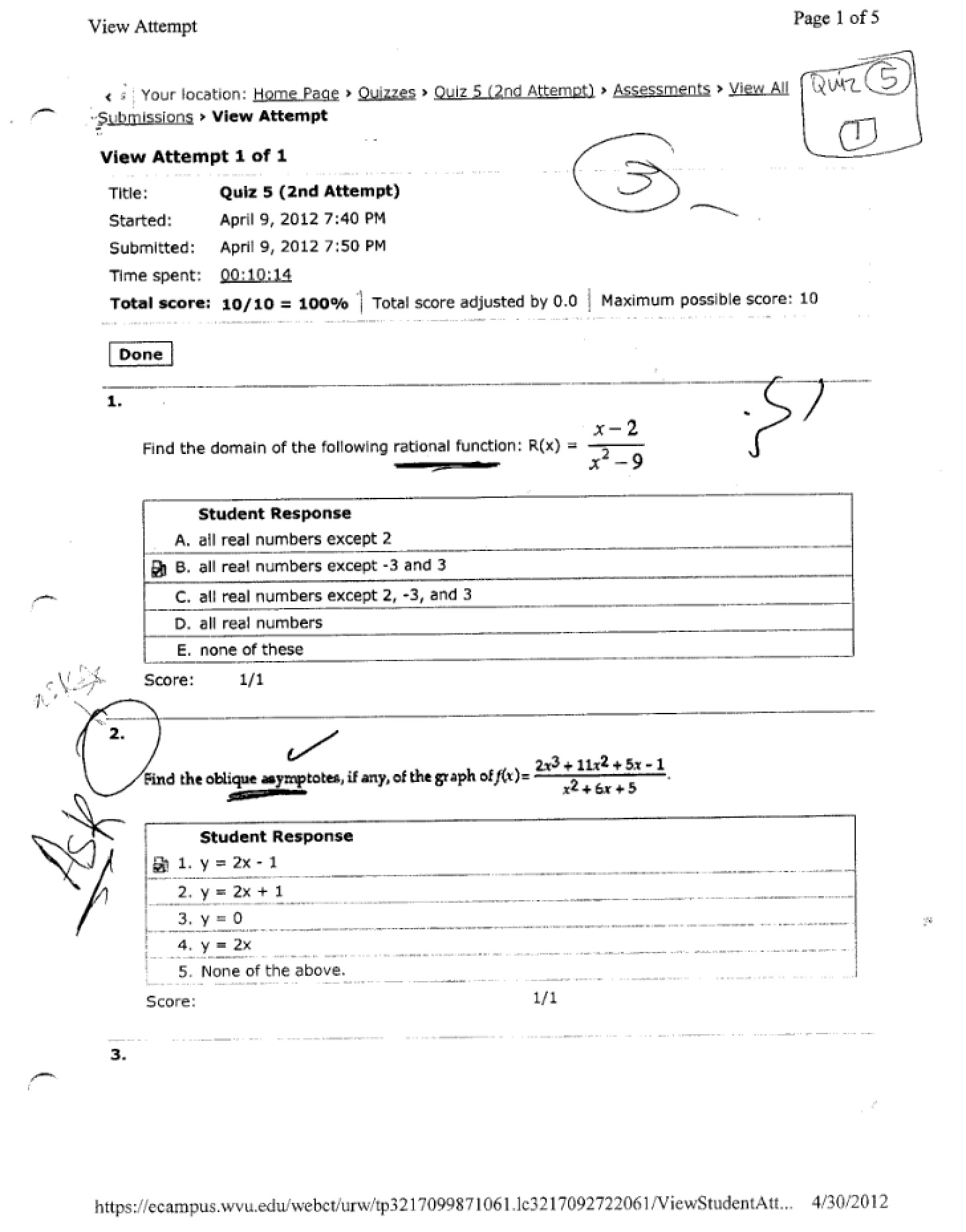
This is a sample exam for MATH 126, College Algebra, offered at West Virginia University. It’s designed to mimic the format, style, and difficulty level of a third exam students in the course may encounter. The document focuses on assessing understanding of core algebraic concepts through a variety of problem types.
Why This Document Matters
This resource is invaluable for students currently enrolled in College Algebra (MATH 126) at West Virginia University. It’s particularly helpful for those looking to proactively prepare for their third exam. Working through similar problems – even without the solutions – can help identify knowledge gaps and build confidence. It’s also useful for understanding the types of questions instructors prioritize and the way concepts are applied in an assessment setting. Utilizing this sample exam as part of a study plan can significantly improve exam performance.
Common Limitations or Challenges
This sample exam is a representative example, but it doesn’t encompass *every* possible topic or question type that could appear on the actual exam. It’s crucial to remember that this is a practice tool, and comprehensive study of all course materials is still necessary. Furthermore, this document does not provide detailed explanations or step-by-step solutions to the problems presented. Access to the full solution set requires a separate purchase.
What This Document Provides
* A variety of question formats, including multiple-choice problems.
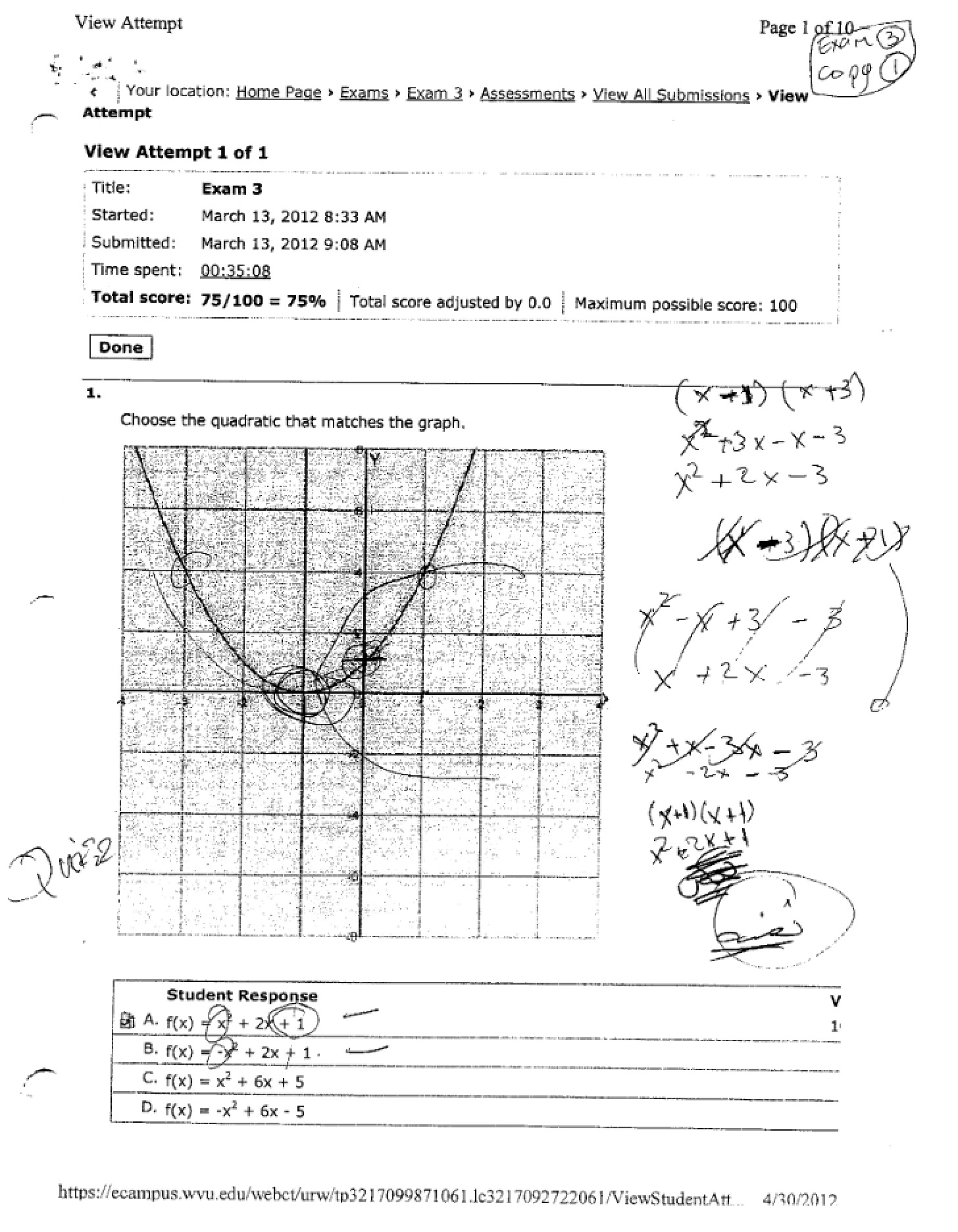
* Problems covering key concepts related to quadratic functions – including graphs, intercepts, and symmetry.
* Application problems involving real-world scenarios, such as optimization (maximizing area).
* Questions focused on algebraic manipulation and simplification of expressions.
* Problems assessing understanding of function transformations (shifts).
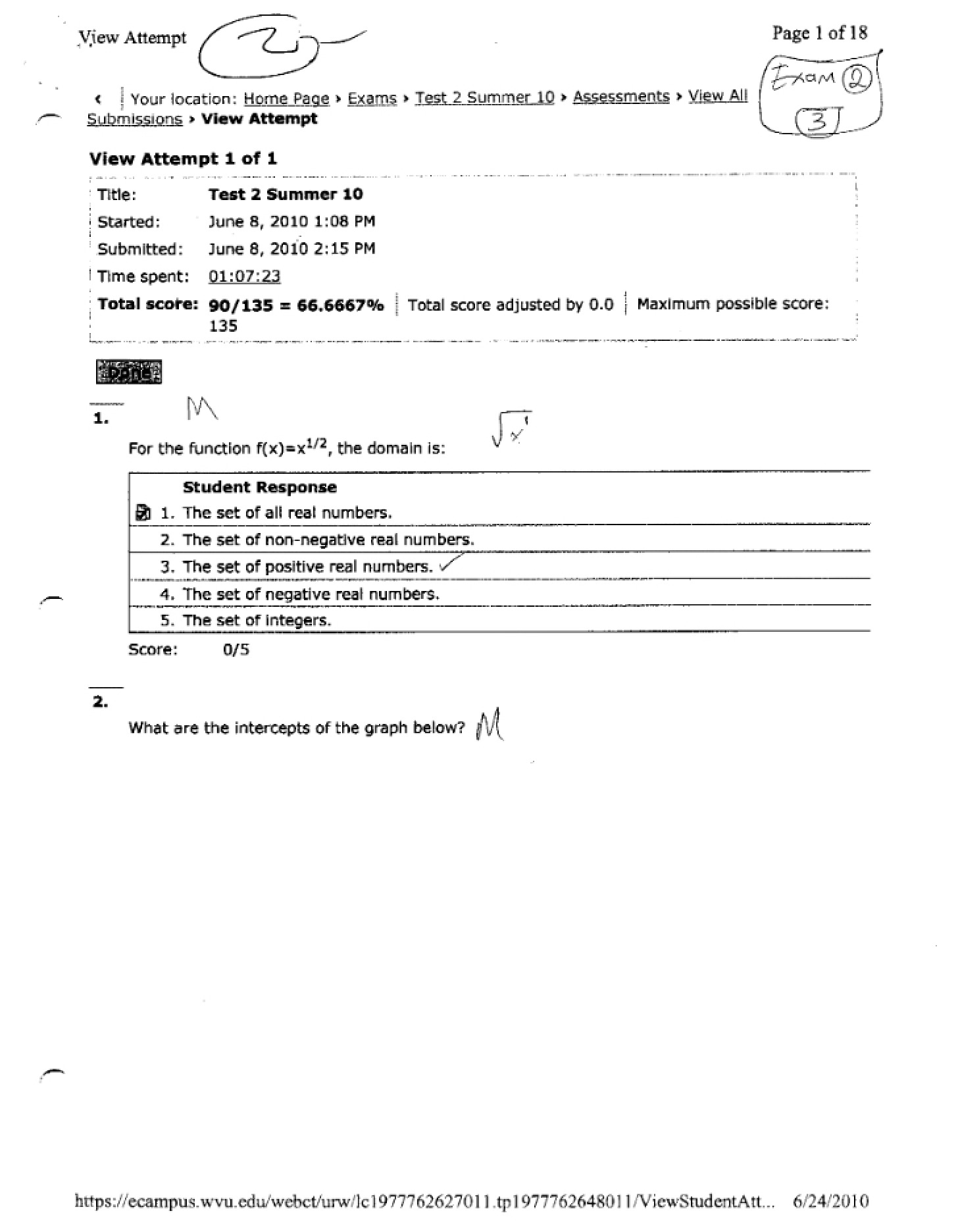
* Questions related to power functions and their properties.
* Problems focused on polynomial functions, including finding zeros and determining multiplicity.
* Questions assessing understanding of x-intercept behavior (crossing vs. touching the x-axis).