What This Document Is
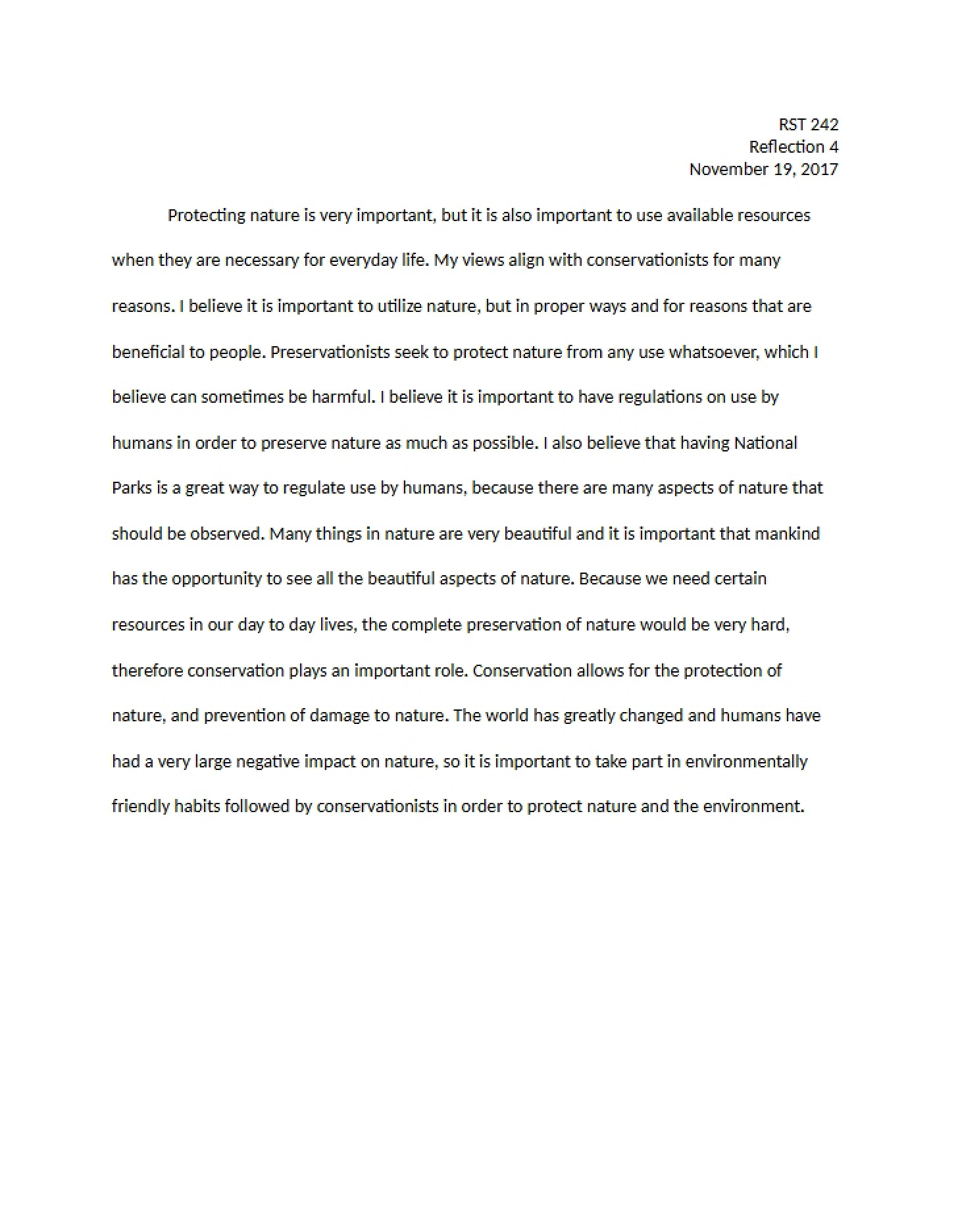
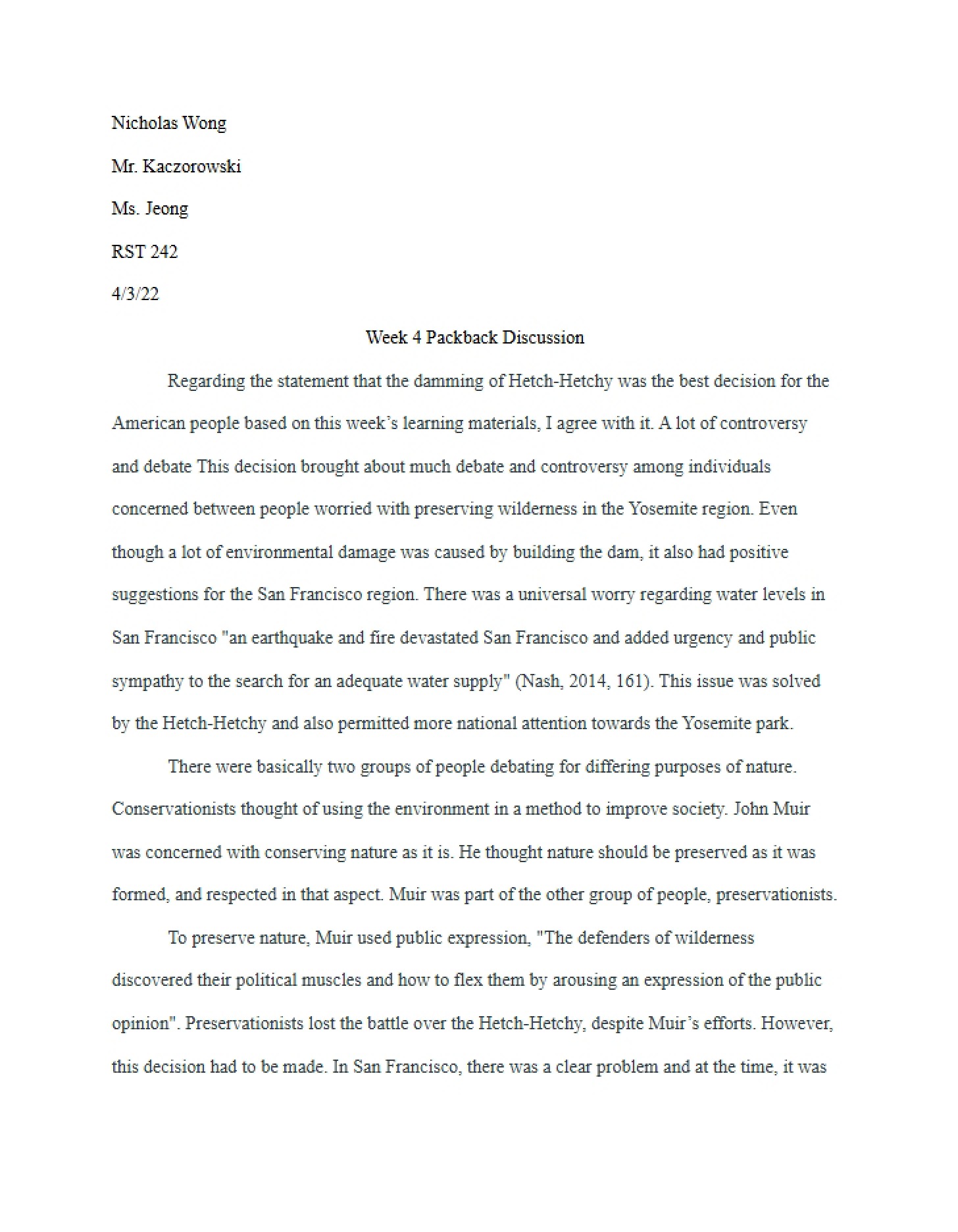
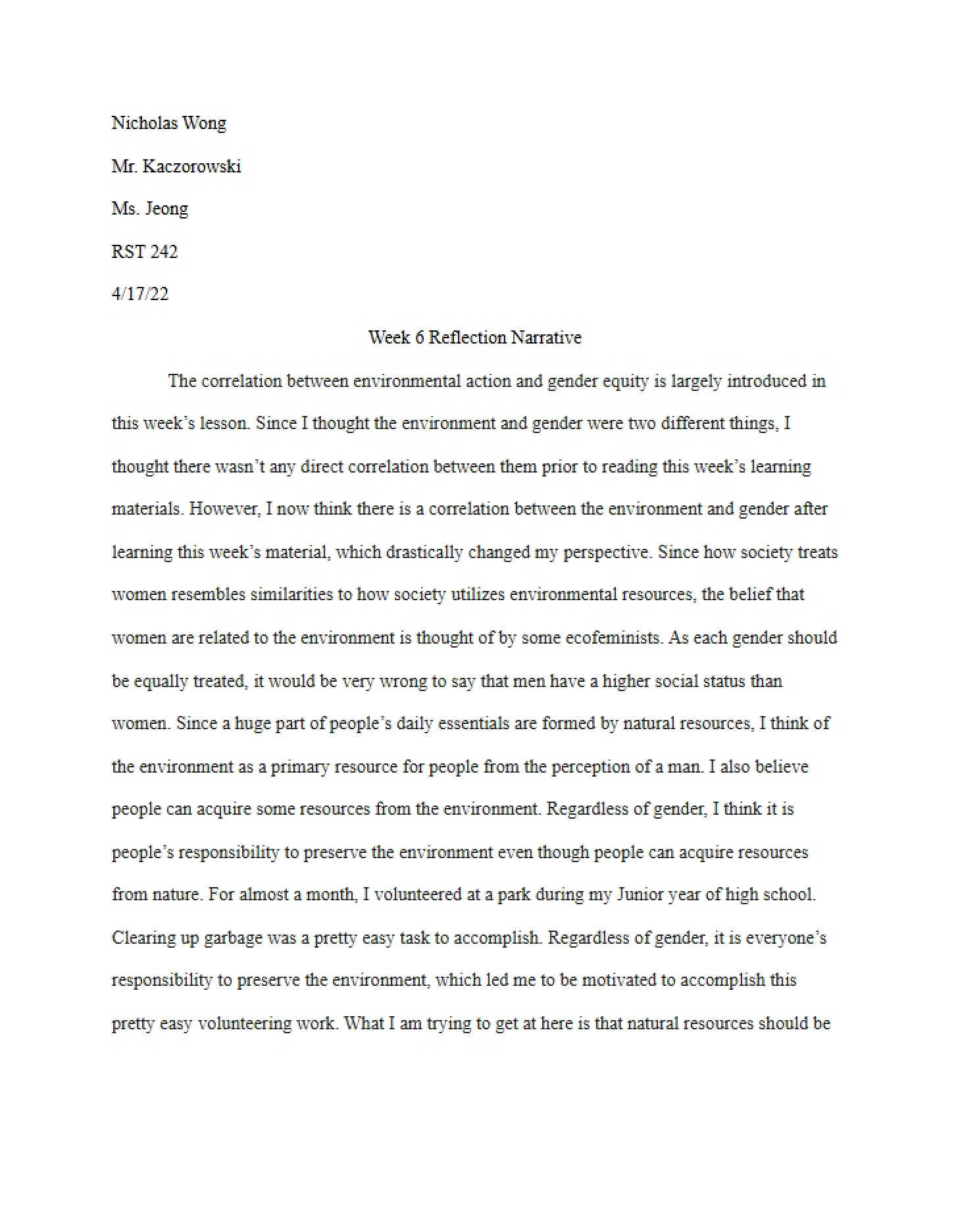
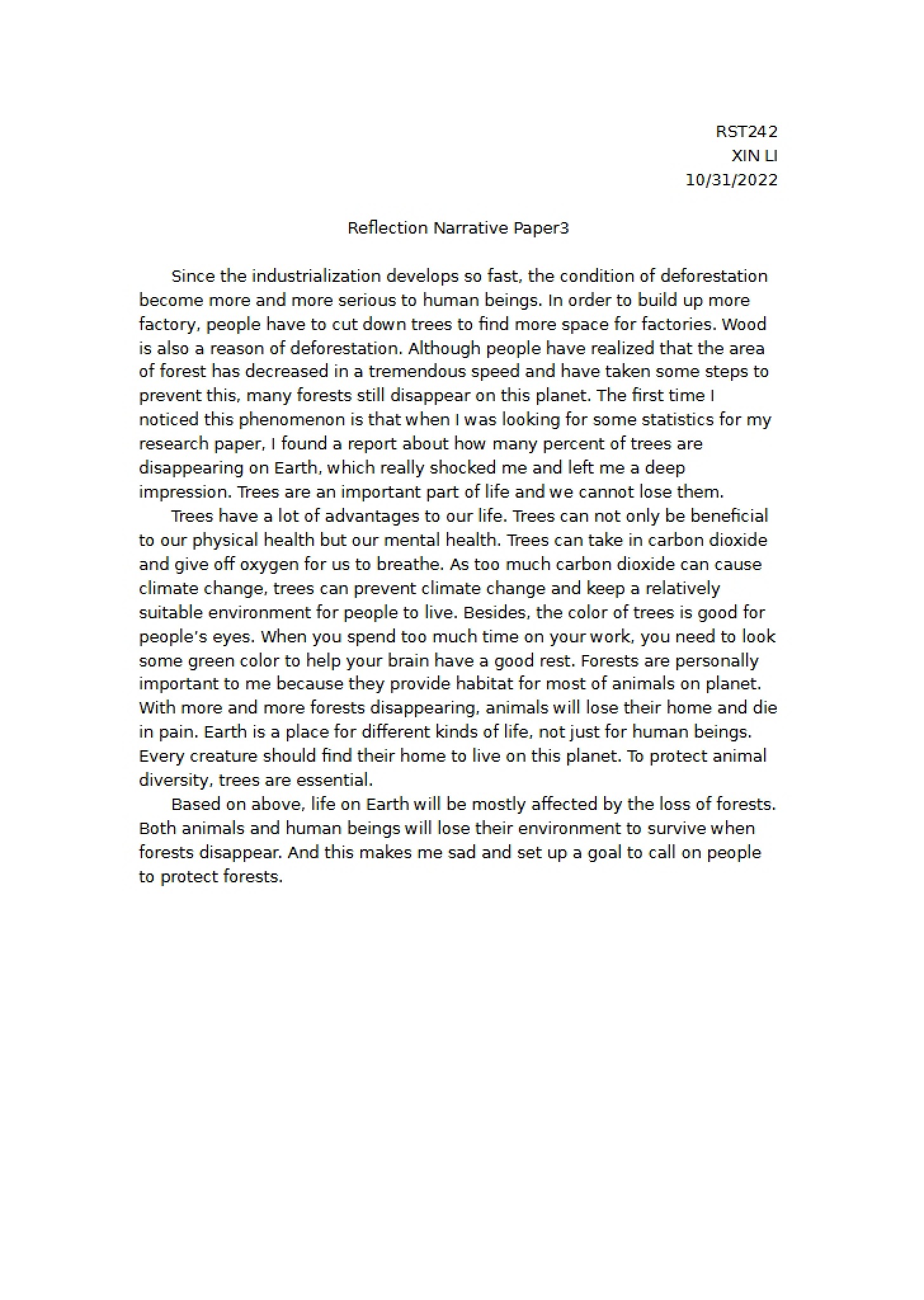
This is a reflective writing assignment completed for RST 242: Nature and American Culture at the University of Illinois at Urbana-Champaign. It represents a student’s personal engagement with course themes, specifically focusing on critical environmental issues and their intersection with cultural values. The assignment takes the form of a narrative reflection, requiring thoughtful consideration and articulation of complex ideas related to humanity’s relationship with the natural world. It’s a focused exploration of a particular environmental concern, framed within the broader context of the course’s interdisciplinary approach.
Why This Document Matters
Students enrolled in RST 242, or similar courses exploring environmental studies, American studies, or cultural geography, will find this assignment a valuable example of how to synthesize course material with personal reflection. It’s particularly useful for understanding expectations for reflective writing tasks, and for gaining insight into how peers are approaching key concepts. Those seeking models for articulating concerns about ecological issues and their societal impacts will also benefit. Reviewing this work can be helpful *before* beginning your own reflection assignments, offering a sense of scope and depth.
Common Limitations or Challenges
Please note that this is a single student’s perspective and does not represent a comprehensive overview of all possible viewpoints on the topic. It is a specific response to the course material as of a particular date (November 12, 2017) and may not reflect the most current research or evolving understandings. This assignment does not offer definitive answers or solutions to environmental problems; rather, it demonstrates a process of individual inquiry and critical thinking. It will not provide you with the content for *your* assignment.
What This Document Provides
* A focused exploration of a specific environmental issue.
* An example of a narrative reflective writing style.
* Demonstration of how to connect broad environmental concerns to specific aspects of biodiversity.
* Insight into the potential impacts of human activity on natural ecosystems.
* A student’s articulation of the importance of biological diversity for both ecological and societal well-being.