What This Document Is
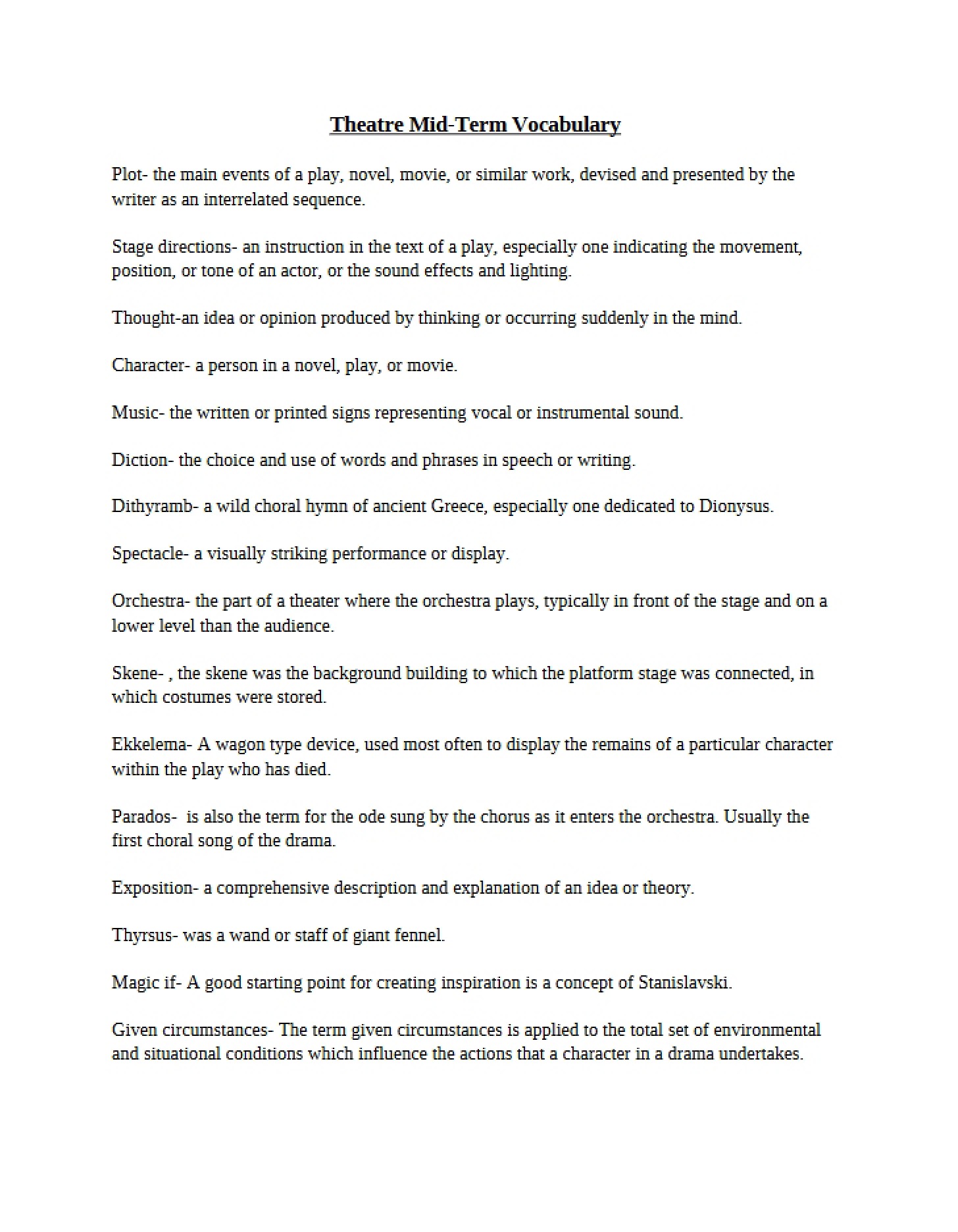
This study guide offers a comprehensive overview of foundational concepts within the field of theatre, specifically designed to support students in an introductory course. It delves into the historical roots of theatrical performance, the collaborative nature of production, and the core elements that constitute a dramatic work. It’s a resource intended to build a strong base understanding of theatre’s principles and practices.
Why This Document Matters
This guide is invaluable for students new to theatre studies, those seeking to solidify their understanding of key terminology, or anyone preparing for more in-depth exploration of dramatic literature and performance. It’s particularly useful during the early stages of a course, as a reference during readings, or as a review tool before assessments. Accessing the full resource will provide a structured learning path through the fundamentals of the art form.
Topics Covered
* The origins and enduring relevance of theatre in storytelling
* The roles and responsibilities within a theatre production team
* The stages of a theatrical production, from initial concept to final performance
* Core theatrical concepts like presentational and representational performance styles
* An exploration of ancient Greek theatre, including key playwrights and conventions
* The essential components of a play, such as conflict and plot structure
* The relationship between actors, audience, and the theatrical event
What This Document Provides
* A detailed examination of the collaborative process involved in bringing a play to life.
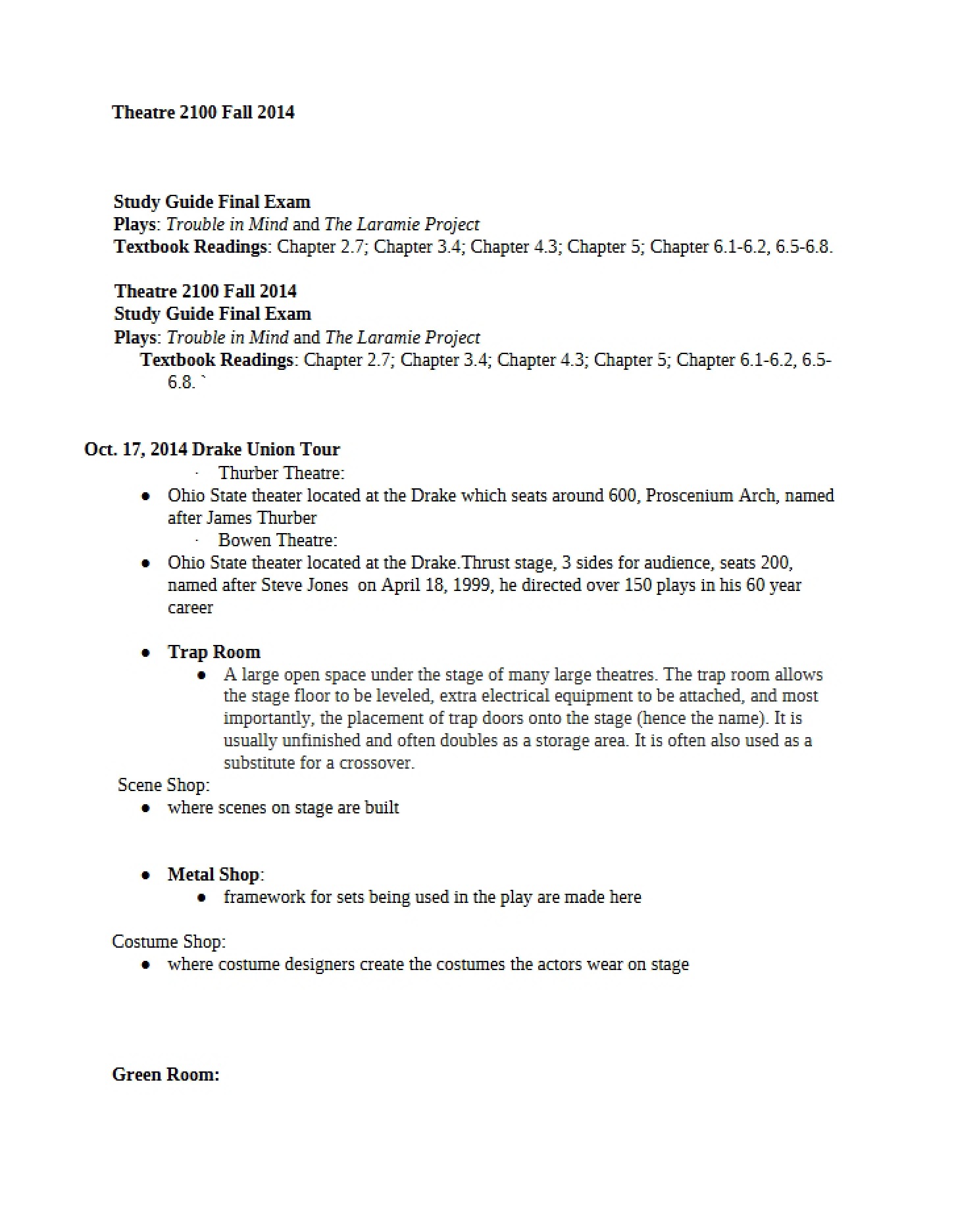
* An overview of different theatrical spaces and how they influence performance.
* Insights into the historical context and evolution of dramatic forms.
* A framework for analyzing the key elements that drive dramatic action.
* A foundational understanding of theatrical terminology and concepts.
* Exploration of the purpose and elements of tragedy as a dramatic form.