What This Document Is
This is a focused exploration of fracture mechanics and toughening strategies within the field of materials science and engineering. Specifically, it delves into the behaviors exhibited by materials under stress leading to fracture, and the methods employed to enhance a material’s resistance to crack propagation. It builds upon foundational concepts in mechanical behavior, applying them to real-world failure analysis and materials design. The content assumes a base understanding of stress, strain, and material properties.
Why This Document Matters
This resource is invaluable for students in advanced materials science courses, particularly those focusing on mechanical metallurgy or structural materials. It’s also beneficial for engineers involved in the selection, design, and failure analysis of components where structural integrity is critical – think aerospace, automotive, and civil engineering applications. Understanding these concepts is crucial for preventing catastrophic failures and optimizing material performance. Use this when you need a deeper understanding of how and why materials fracture, and how to improve their resilience.
Common Limitations or Challenges
This material concentrates on the theoretical underpinnings and fundamental principles governing fracture and toughening. It does *not* provide detailed case studies of specific material failures, nor does it offer comprehensive design guidelines for particular engineering applications. It also assumes a working knowledge of concepts like plane stress and plane strain, and doesn’t function as a basic introduction to those topics. Practical application and detailed calculations require supplementary resources.
What This Document Provides
* An examination of the differences between ductile and brittle fracture behaviors.
* A discussion of stress state considerations – specifically, the impact of plane stress versus plane strain conditions on fracture toughness.
* An overview of methods used to quantify fracture toughness, including laboratory testing techniques.
* An exploration of the brittle-to-ductile transition phenomenon in materials.
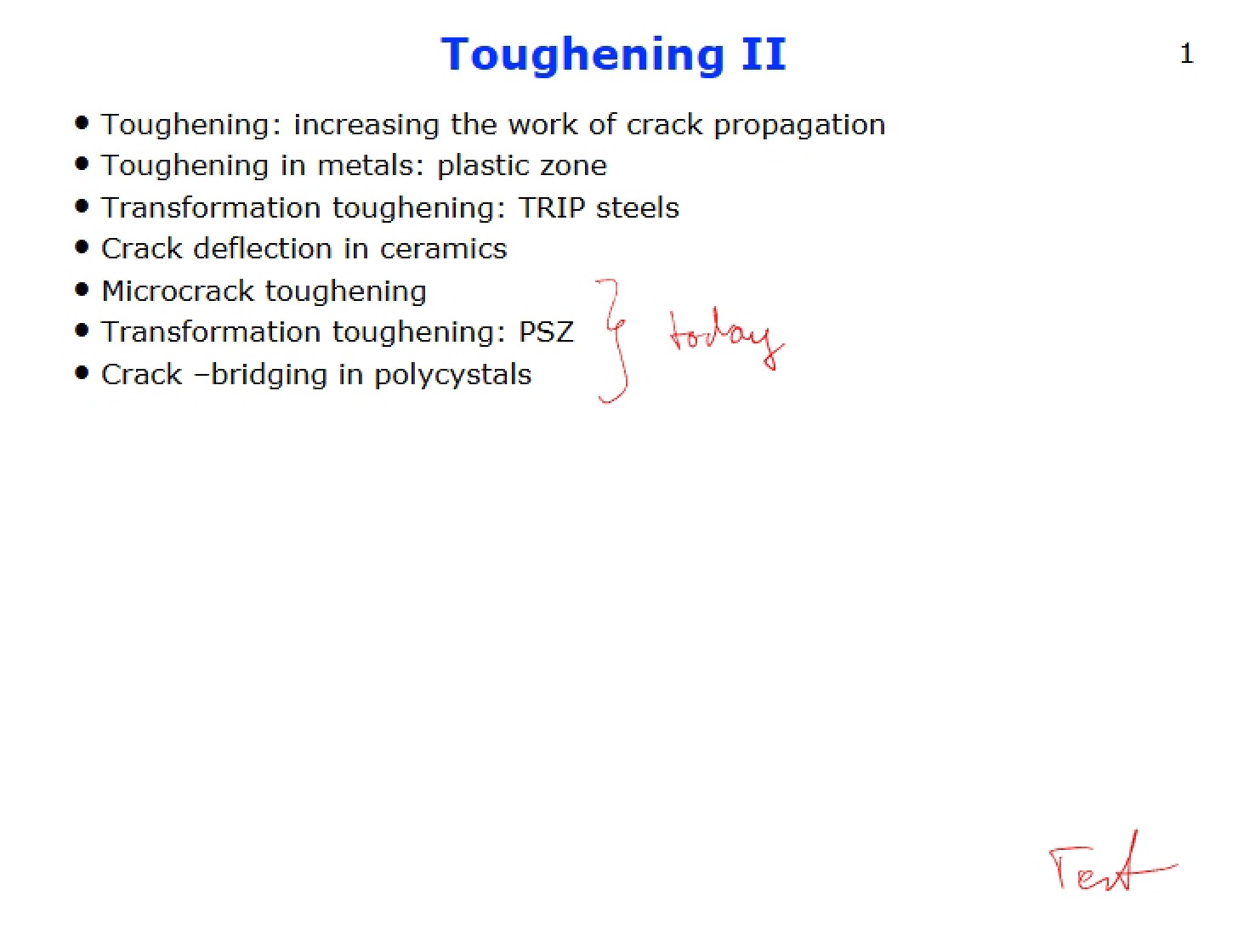
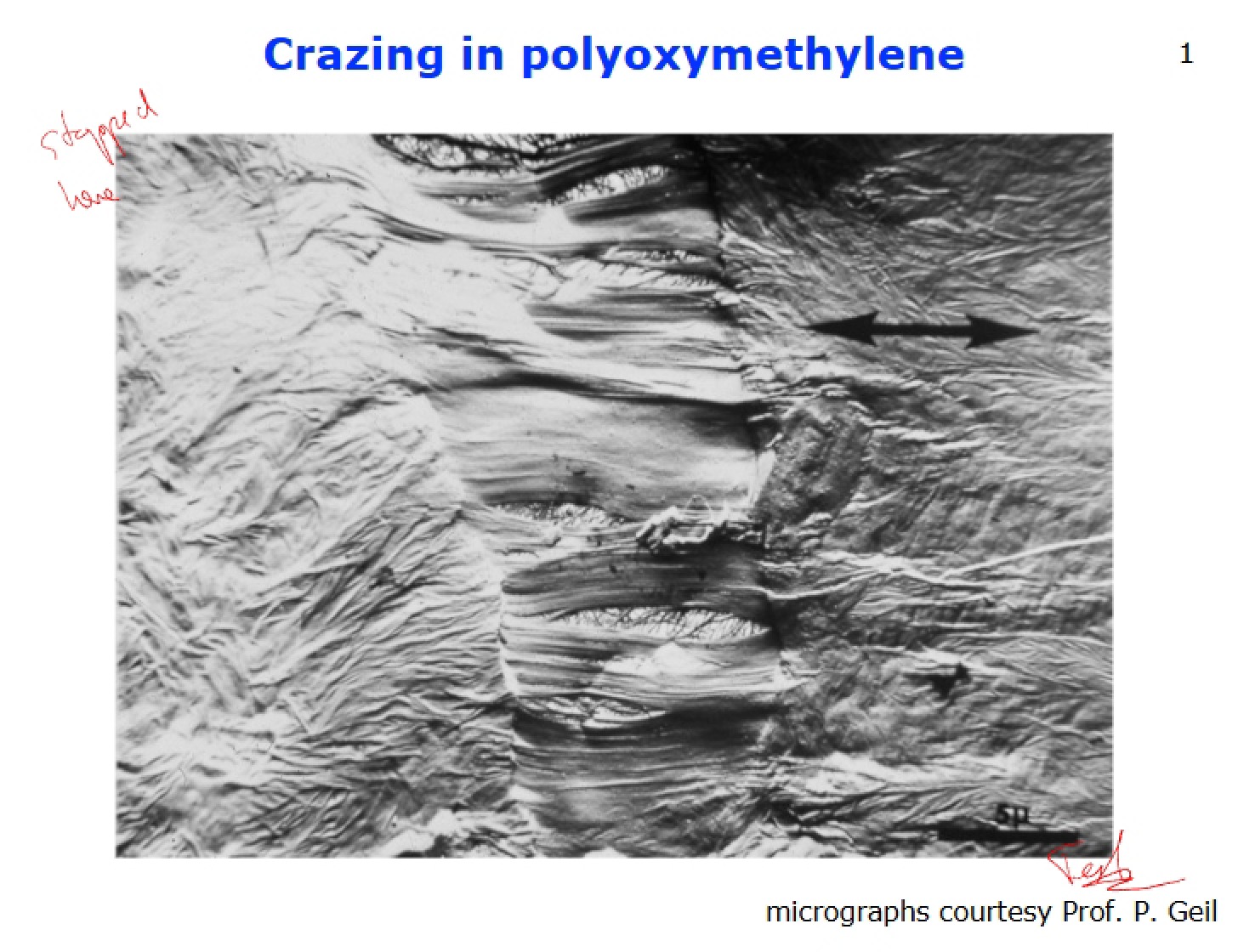
* An introduction to various toughening mechanisms employed in metals and ceramics to enhance resistance to crack propagation.
* A comparative analysis of different toughening approaches and their underlying principles.