What This Document Is
This document represents lecture notes from an advanced molecular genetics course (MCB 502) at the University of Illinois at Urbana-Champaign, specifically focusing on Lecture #14: Recombinational Repair. It delves into the mechanisms cells employ to address and resolve damage within the genome, moving beyond simple lesion identification to explore how these issues impact chromosomal integrity and replication processes. The material centers around the consequences of different types of DNA damage and how cells attempt to maintain genomic stability in the face of these challenges.
Why This Document Matters
This resource is invaluable for students enrolled in upper-level molecular genetics, genomics, or related biochemistry courses. It’s particularly helpful for those seeking a deeper understanding of DNA repair pathways and their connection to the broader chromosome cycle. Students preparing for exams or working on research projects involving DNA replication, mutagenesis, or genome maintenance will find this material highly relevant. It’s best utilized *after* establishing a foundational understanding of DNA structure, replication, and basic DNA damage types.
Common Limitations or Challenges
This lecture material presents complex biological processes. It assumes a pre-existing knowledge of molecular biology techniques and terminology. While it explores the *effects* of certain DNA lesions, it does not provide a comprehensive overview of all possible damage types or repair systems. Furthermore, it focuses on specific experimental observations and their interpretation, rather than offering a broad survey of the field. It is a focused lecture, not a standalone textbook chapter.
What This Document Provides
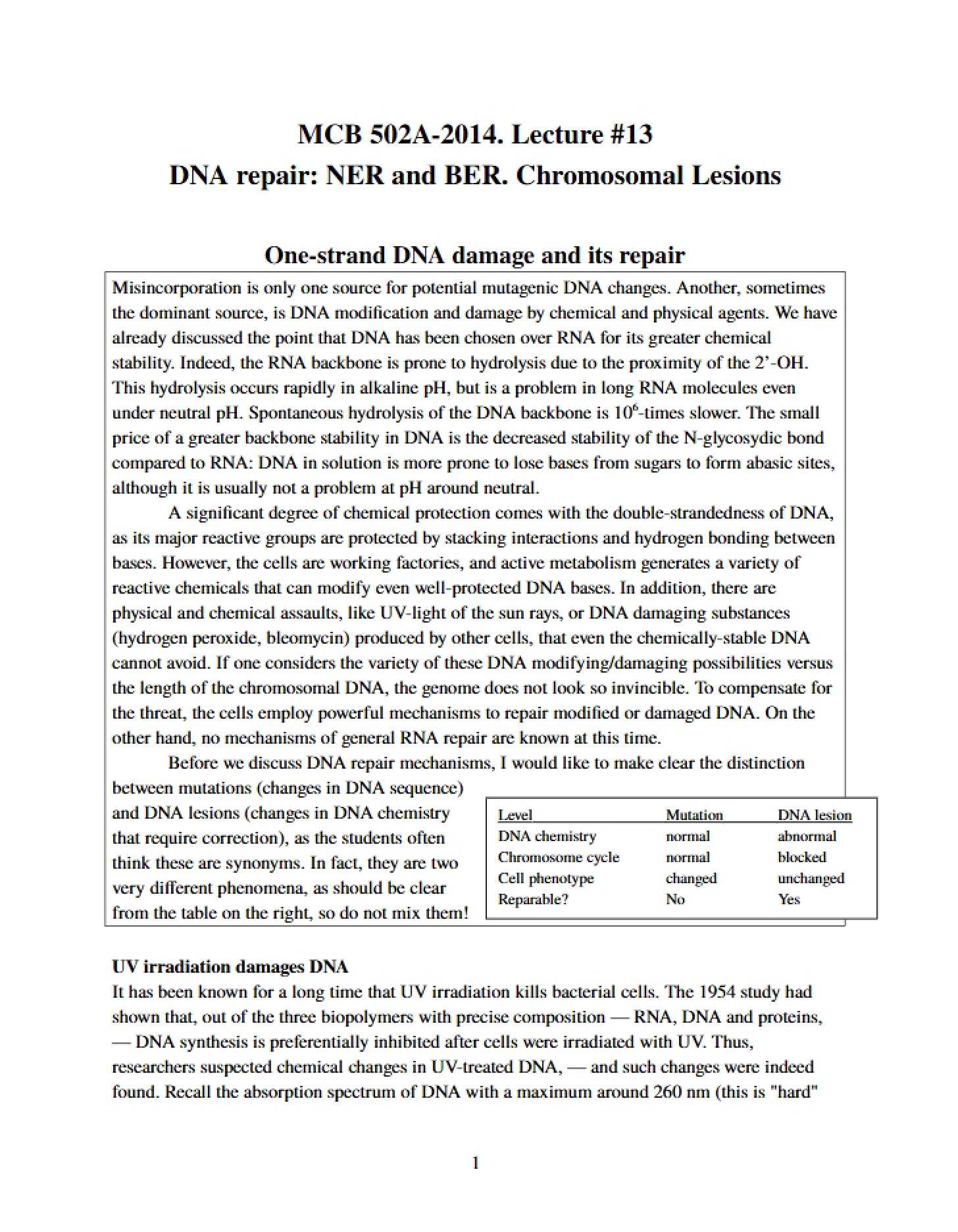
* An exploration of the distinction between direct chromosomal lesions and those arising from replication processes.
* Discussion of how unrepaired DNA lesions impact the progression of replication forks.
* Analysis of the formation and consequences of specific types of gaps generated during replication.
* Insights into the role of nucleotide excision repair in mitigating the effects of DNA damage.
* Consideration of how cellular repair mechanisms influence chromosome structure and integrity.