What This Document Is
This document provides a focused exploration of receptor characteristics within the field of human physiology. It delves into the fundamental properties that govern how cells respond to signals, laying a crucial foundation for understanding complex physiological processes. Designed for students of human physiology, this material offers a detailed look at the mechanisms underlying cellular communication.
Why This Document Matters
This resource is ideal for students in a Human Physiology course seeking a deeper understanding of how the body functions at a cellular level. It’s particularly helpful when studying signal transduction, pharmacology, and endocrine systems. Use this material to build a strong conceptual base before tackling more advanced topics or preparing for assessments. Understanding these core principles is essential for anyone pursuing a career in healthcare or biological sciences.
Topics Covered
* Receptor activation and the role of ligands
* Specificity and affinity in receptor-ligand interactions
* The concept of receptor saturation and its implications
* Competitive binding and the roles of agonists and antagonists
* Signal transduction pathways and cellular responses
* Diverse physiological changes resulting from receptor activation
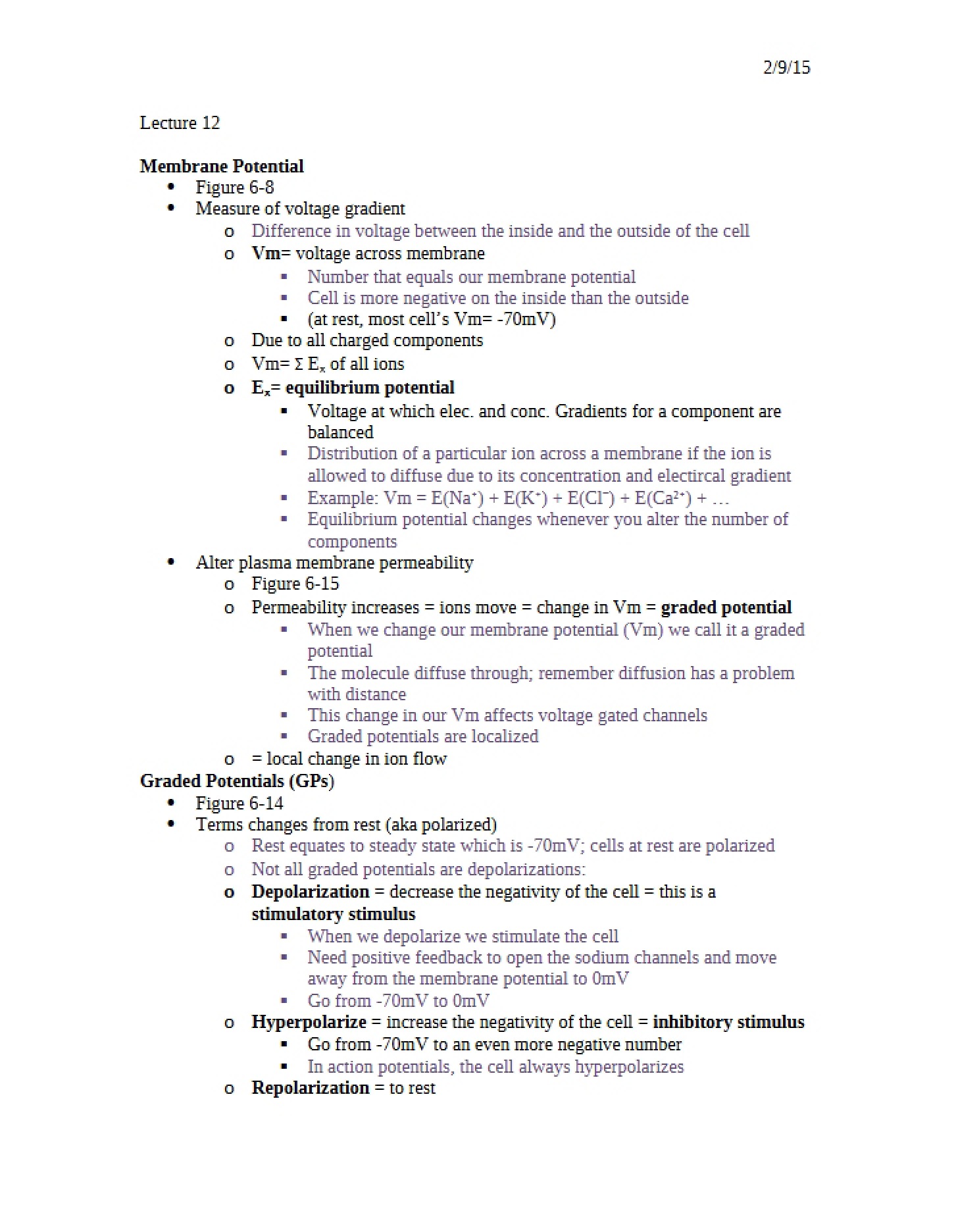
* Location of receptors – intracellular versus membrane-bound
* Mechanisms of intracellular receptor function
* The role of plasma binding proteins in ligand transport
What This Document Provides
* A comprehensive overview of key receptor characteristics.
* Detailed explanations of the relationship between receptor properties and physiological outcomes.
* Exploration of how receptor interactions initiate cellular responses.
* Discussion of the factors influencing the strength and effectiveness of receptor binding.
* Insight into the different types of receptors and their respective locations within the cell.
* Conceptual frameworks to aid in understanding complex signaling pathways.