What This Document Is
This is a detailed laboratory procedure focused on a key reaction in organic chemistry: the bromination of trans-cinnamic acid. It’s designed as a practical guide for students undertaking this experiment within a second-semester organic chemistry lab course. The procedure outlines the steps involved in performing the reaction, isolating the product, and characterizing its properties. It assumes a foundational understanding of laboratory techniques like refluxing, vacuum filtration, and recrystallization.
Why This Document Matters
This resource is essential for students enrolled in Organic Chemistry II labs who need a clear, step-by-step guide to successfully complete the bromination experiment. It’s particularly helpful when preparing *before* lab to understand the overall process and anticipate potential challenges. It also serves as a valuable reference *during* the lab session to ensure accurate execution of the procedure. Understanding this reaction is crucial for building a strong foundation in reaction mechanisms, stereochemistry, and spectroscopic analysis.
Common Limitations or Challenges
This procedure focuses specifically on the experimental process. It does not include a comprehensive theoretical background on electrophilic addition reactions, detailed mechanism explanations, or pre-lab calculations. It also doesn’t offer troubleshooting advice for unexpected results beyond a general observation regarding reaction color. Students will need to supplement this procedure with their course textbook, lecture notes, and instructor guidance to fully grasp the underlying chemical principles.
What This Document Provides
* A structured, sequential approach to performing the bromination of trans-cinnamic acid.
* Guidance on the use of specific laboratory equipment, including reflux condensers and Hirsch funnels.
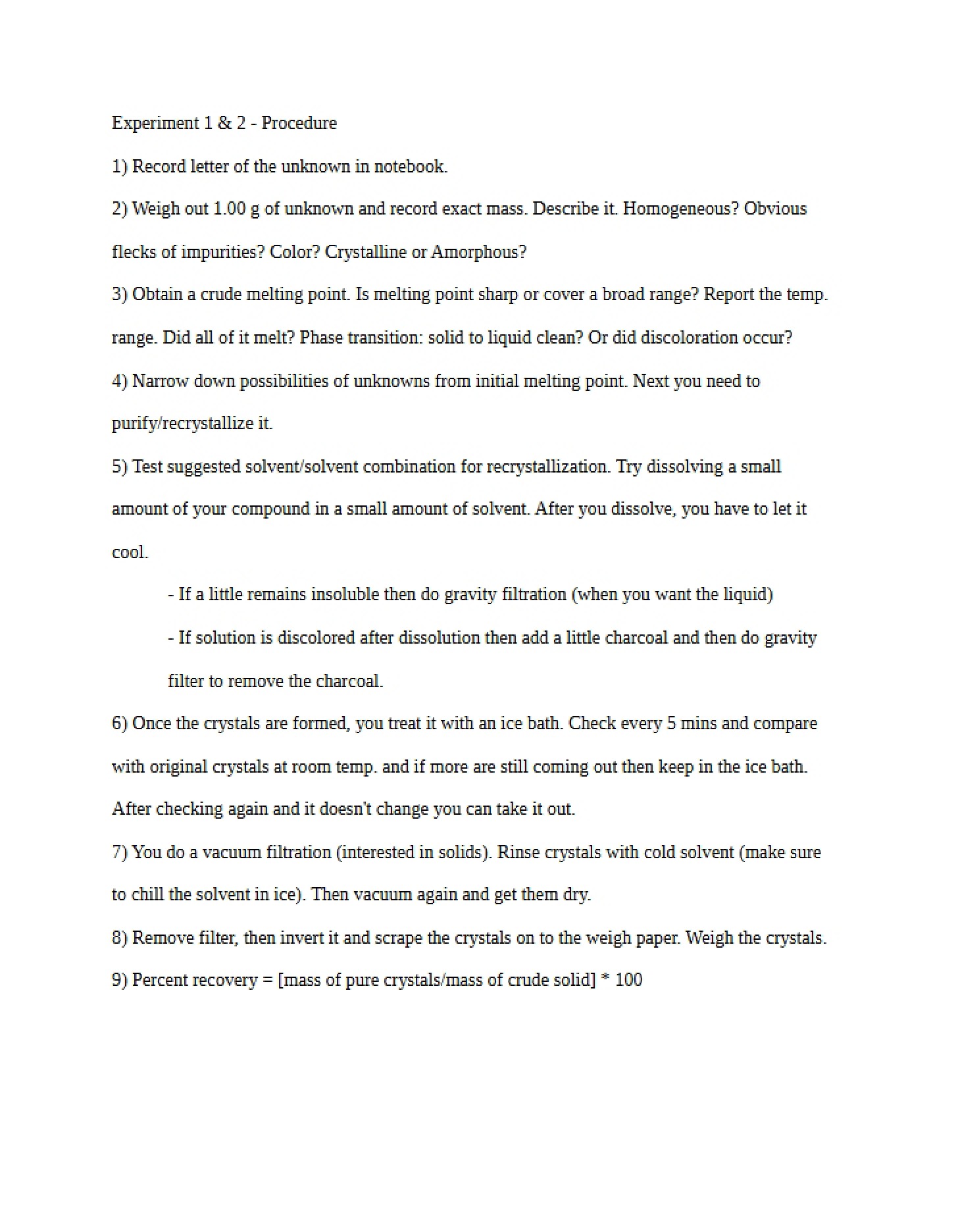
* Instructions for product isolation and purification techniques, including recrystallization.
* Details on methods for product characterization, including melting point determination and spectroscopic analysis.
* Specific observations to monitor during the reaction to assess progress and completion.