What This Document Is
This is a detailed exploration of mRNA transcription, a core process within the field of Human Genetics (MCB 2410 at the University of Connecticut). It delves into the mechanisms by which genetic information encoded in DNA is converted into RNA, setting the stage for protein synthesis. This resource is designed to provide a comprehensive understanding of the molecular events involved in gene expression at the transcriptional level.
Why This Document Matters
This material is essential for students in Human Genetics, Molecular Biology, and related disciplines. It’s particularly valuable when studying gene expression, central dogma of molecular biology, and the flow of genetic information. Use this resource to build a strong foundation for understanding how genes are ‘read’ and utilized by cells, and to prepare for more advanced topics in genetics and molecular biology. It’s ideal for supplementing lectures, reinforcing textbook material, and preparing for assessments.
Topics Covered
* The fundamental differences between DNA and RNA structure and function.
* The various classes of RNA molecules found in eukaryotic cells and their specific roles.
* The process of transcription, including the key enzymes and components involved.
* Pre-mRNA processing steps, including modifications necessary for mRNA maturation.
* The organization of a transcription unit, including promoters, coding regions, and terminators.
* The role of specific sequences and proteins in initiating transcription.
What This Document Provides
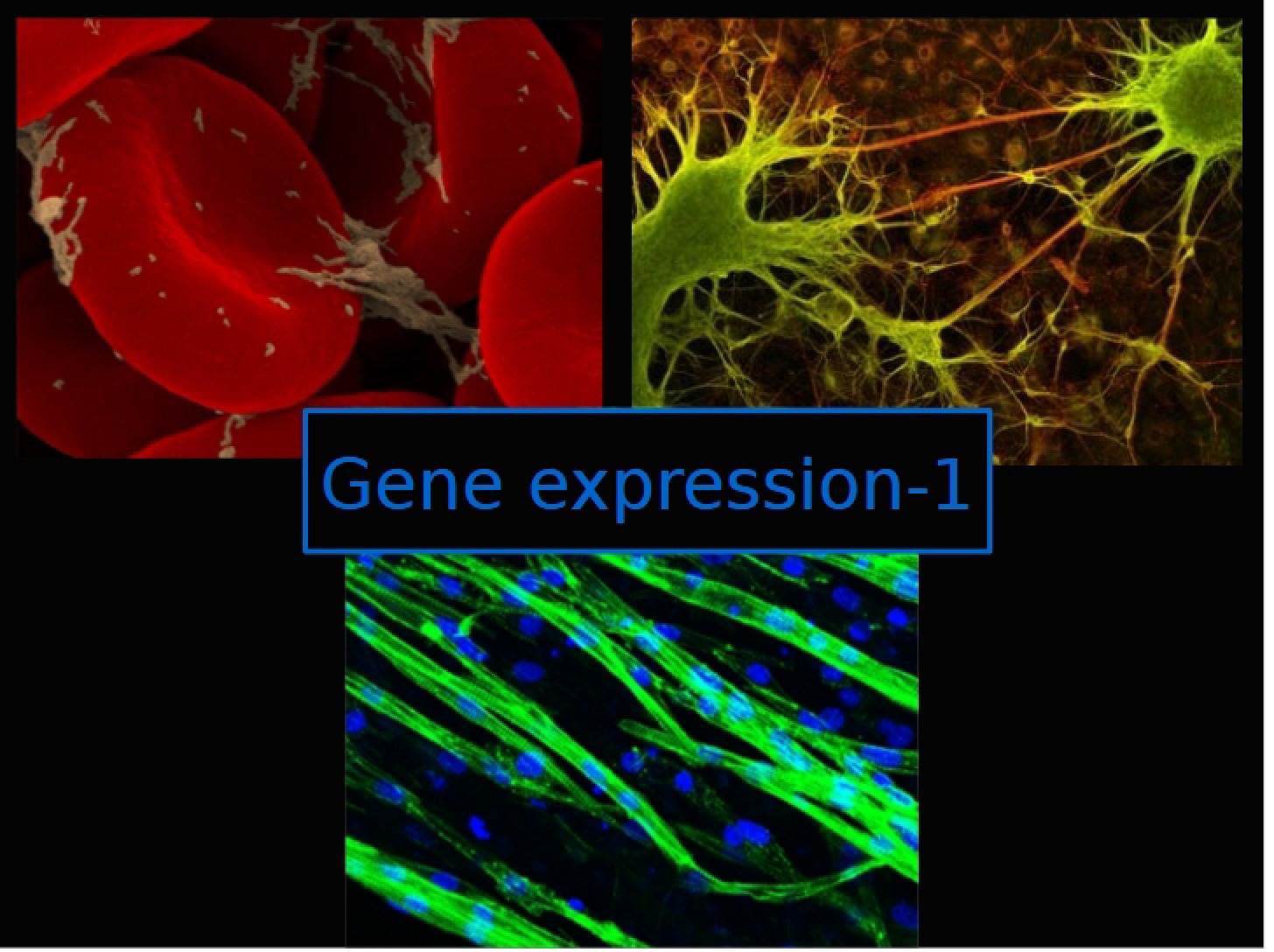
* A clear overview of the relationship between gene expression and phenotypic traits.
* Detailed descriptions of the molecular players involved in RNA synthesis.
* An examination of the key distinctions in structure and function between DNA and RNA.
* An exploration of the diverse roles of different RNA types within the cell.
* Insights into the regulatory mechanisms that control the initiation of transcription.
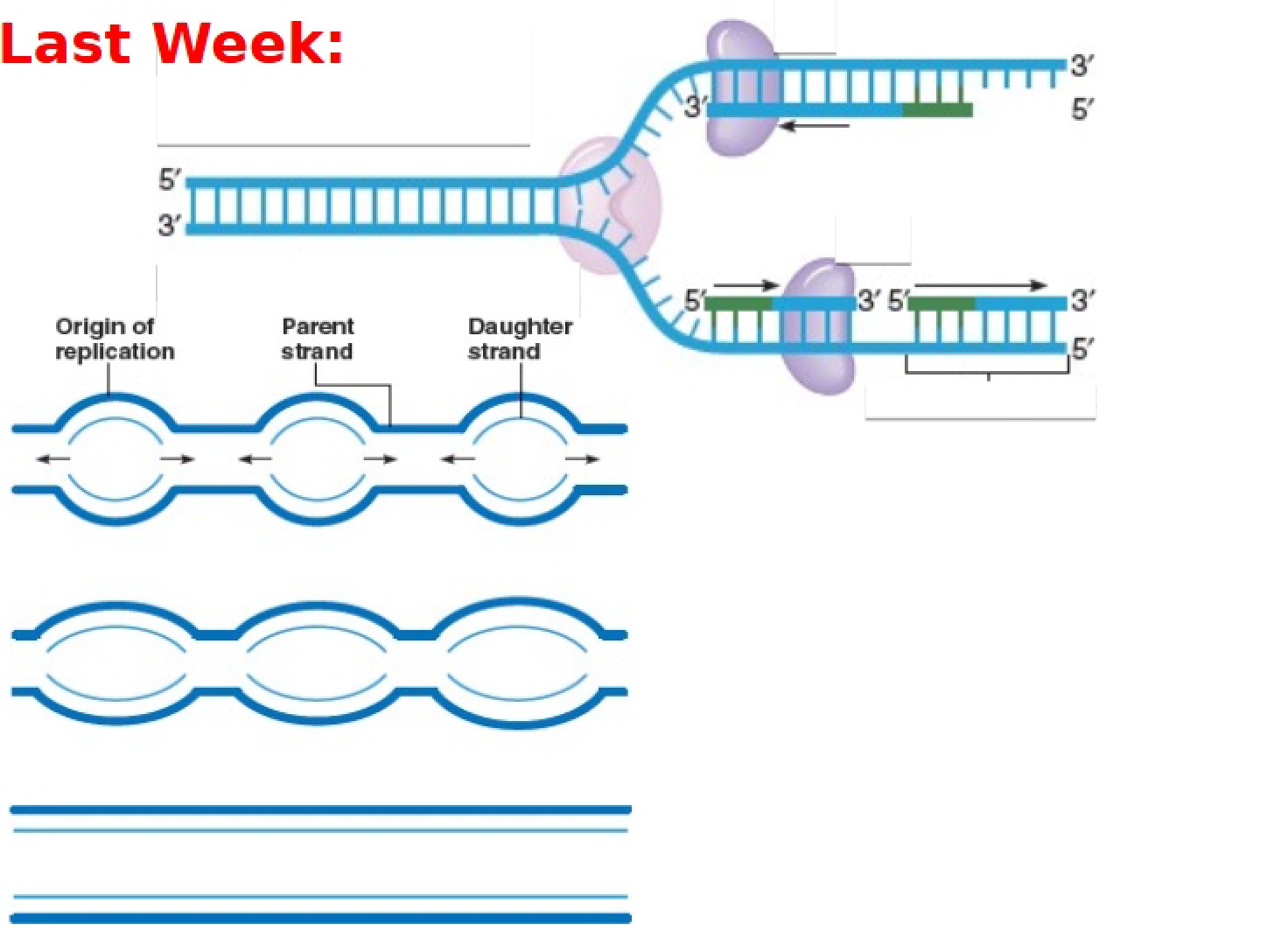
* Visual representations to aid in understanding complex molecular processes.