What This Document Is
This is a detailed exploration of transport simulation within integrated-circuit devices, specifically utilizing Monte Carlo methods. It focuses on semiconductors commonly used in modern technology – those with diamond and zinc-blende structures – and delves into the complexities of charge carrier movement within these materials. This work represents a foundational study intended to inform more advanced device modeling, particularly for nanoscale transistors. It’s a rigorous investigation into the fundamental physics governing electron and hole transport.
Why This Document Matters
This resource is invaluable for graduate students and researchers in electrical engineering, materials science, and physics who are specializing in semiconductor device physics. It’s particularly relevant for those working on the modeling and simulation of advanced transistors, or anyone needing a deep understanding of carrier transport phenomena. This document will be most useful when you are seeking a comprehensive understanding of the underlying principles before tackling complex device simulations or experimental analysis. It provides a strong theoretical basis for understanding device behavior.
Topics Covered
* Monte Carlo simulation techniques for semiconductor transport
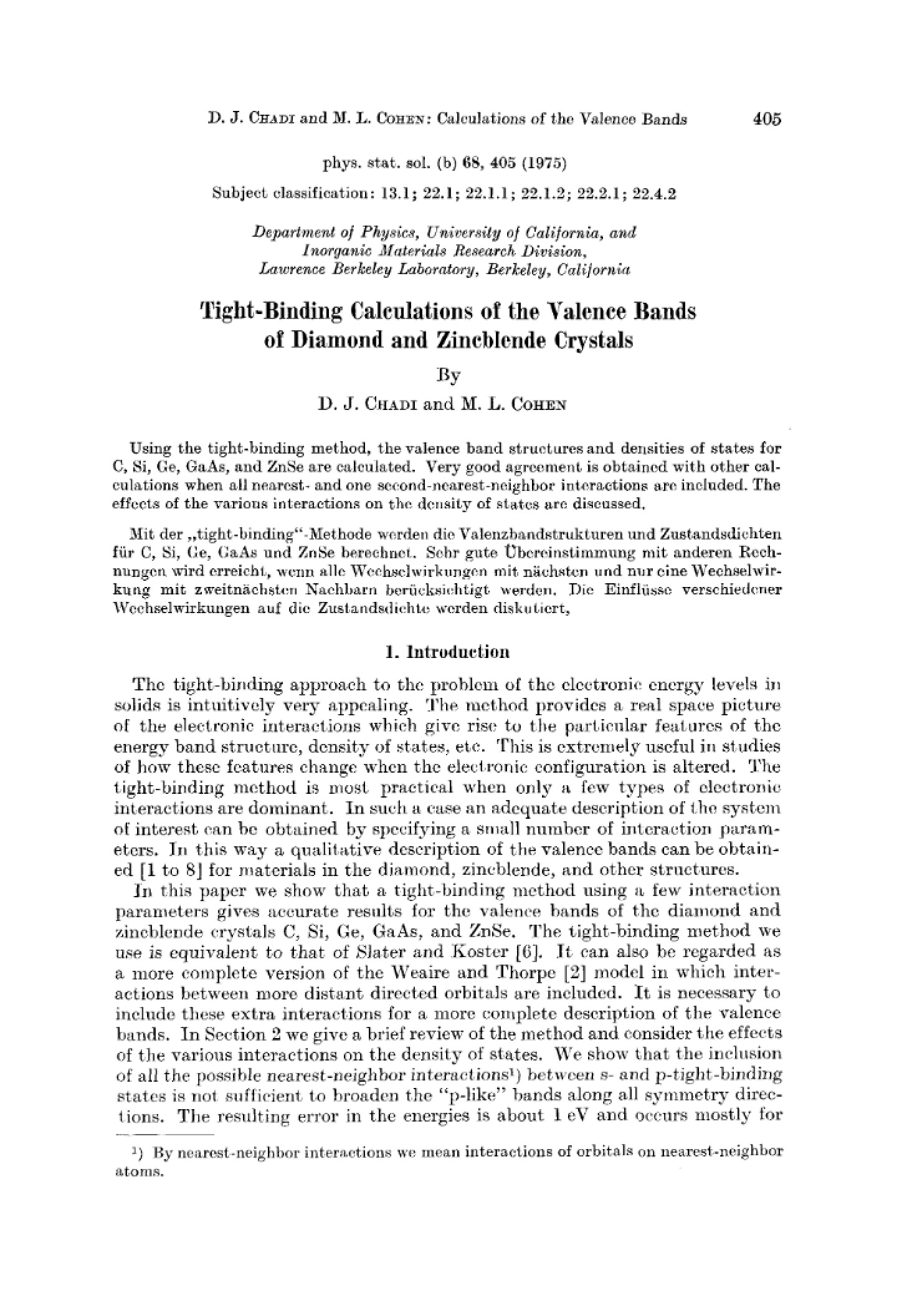
* Band structure analysis of various semiconductor materials (Ge, Si, GaAs, InP, and alloys)
* Detailed examination of electron and hole transport characteristics
* Impact ionization processes and their modeling
* Analysis of drift velocity, energy, and diffusivity as functions of electric field
* Comparison of simulation results with available experimental data
* Material parameter considerations for accurate modeling
What This Document Provides
* A comprehensive overview of the Monte Carlo methodology applied to semiconductor transport.
* Detailed discussion of band structure models used in simulations.
* Extensive results from simulations covering a range of materials and conditions.
* A critical assessment of the consistency between simulation results and experimental observations.
* A foundation for understanding the challenges and uncertainties in modeling charge transport in technologically important semiconductors.
* A detailed exploration of relaxation times and their influence on transport properties.