What This Document Is
This material provides focused instruction on advanced database concepts, specifically exploring techniques for modifying data through views using triggers. It’s part of the CMPS 180 - 01 Database Systems I course at the University of California, Santa Cruz, and delves into the practical application of these concepts within an Oracle database environment. The resource builds upon foundational database knowledge and introduces more sophisticated methods for data manipulation and integrity.
Why This Document Matters
This resource is invaluable for students seeking a deeper understanding of database triggers and their role in maintaining data consistency and enforcing business rules. It’s particularly helpful for those preparing to design and implement complex database systems where views require modification capabilities. Individuals working on projects involving data integration, auditing, or real-time data processing will also find the concepts presented here highly relevant. Understanding these techniques is crucial for anyone aiming to become a proficient database developer or administrator.
Topics Covered
* Instead-of triggers for view modification
* Implementation of triggers using PL/SQL
* Comparison of trigger functionality between Oracle and standard SQL
* PL/SQL fundamentals, including syntax and structure
* Stored procedures: creation, invocation, and argument handling
* Control structures within PL/SQL (conditional statements and loops)
* Data manipulation within PL/SQL blocks
What This Document Provides
* A focused exploration of how to intercept and manage modifications to database views.
* Illustrative examples demonstrating the application of triggers in a relational database schema.
* Detailed explanations of PL/SQL constructs essential for writing effective database procedures and triggers.
* Guidance on defining procedures with various argument modes and data types.
* A foundation for understanding the differences between Oracle’s PL/SQL implementation and standard SQL trigger behavior.
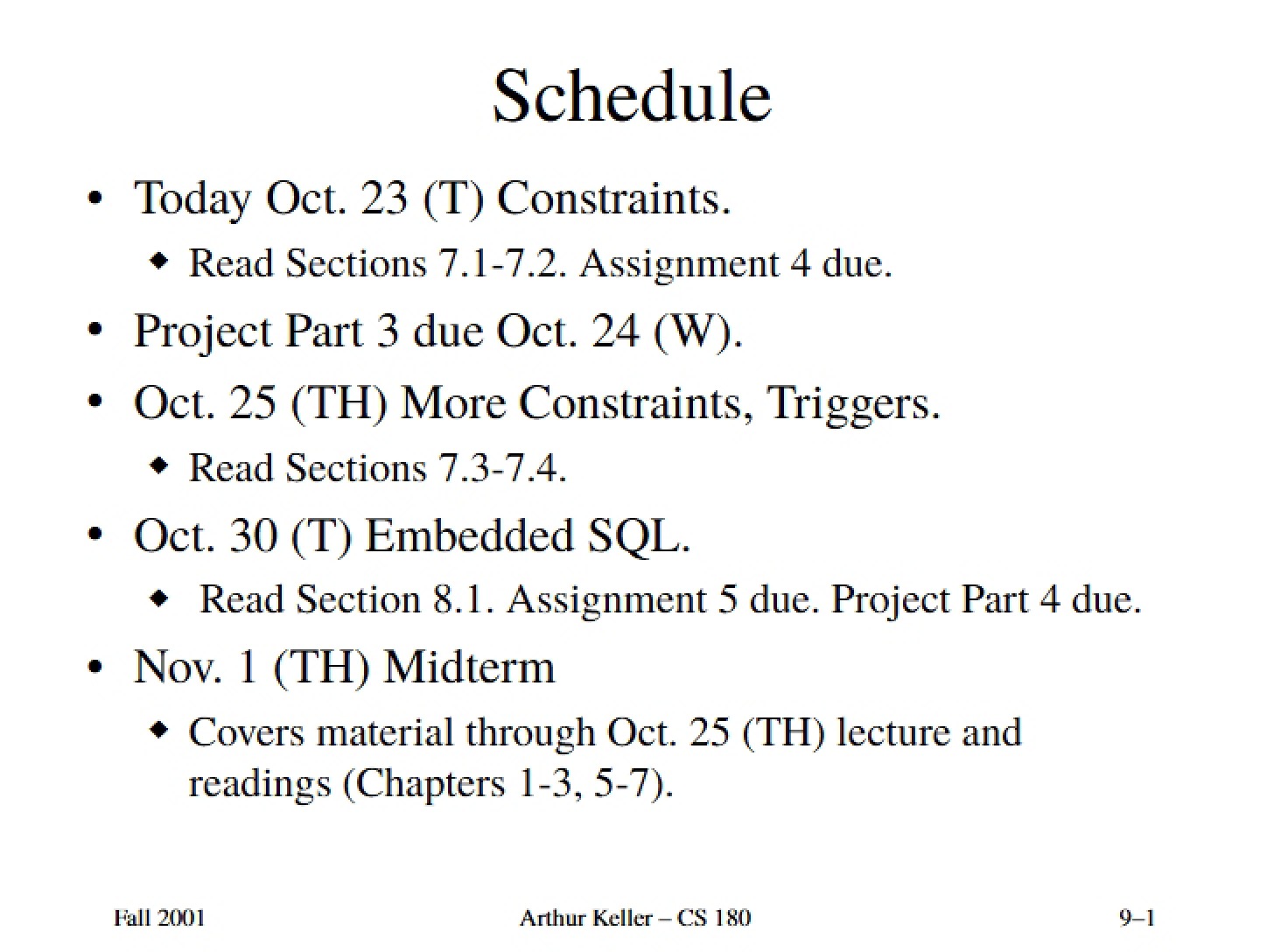
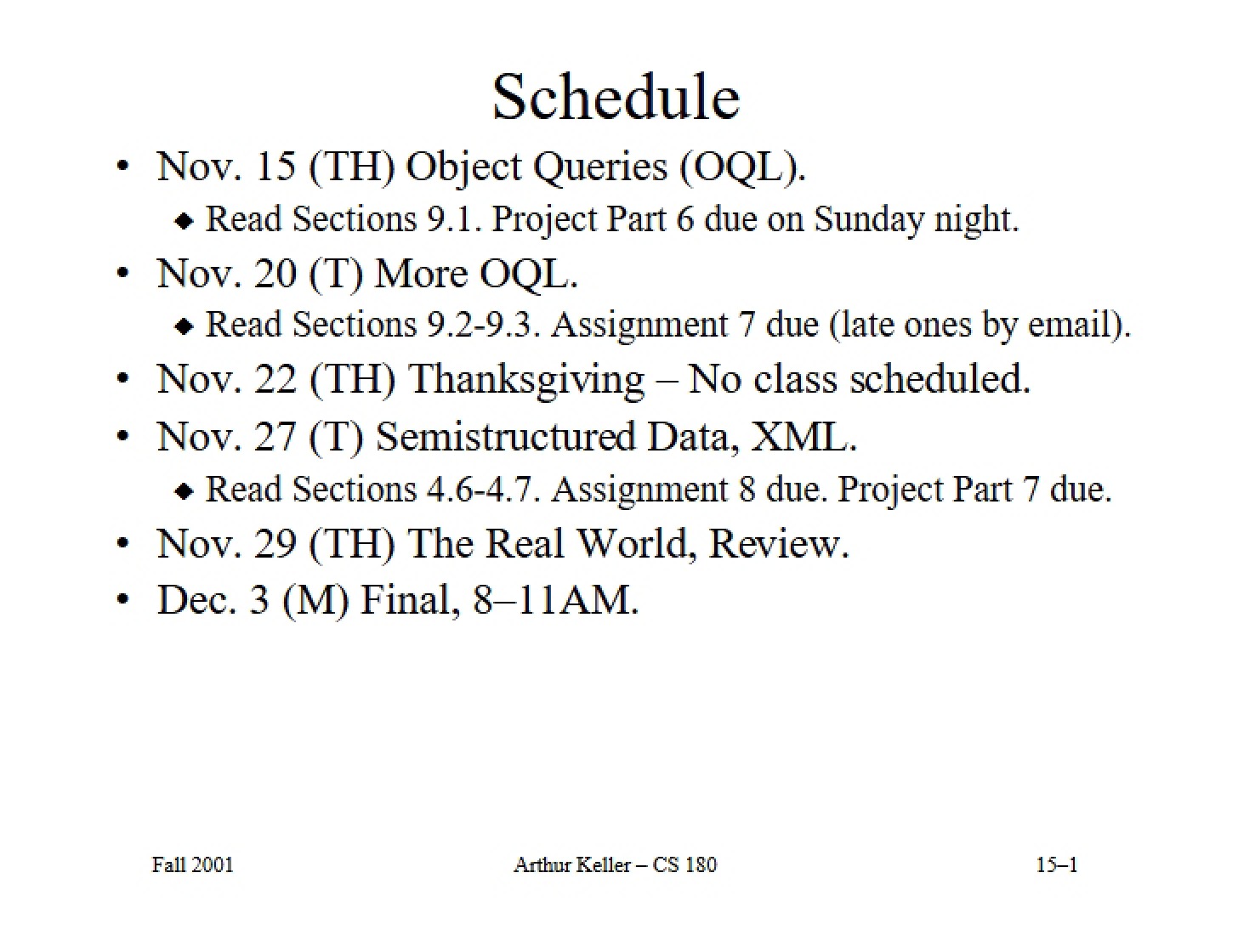
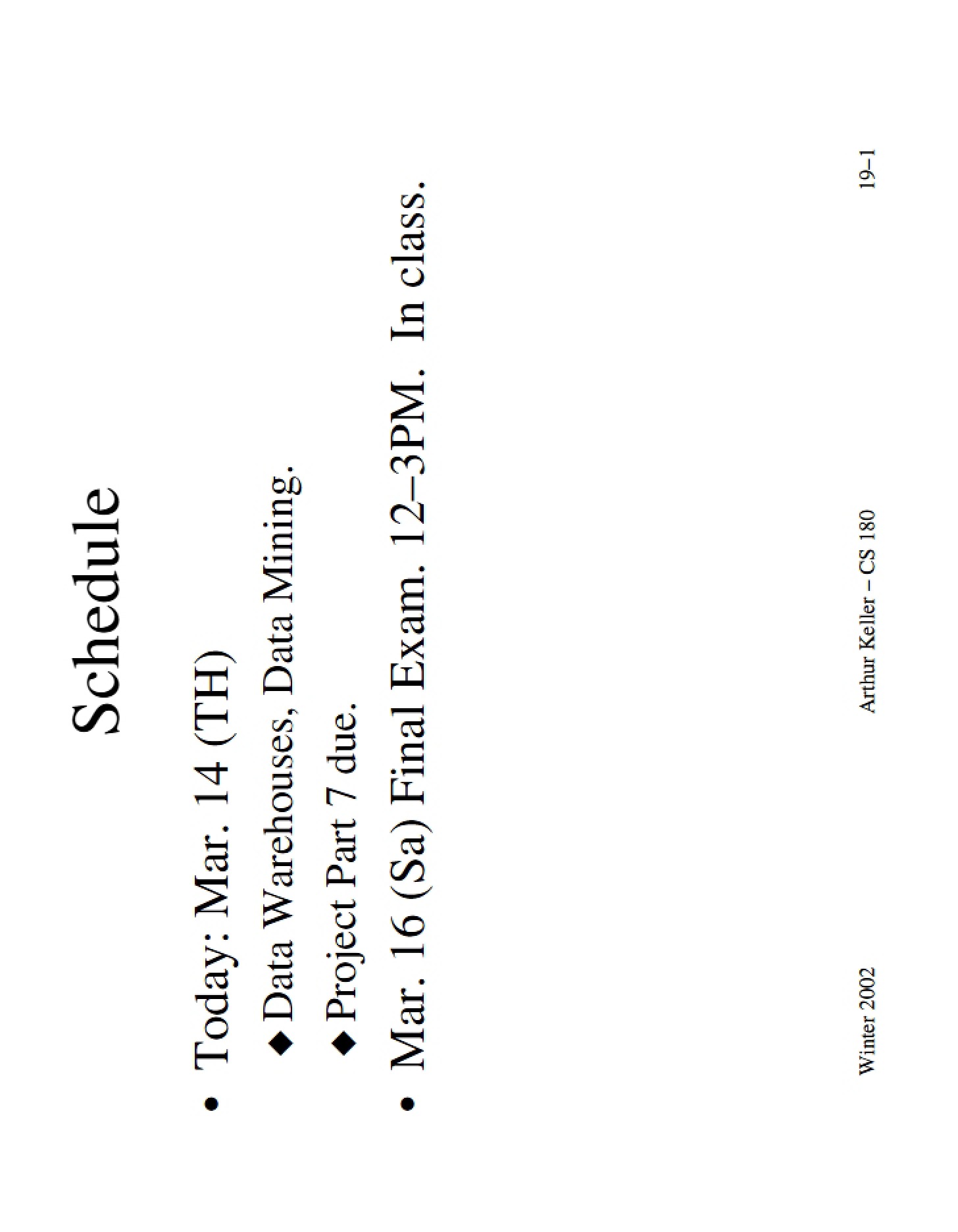
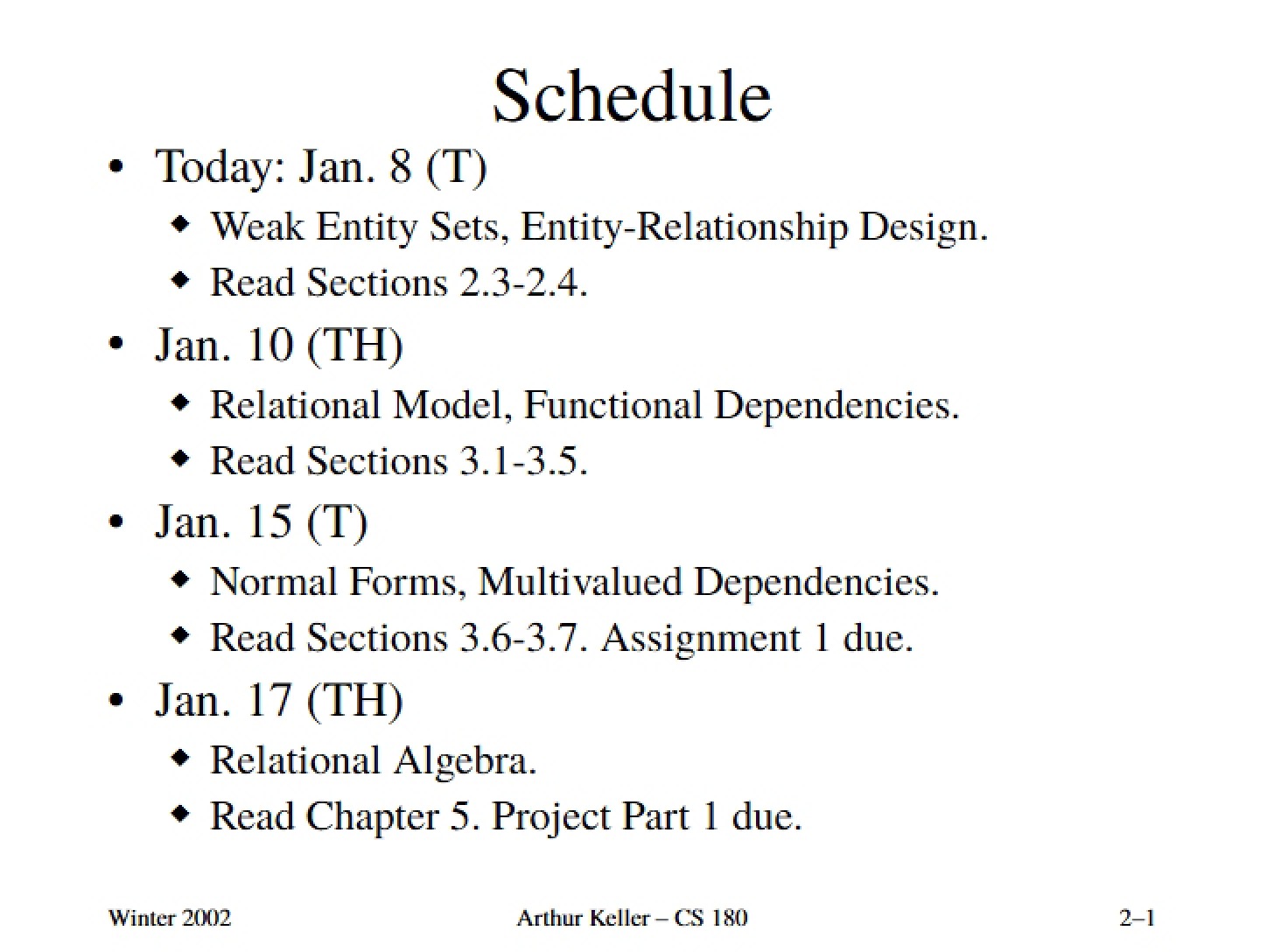
* A schedule outlining related course topics and assignments.