What This Document Is
This document represents lecture notes from a Biochemistry course (CHEM 153B) at the University of California, Los Angeles, specifically focusing on the twenty-first lecture session. It delves into the intricate world of proteins involved in gene regulation, exploring the structural motifs and mechanisms they employ to interact with DNA. The core subject matter centers around how these proteins recognize specific DNA sequences and ultimately control gene expression. It builds upon foundational knowledge of DNA, RNA, and protein synthesis, applying those concepts to a higher level of biological function.
Why This Document Matters
Students enrolled in Biochemistry, Molecular Biology, or related fields will find this material particularly valuable. It’s ideal for reinforcing concepts presented in lectures and providing a deeper understanding of transcriptional regulation. This resource is most beneficial when studying gene expression, protein structure-function relationships, and the molecular mechanisms underlying cellular processes. It serves as a strong foundation for understanding more complex topics in genetics and developmental biology. Accessing the full content will allow for a comprehensive grasp of these critical biochemical principles.
Topics Covered
* Protein dimerization motifs and their role in DNA binding
* Structural characteristics of leucine zippers and helix-loop-helix domains
* The interplay between protein structure and DNA sequence recognition
* Mechanisms of protein-DNA interactions, including hydrogen bonding and van der Waals forces
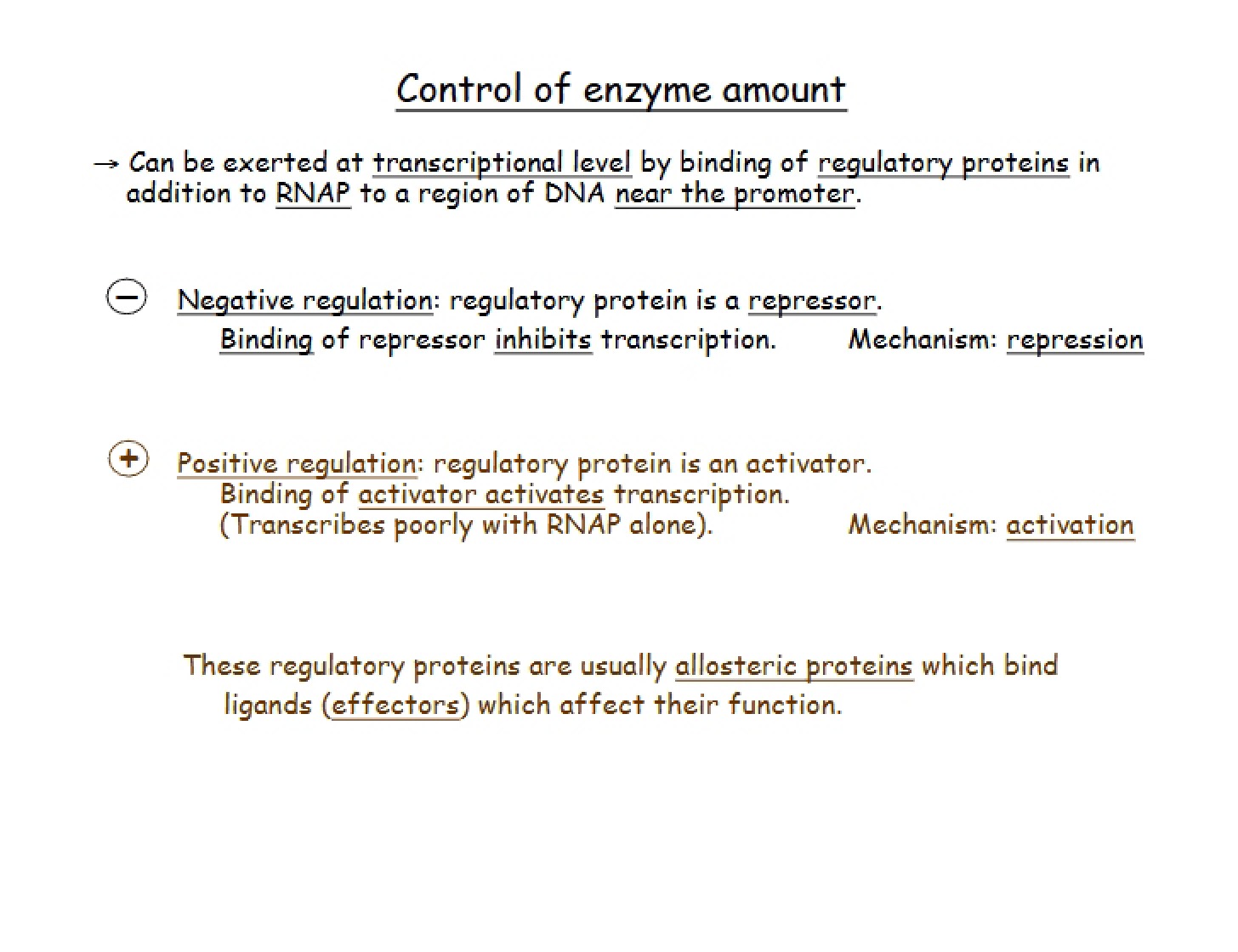
* Activation and repression domains in eukaryotic transcription factors
* The modular architecture of transcriptional activators and repressors
* The role of coactivators and corepressors in gene regulation
What This Document Provides
* Detailed examination of specific protein motifs, including bZIP and bHLH domains.
* Visual representations aiding in understanding protein structure and function.
* Discussion of how different protein domains contribute to DNA binding specificity.
* An overview of activation domains and their impact on transcriptional activity.
* Exploration of the relationship between enhancer elements, core promoters, and gene expression.
* Insights into the complex interplay between regulatory proteins and the cellular machinery.