What This Document Is
These notes cover Persistent Organic Pollutants (POPs) and biomagnification, key concepts in environmental science. It explores how synthetic compounds accumulate in the environment and within living organisms, ultimately impacting ecosystems and human health. The document also includes a practice FRQ (Free Response Question) related to these topics.
Why This Document Matters
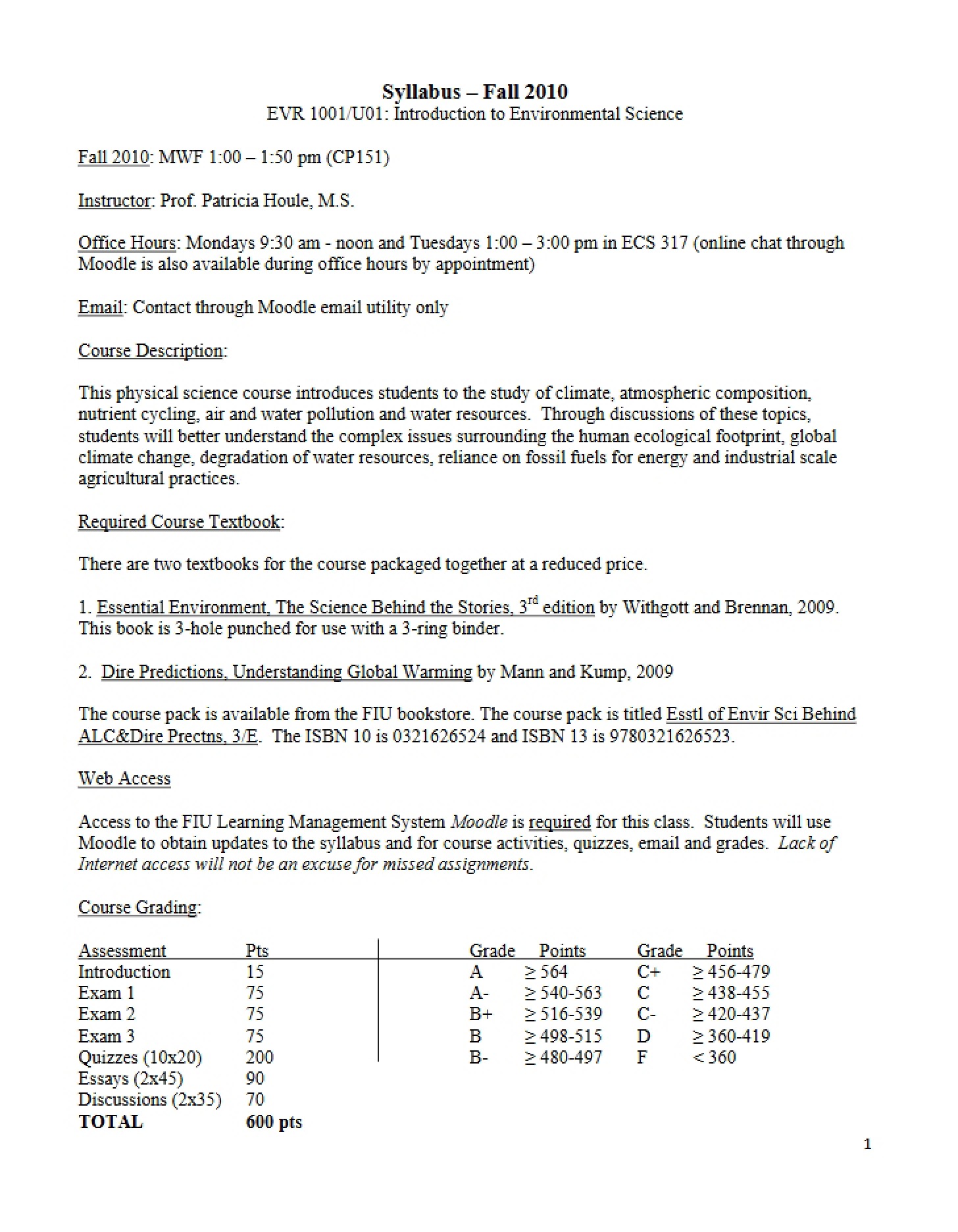
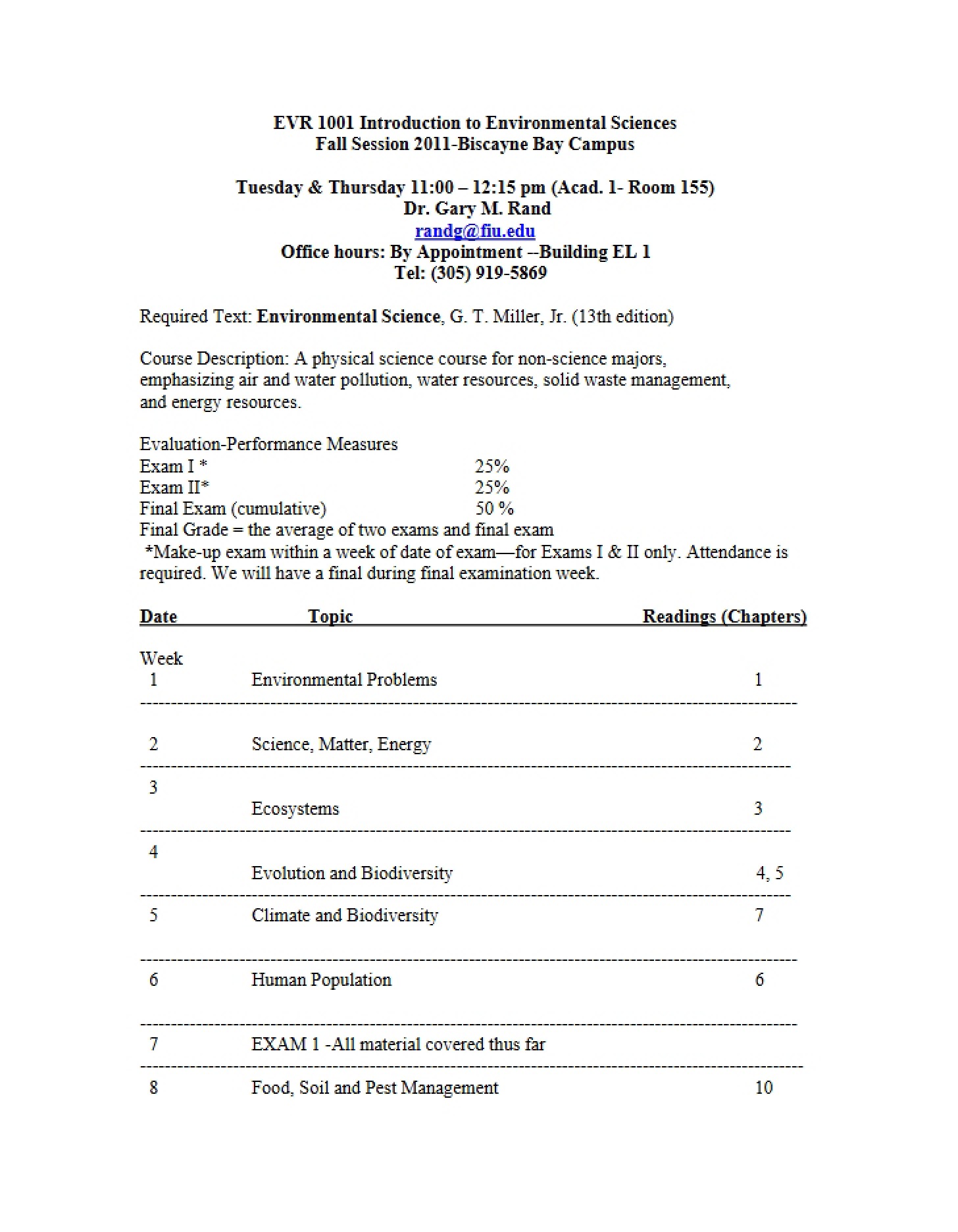
This material is essential for students in an introductory environmental science course, like EVR 1001 at Florida International University. Understanding POPs and biomagnification is crucial for grasping the long-term effects of pollution, food web dynamics, and the interconnectedness of environmental systems. It’s particularly relevant when analyzing real-world environmental problems and potential solutions. This section will be used when studying for exams and completing assignments.
Common Limitations or Challenges
This document provides a focused overview of POPs and biomagnification. It does *not* offer a comprehensive analysis of all pollutants or ecological processes. It also doesn’t provide detailed remediation strategies or policy discussions. Users will still need to engage with broader course materials and conduct further research for a complete understanding. The practice FRQ is a single example and won’t cover all possible question formats.
What This Document Provides
This document includes:
* Definitions of POPs, bioaccumulation, and biomagnification.
* Examples of common POPs (DDT, PCBs, PBDEs, BPA, Dioxins, Phthalates, Perchlorates) and their sources.
* An explanation of how POPs enter and move through ecosystems.
* Information on the health impacts of POPs, particularly related to reproductive systems and cancer.
* A practice FRQ with a sample response, focusing on comparing the impacts of PCBs and nitrates.
This preview does *not* include a full discussion of the 10% rule, detailed chemical structures of POPs, or a complete list of all affected species. It also does not provide a scoring rubric for the FRQ.