What This Document Is
These are comprehensive unit notes for RTV 3007, Development and Structure of Electronic Media and New Technology, offered at the University of Central Florida. This resource delves into the historical foundations and ongoing evolution of non-commercial broadcasting, with a particular focus on the systems and structures that support public media. It examines the forces that shaped its creation and the challenges it continues to face in a dynamic media landscape. These notes are designed to supplement lectures and provide a detailed overview of key concepts.
Why This Document Matters
Students enrolled in RTV 3007 will find these notes invaluable for solidifying their understanding of the course material. They are particularly helpful when preparing for assessments, reviewing complex topics, or seeking a more in-depth exploration of the historical and political factors influencing electronic media. Individuals interested in the business of broadcasting, media policy, or the role of public service media will also benefit from the insights contained within. Accessing the full notes will provide a complete and cohesive understanding of these critical areas.
Topics Covered
* The origins and early development of non-commercial radio and television
* The role of government funding and regulation in public broadcasting
* The structure and operations of key public broadcasting organizations
* The impact of political pressures on content creation and distribution
* Funding models for public media, including government support, grants, and underwriting
* Ownership structures of public television stations
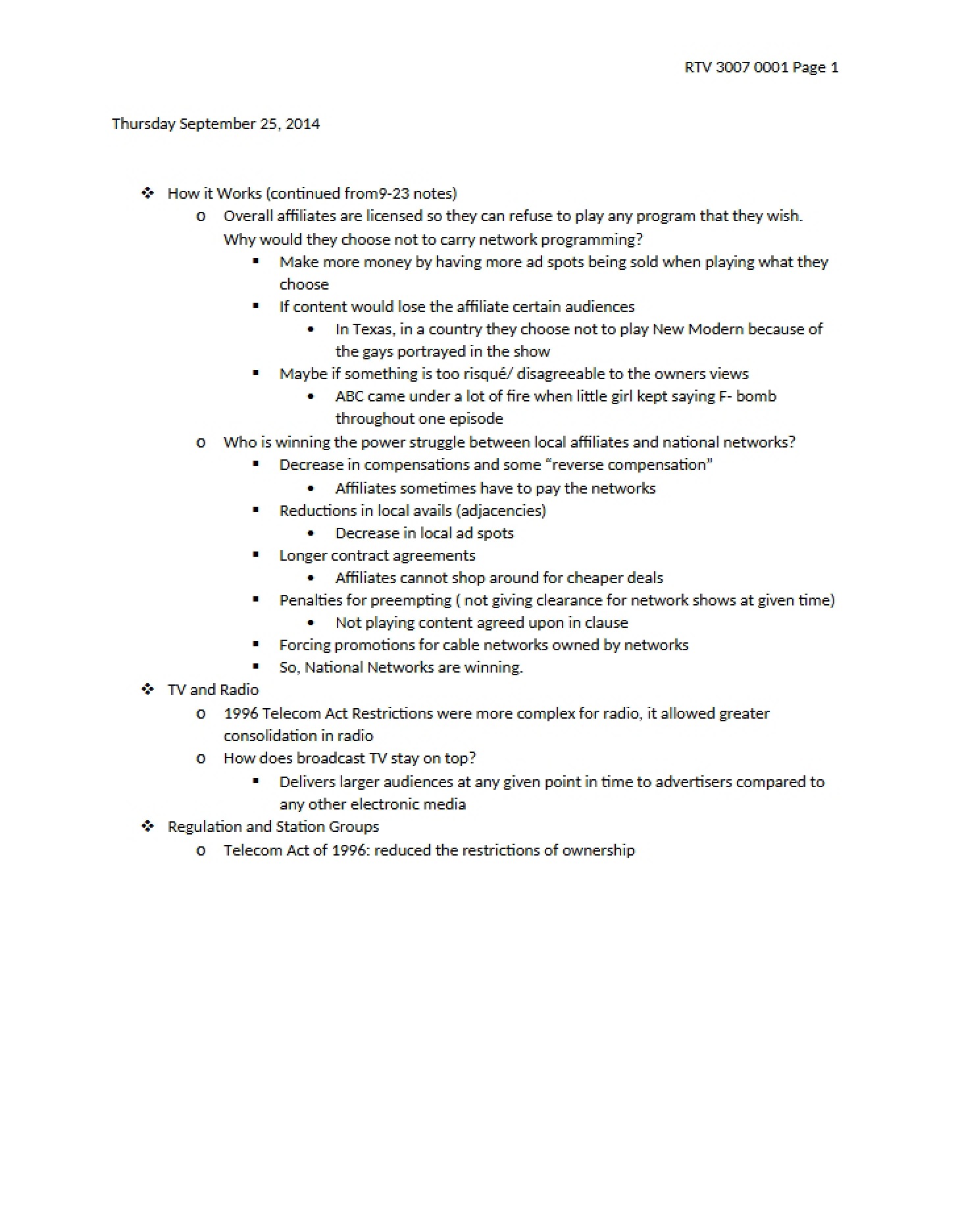
* The relationship between national organizations and local affiliates
What This Document Provides
* A detailed historical timeline of public broadcasting initiatives.
* An overview of the key legislation impacting public media.
* An examination of the organizational structures of prominent public broadcasting entities.
* Insights into the economic realities and funding challenges faced by public broadcasters.
* A breakdown of the different types of entities that own and operate public television stations.
* A foundational understanding of the principles guiding non-commercial broadcasting.