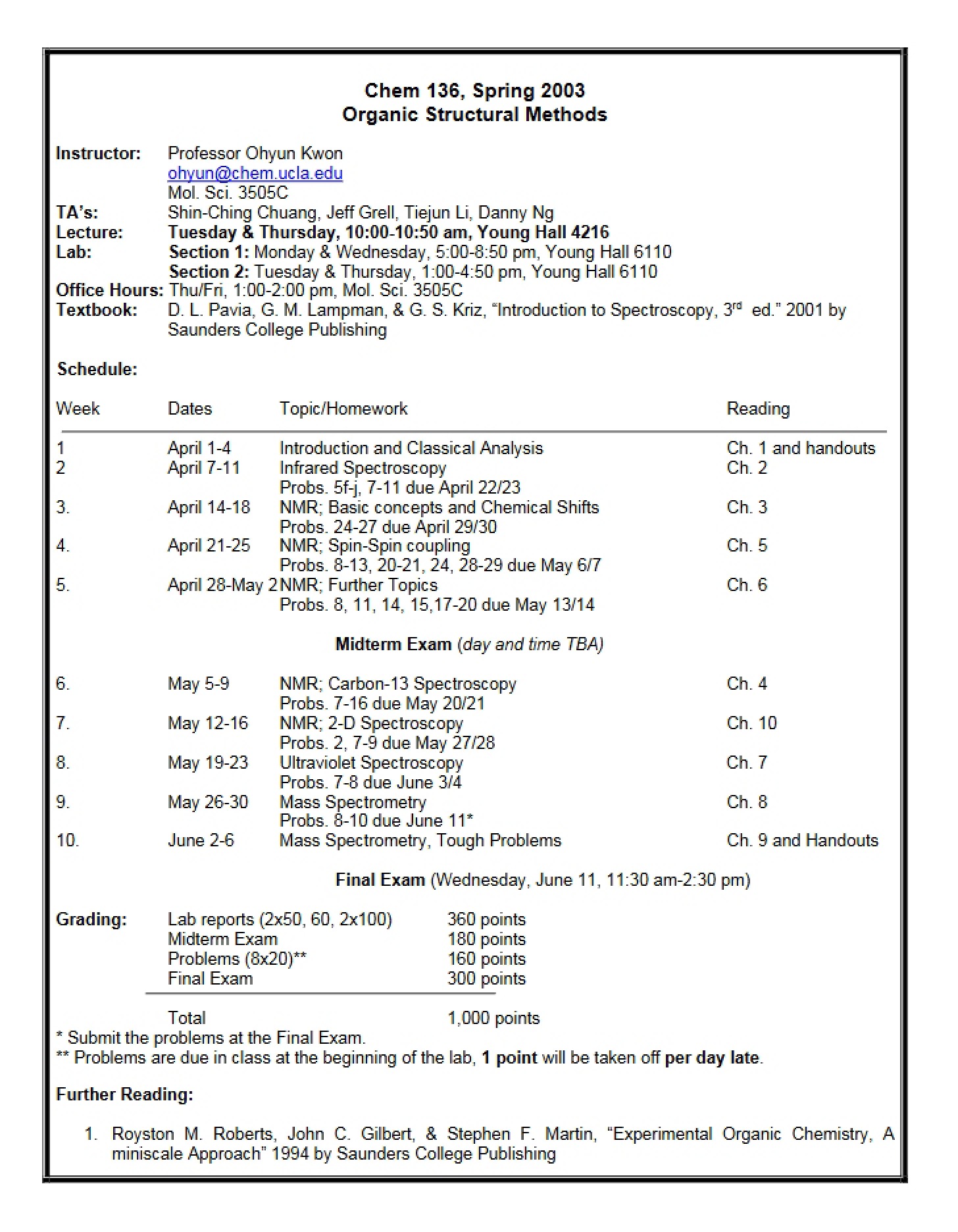
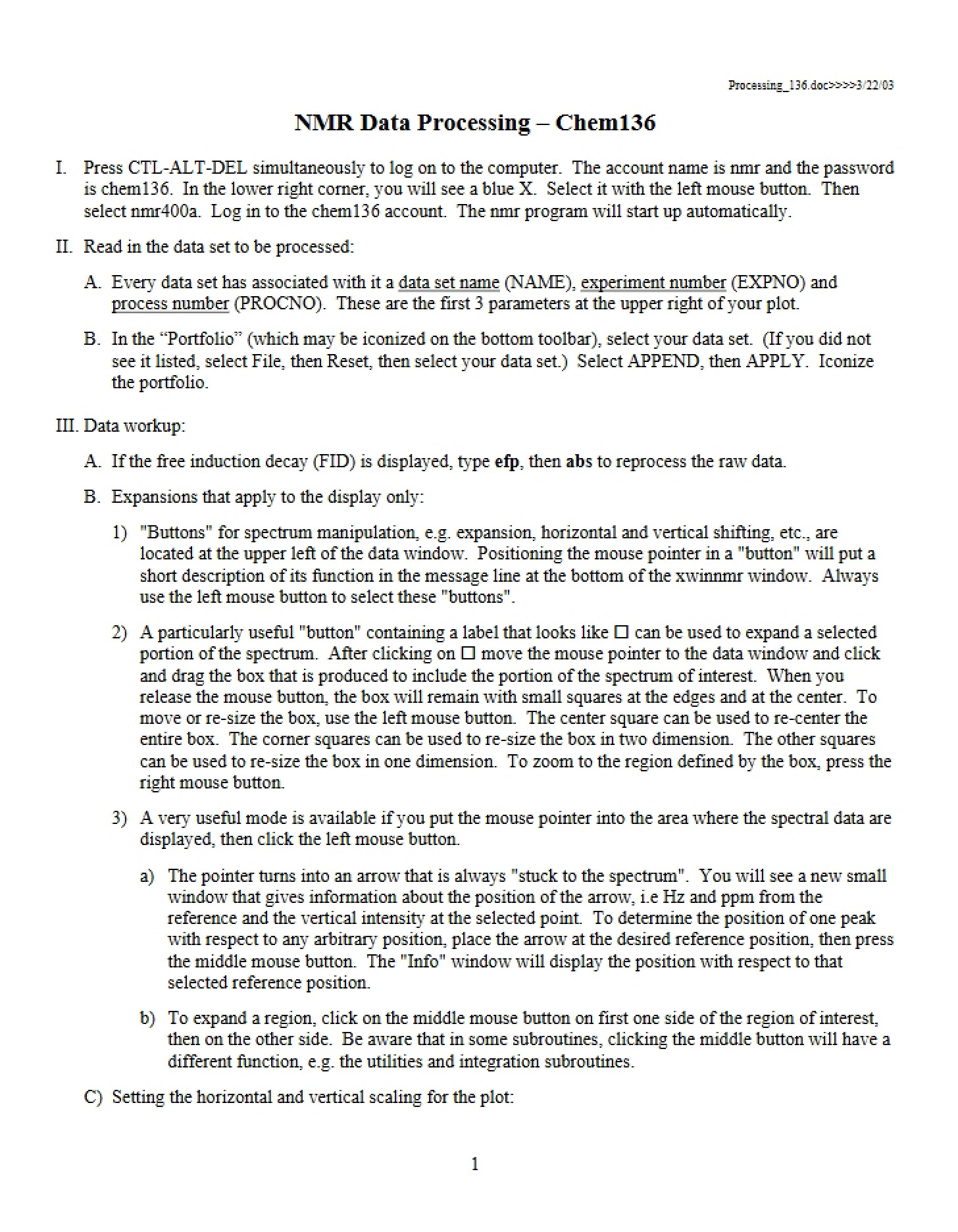
What This Document Is
This document provides a detailed guide for a laboratory experiment in organic chemistry, specifically focusing on the qualitative analysis of unknown organic compounds. It’s designed for students learning fundamental techniques used to identify and classify organic molecules, mirroring historical methods employed before the widespread availability of modern instrumentation. The core of the experiment revolves around systematically determining the structure of an unknown substance through a series of tests and derivative preparation.
Why This Document Matters
This resource is essential for students enrolled in an organic chemistry qualitative analysis course, like CHEM 136 at UCLA. It’s particularly valuable when preparing for lab sessions, needing a reference for experimental procedures, or seeking a deeper understanding of organic compound reactivity. Understanding these classical techniques builds a strong foundation for interpreting data obtained from instrumental analysis methods used in more advanced chemistry studies. It’s ideal for students who want to confidently approach unknown compound identification.
Topics Covered
* Physical property determination (appearance, state, melting/boiling points)
* Solubility testing and its implications for functional group identification
* Functional group classification techniques
* Microscale experimental techniques
* Preparation of chemical derivatives for identification purposes
* Observational skills in chemical reactions
* Deductive reasoning in structure elucidation
What This Document Provides
* A comprehensive overview of the experimental objective and background information.
* Detailed instructions for determining key physical properties of unknown samples.
* Guidance on performing solubility tests to differentiate between compound classes.
* A structured approach to classifying unknown compounds based on their reactivity.
* Information on utilizing specific tests to narrow down potential structures.
* A framework for making observations and interpreting results throughout the experiment.