What This Document Is
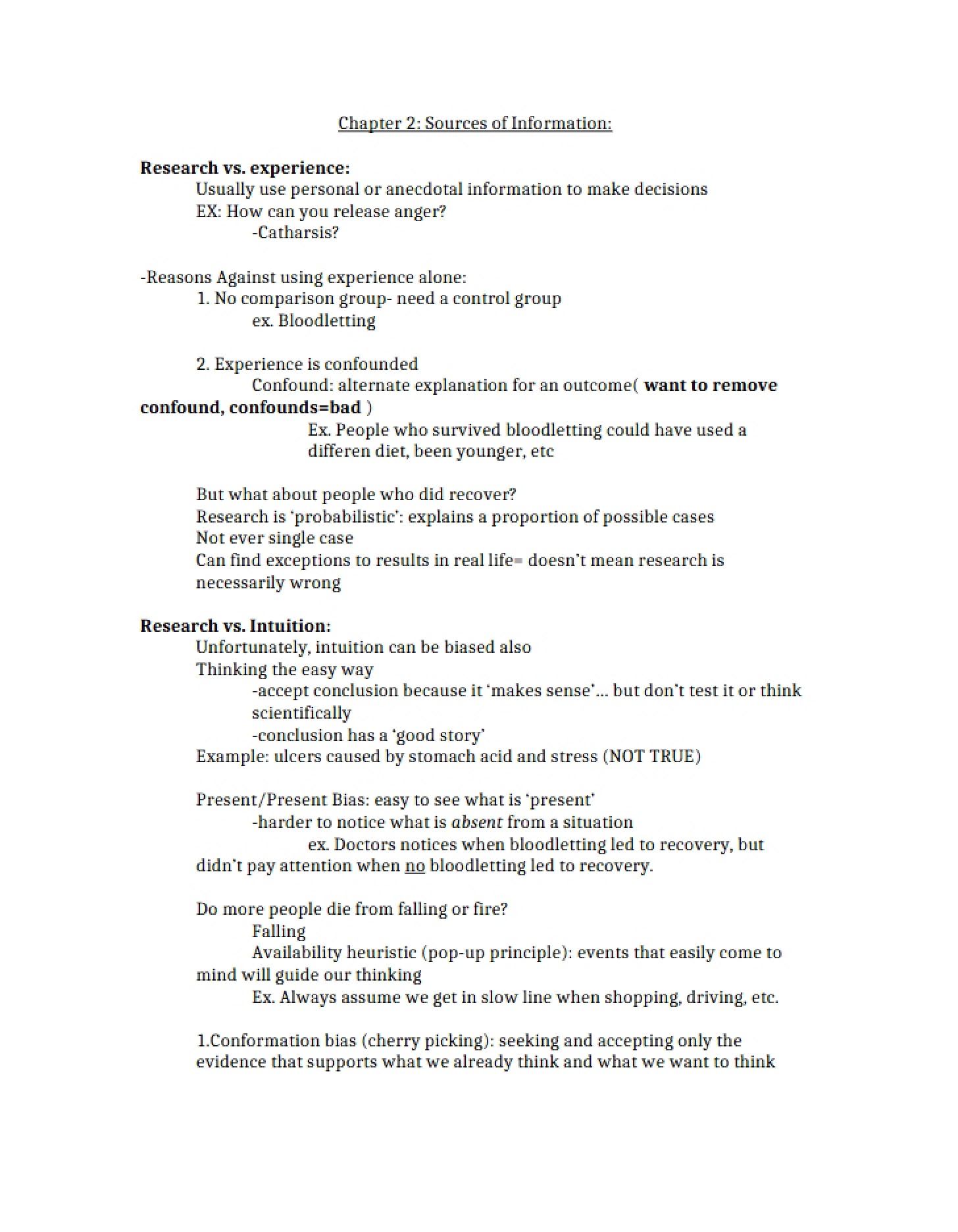
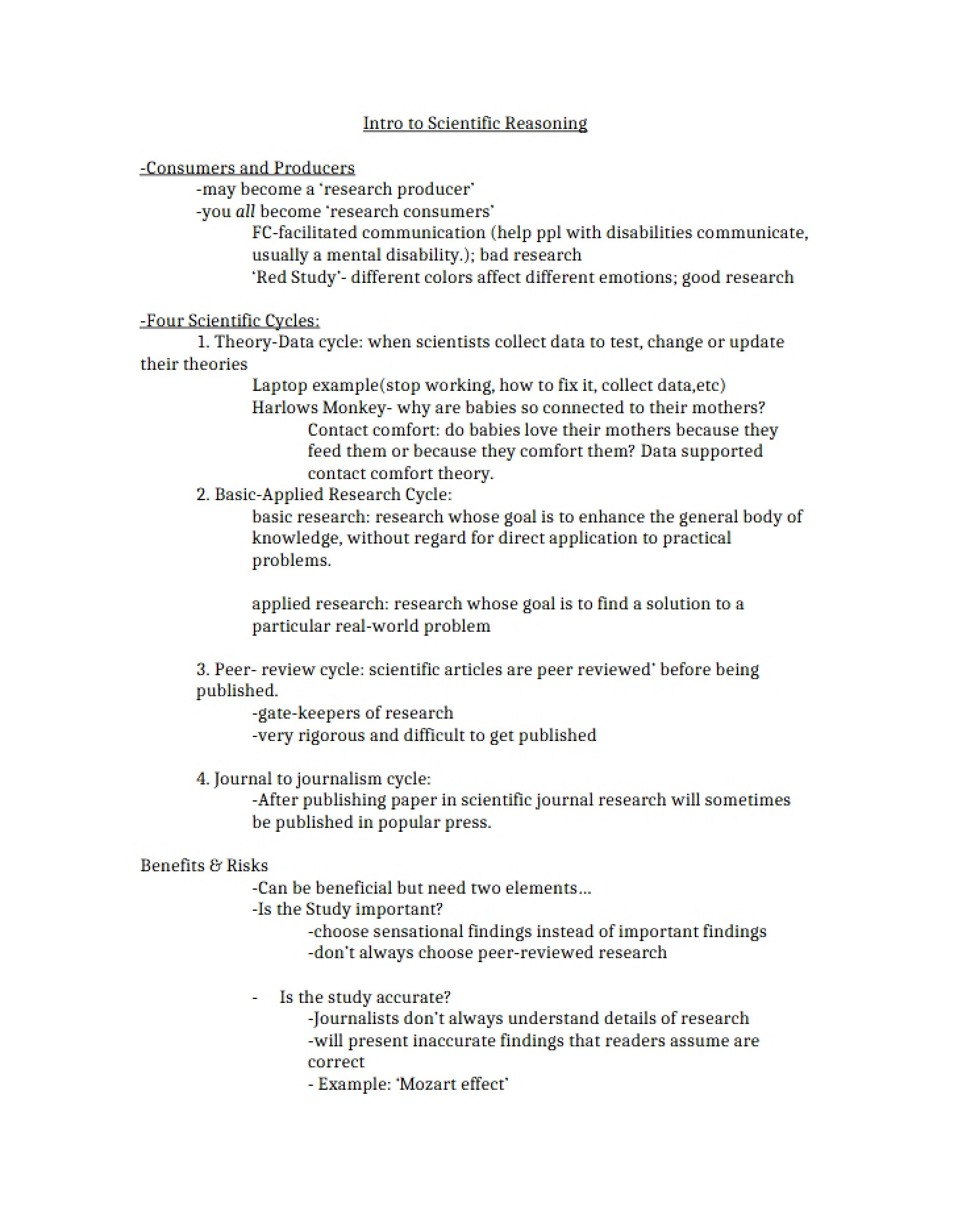
This study guide provides a comprehensive overview of validities and claims within the field of research methods, specifically geared towards students in a psychology course. It delves into the critical thinking skills needed to evaluate research findings and understand the nuances of different types of research claims. This resource is designed to help you become a more informed consumer of information and a more rigorous researcher.
Why This Document Matters
This guide is essential for any student taking a research methods course, particularly those in psychology or related disciplines. It’s most beneficial when you’re learning to interpret research articles, design your own studies, or prepare for exams that assess your understanding of research principles. Understanding these concepts is crucial not only for academic success but also for evaluating information encountered in everyday life. It will empower you to assess the strength and reliability of claims made in the media and elsewhere.
Topics Covered
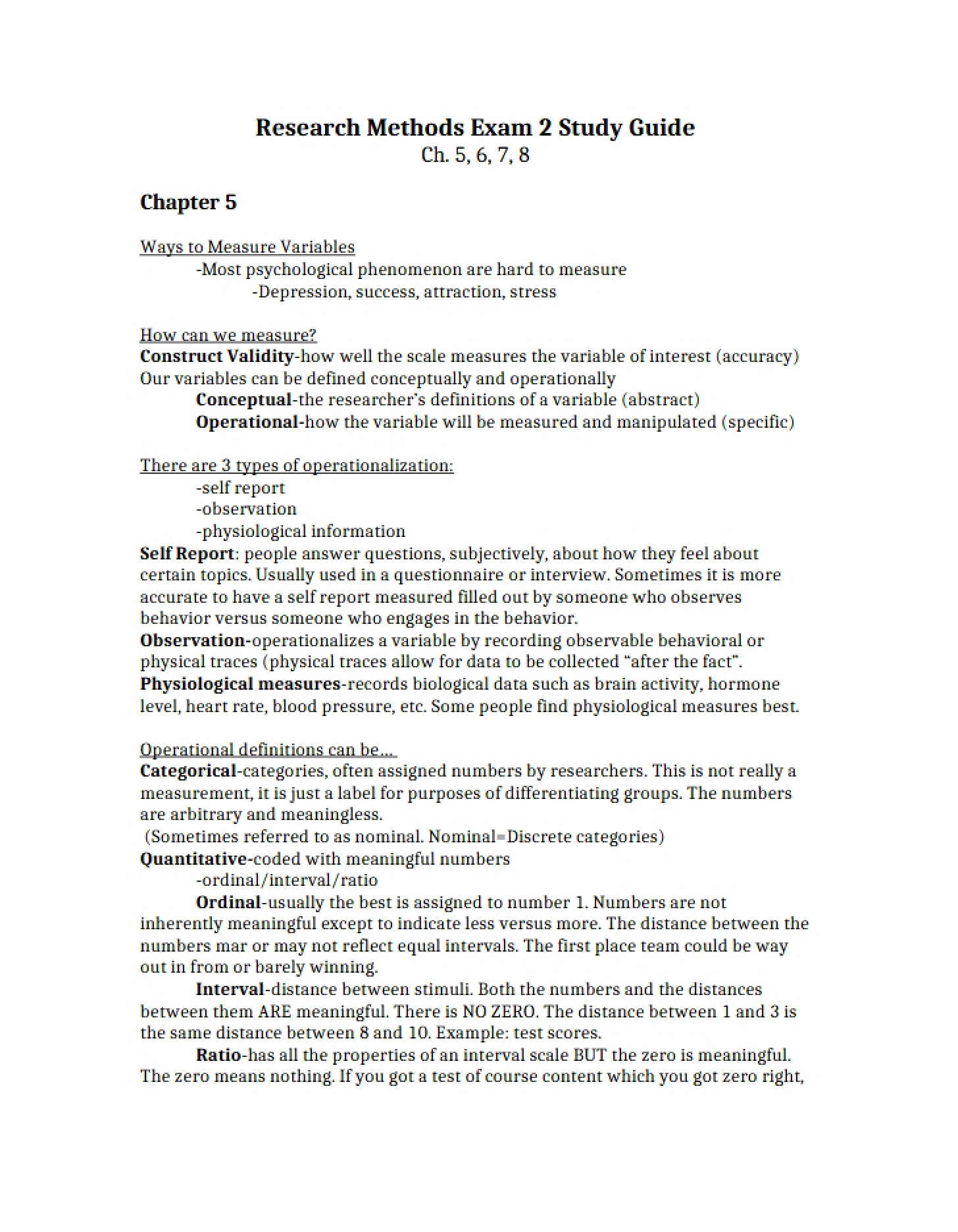
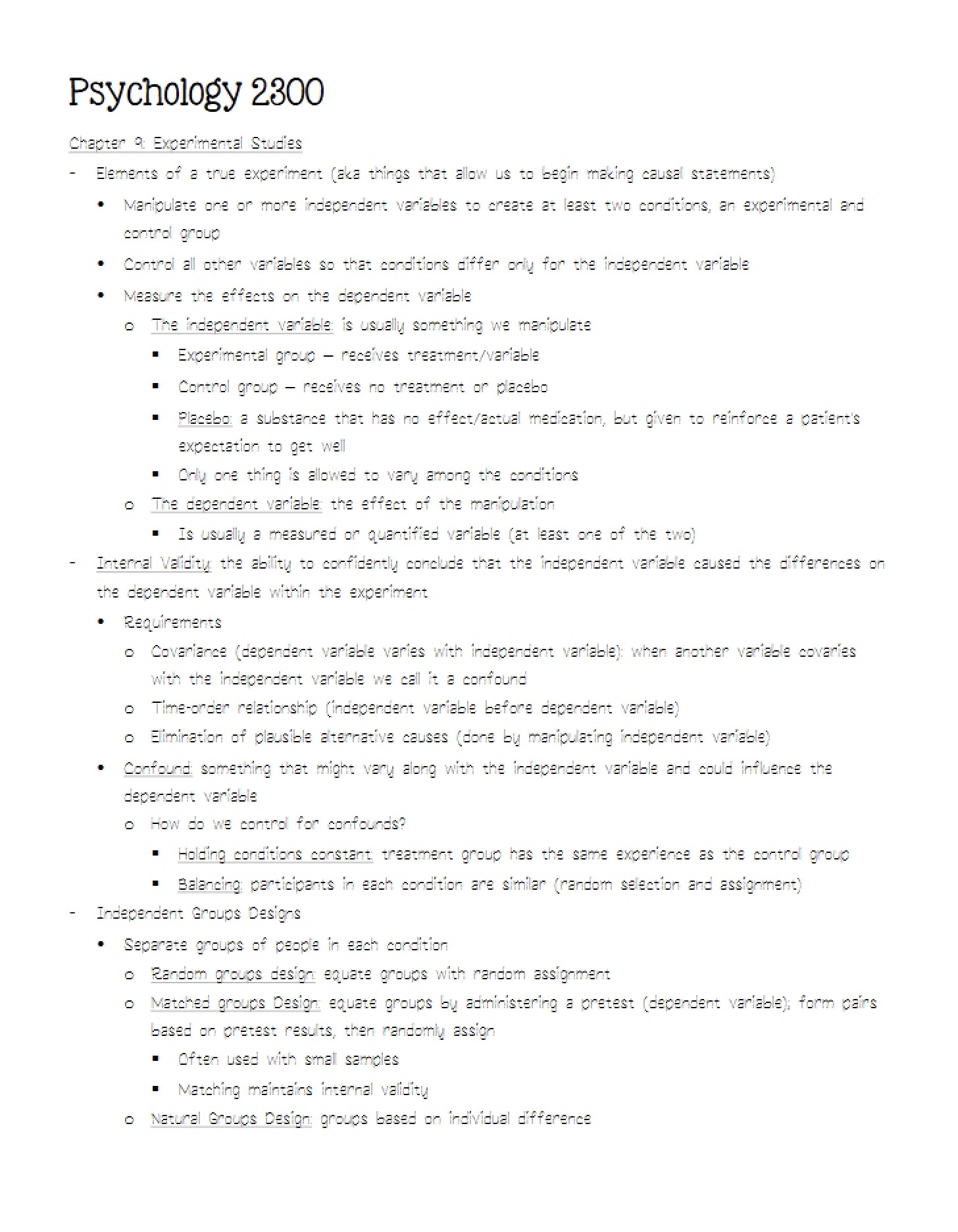
* Defining and differentiating between variables – both those that can be manipulated and those that cannot.
* Conceptual versus operational definitions of key research concepts.
* The three main types of research claims: frequency, association, and causal.
* Understanding correlation and its limitations.
* The importance of different types of validity in research.
* Applying validity principles to evaluate real-world research claims.
* Identifying potential issues in research design and interpretation.
What This Document Provides
* A clear framework for understanding the building blocks of research – variables and claims.
* Guidance on how to critically evaluate the methods used to measure and manipulate variables.
* An exploration of the different ways researchers can establish relationships between variables.
* A detailed look at the four key validities and how they contribute to the overall strength of a research study.
* Tools for interrogating research claims and identifying potential weaknesses.