What This Document Is
This resource is a focused exploration of vector analysis, specifically tailored to its application within the realm of architectural studies and visual representation. It delves into the principles governing vectors – magnitude, direction, and their combined effects – and how these concepts are fundamental to understanding forces and balance in design and artistic composition. The material bridges mathematical principles with their practical application in visual arts, offering a unique perspective for students of Chinese Culture, Art, and Literature where understanding spatial relationships and artistic intent is crucial.
Why This Document Matters
Students enrolled in introductory architecture and art history courses, particularly those examining traditional Chinese artistic forms, will find this material exceptionally valuable. It’s designed to strengthen your foundational understanding of how visual elements interact and convey meaning. This resource is particularly helpful when analyzing structural elements in historical architecture, interpreting artistic representations of force and movement, or preparing to develop your own design projects. It’s best utilized alongside studio work and lectures, serving as a reference for core concepts.
Common Limitations or Challenges
This material focuses specifically on the *analysis* of vectors and their application to visual understanding. It does not provide a comprehensive mathematical treatise on vector calculus, nor does it offer step-by-step instructions for complex calculations. It also doesn’t cover the historical development of vector analysis itself, but rather assumes a need to apply the principles to artistic and architectural contexts. It’s intended as a supporting resource, not a standalone textbook.
What This Document Provides
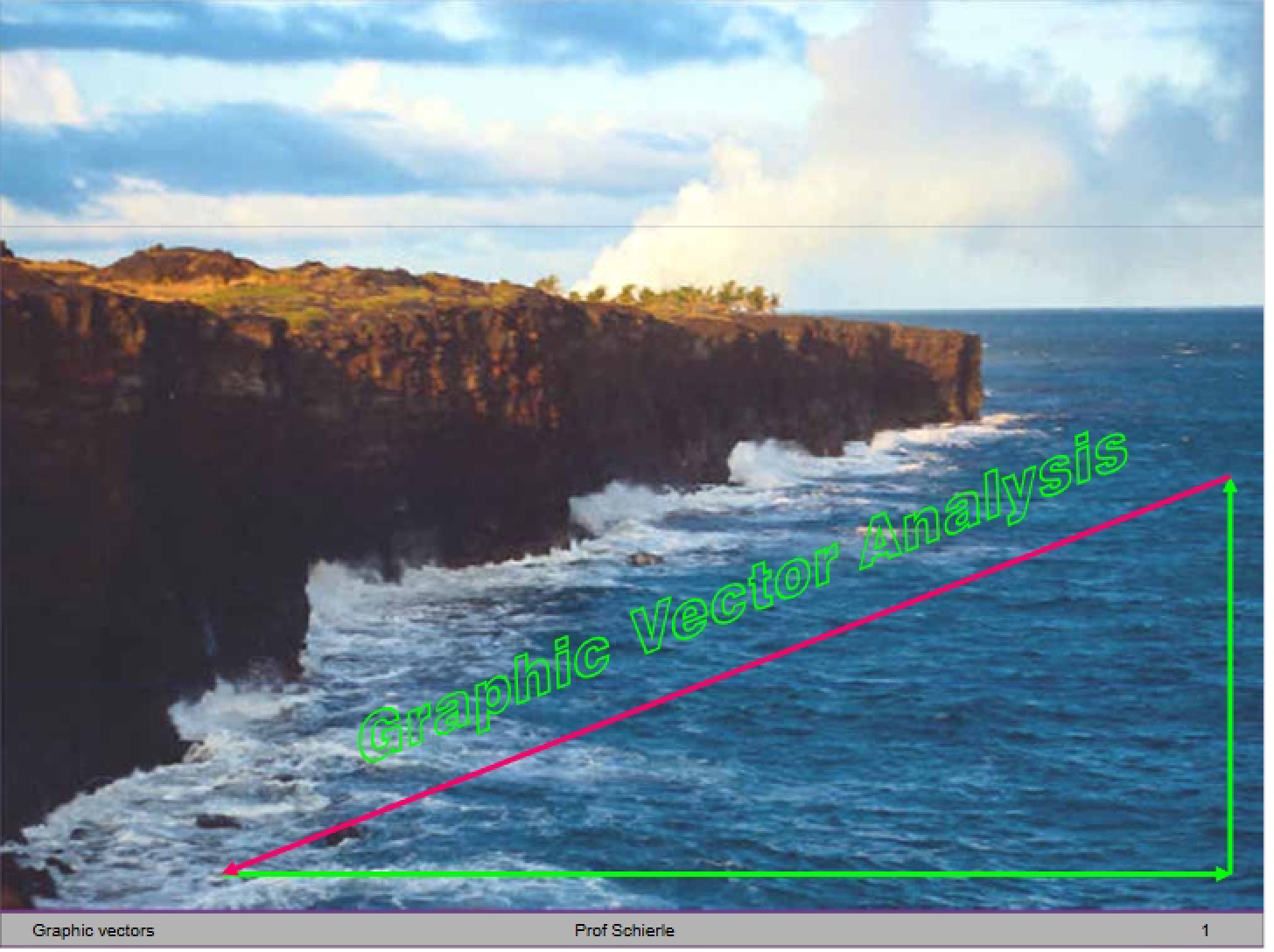
* An examination of graphic vector representation and its relationship to three-dimensional space.
* Discussion of resultant and equilibrant forces and how they relate to stability and balance.
* Exploration of methods for resolving forces into component vectors.
* Consideration of numerical approaches to vector analysis.
* Analysis of various force systems, including those found in cable and structural arrangements.
* Conceptual frameworks for understanding the interplay of forces in visual compositions.