What This Document Is
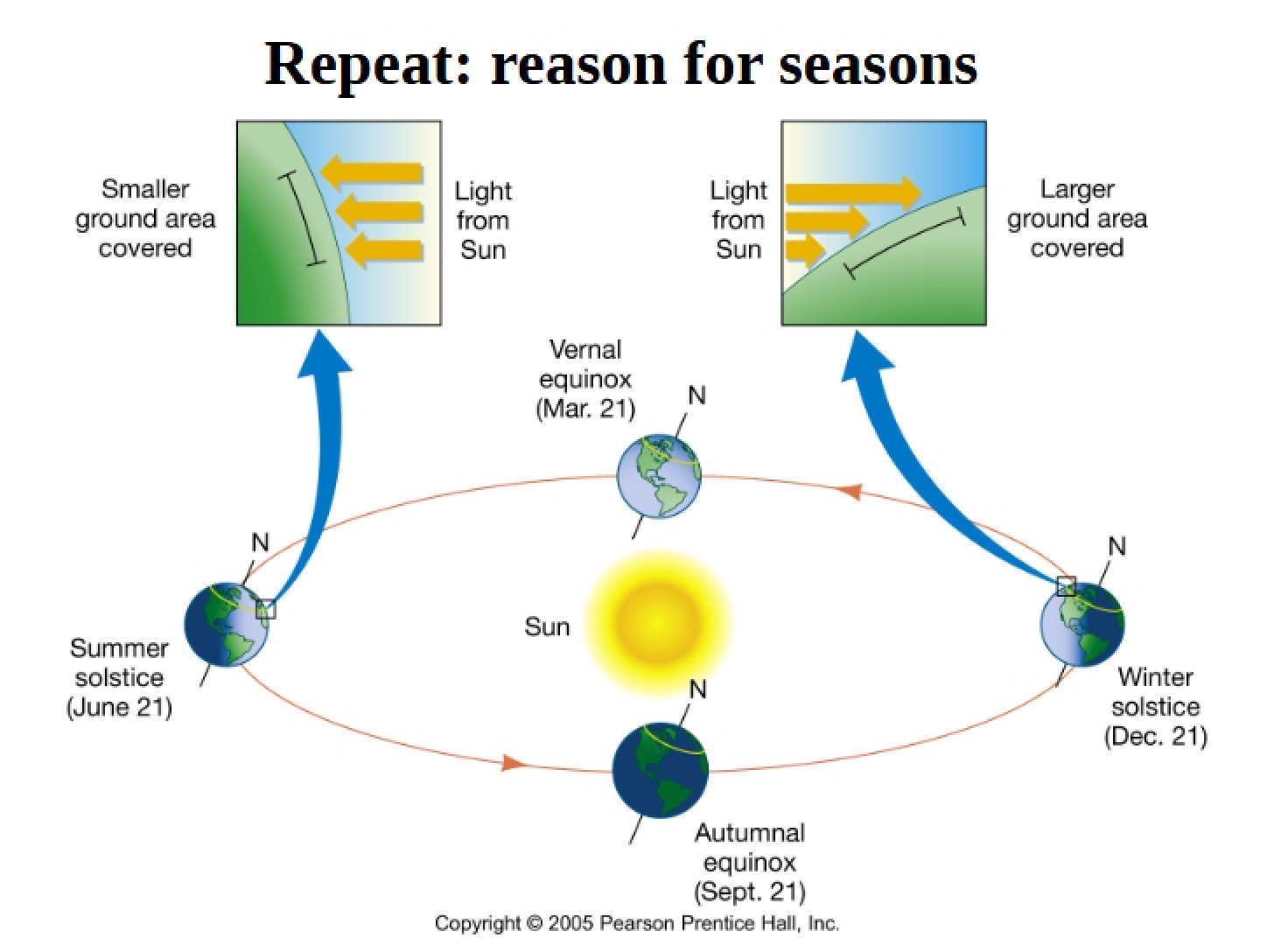
This resource is a recording from a University of Southern California astronomy course (ASTR 100Lxg) delivered on January 12, 2010. It appears to be a lecture-style presentation focusing on foundational concepts in astronomy, specifically relating to stars, planets, and the broader universe. The material introduces core ideas about celestial bodies and their relationships, alongside the methods scientists use to understand them. Visual aids, including diagrams relating to planetary paths and eclipse phenomena, are incorporated throughout.
Why This Document Matters
This recording would be particularly valuable for students enrolled in introductory astronomy courses, or anyone seeking a foundational understanding of the cosmos. It’s ideal for learners who benefit from a visual and conceptual overview of key astronomical principles. Reviewing this material can be helpful when first encountering topics like galactic structures, the scale of the universe, and the scientific process used to explore it. It’s best used as a supplemental resource alongside textbook readings and other course materials to reinforce understanding.
Common Limitations or Challenges
This recording represents a single lecture session and does not constitute a comprehensive course. It will not provide detailed mathematical derivations, in-depth problem-solving examples, or a complete syllabus for the ASTR 100Lxg course. The content is presented from a specific pedagogical approach and may not align perfectly with all learning styles or course structures. Accessing this resource does not grant access to any associated assignments or graded materials.
What This Document Provides
* An introduction to the fundamental relationship between stars and planets.
* A discussion of the large-scale structure of the universe, including galaxies.
* Visual representations of astronomical phenomena.
* An overview of the scientific method as applied to astronomical observation.
* Conceptual groundwork for understanding distance measurements in space.