What This Document Is
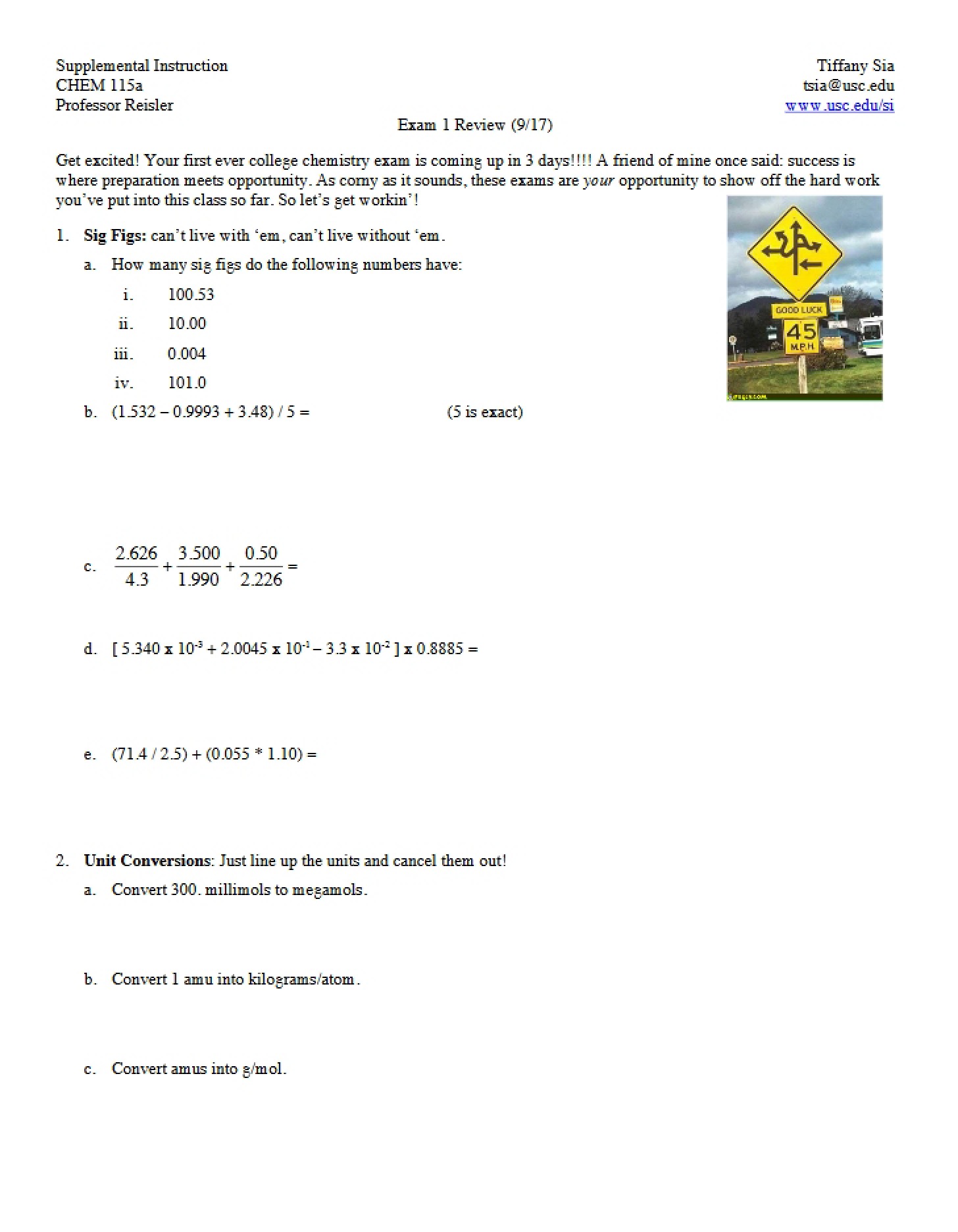
This resource is a supplemental study guide designed to support students enrolled in USC’s CHEM 105 (General Chemistry) course, specifically covering material from Week 2. It’s created as part of the university’s Supplemental Instruction (SI) program, offering a focused review of concepts presented in lectures. The guide aims to reinforce understanding through practice and application, rather than simply re-presenting lecture notes. It begins with an engaging real-world scenario to spark critical thinking related to chemical principles.
Why This Document Matters
This study guide is incredibly valuable for CHEM 105 students who want to proactively strengthen their grasp of foundational chemistry concepts. It’s best utilized *after* attending lectures and attempting initial problem sets, serving as a tool to identify areas needing further clarification. Students who benefit most are those seeking additional practice, a different explanation of key ideas, or a way to connect theoretical knowledge to practical applications. It’s particularly helpful when preparing for quizzes or exams covering the week’s material.
Common Limitations or Challenges
This guide is *not* a replacement for attending lectures, completing assigned readings, or engaging with the professor and teaching assistants. It does not contain the full scope of the week’s lecture content, and it won’t provide step-by-step solutions to homework problems. It’s designed to *supplement* your learning, not to be a standalone resource. Furthermore, it focuses specifically on the topics covered during Week 2 of the course and assumes prior knowledge from previous lectures.
What This Document Provides
* Review of fundamental classifications of matter.
* Exploration of the distinctions between physical and chemical changes.
* Guidance on temperature scale conversions and related formulas.
* A focused section dedicated to understanding and applying significant figures in calculations.
* Practice with dimensional analysis and unit conversions.
* A list of recommended topics for independent review to bolster understanding.
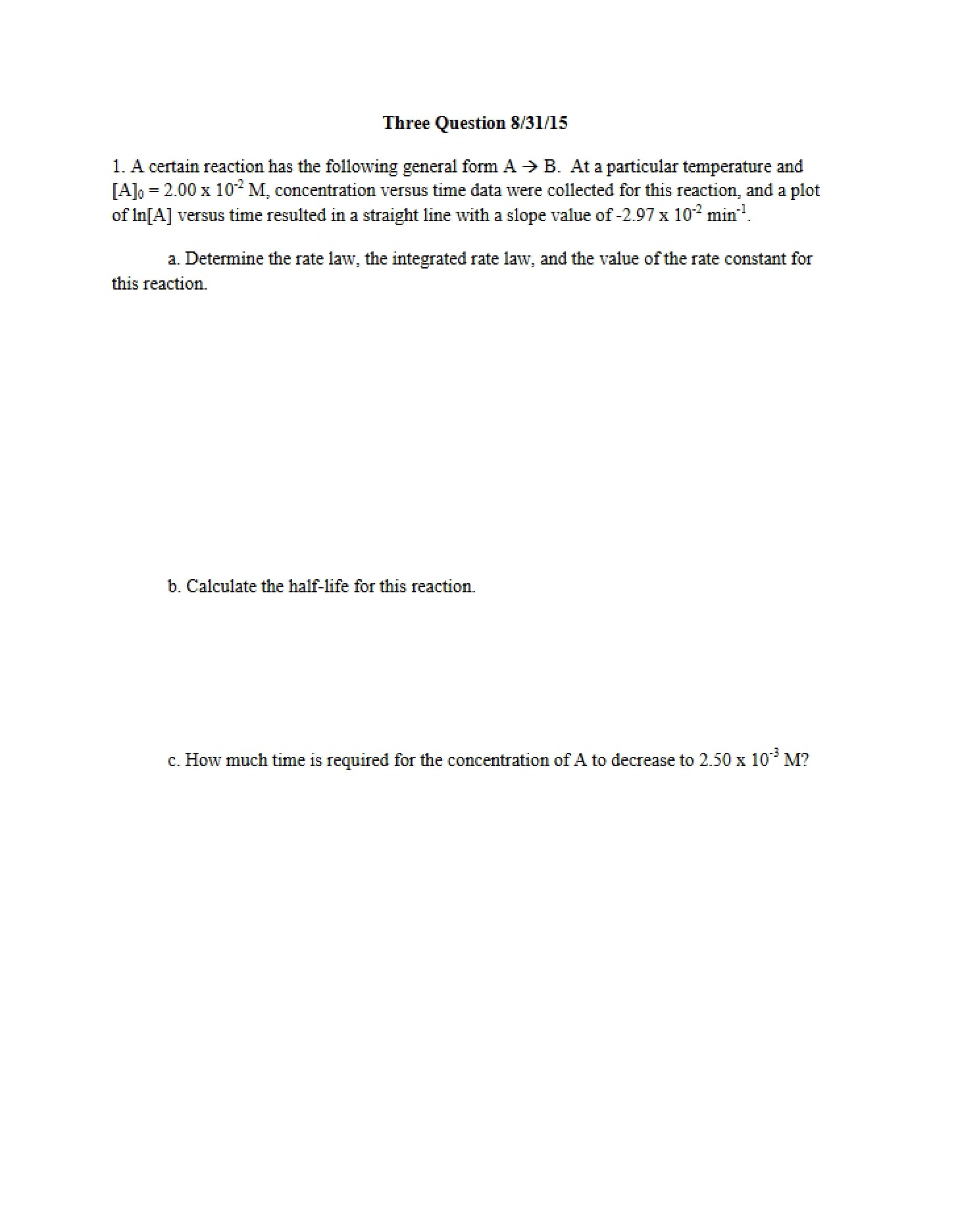
* Practice problems designed to test comprehension of core concepts.