What This Document Is
This study guide delves into the fascinating and complex world of human physiological responses, specifically focusing on performance enhancement and respiratory function. It’s designed for students in an advanced exercise science course, exploring topics that bridge theoretical knowledge with practical applications in athletic performance and overall health. The material builds upon foundational concepts in anatomy and physiology, moving into specialized areas of study.
Why This Document Matters
This resource is ideal for students seeking a deeper understanding of the factors influencing human capabilities. It’s particularly useful when preparing for assessments, reinforcing lecture material, or conducting independent research on ergogenic aids and pulmonary systems. Students interested in careers in sports medicine, athletic training, kinesiology, or related fields will find this material exceptionally valuable. It’s best utilized *after* initial exposure to core concepts in exercise physiology, serving as a detailed expansion of key themes.
Common Limitations or Challenges
This guide provides a focused exploration of specific topics within the science of human performance. It does *not* offer a comprehensive overview of all exercise physiology principles. It also doesn’t include detailed experimental protocols or individualized training recommendations. The information presented is intended for educational purposes and should not be interpreted as medical advice. Furthermore, the rapidly evolving nature of research in this field means some information may be subject to updates.
What This Document Provides
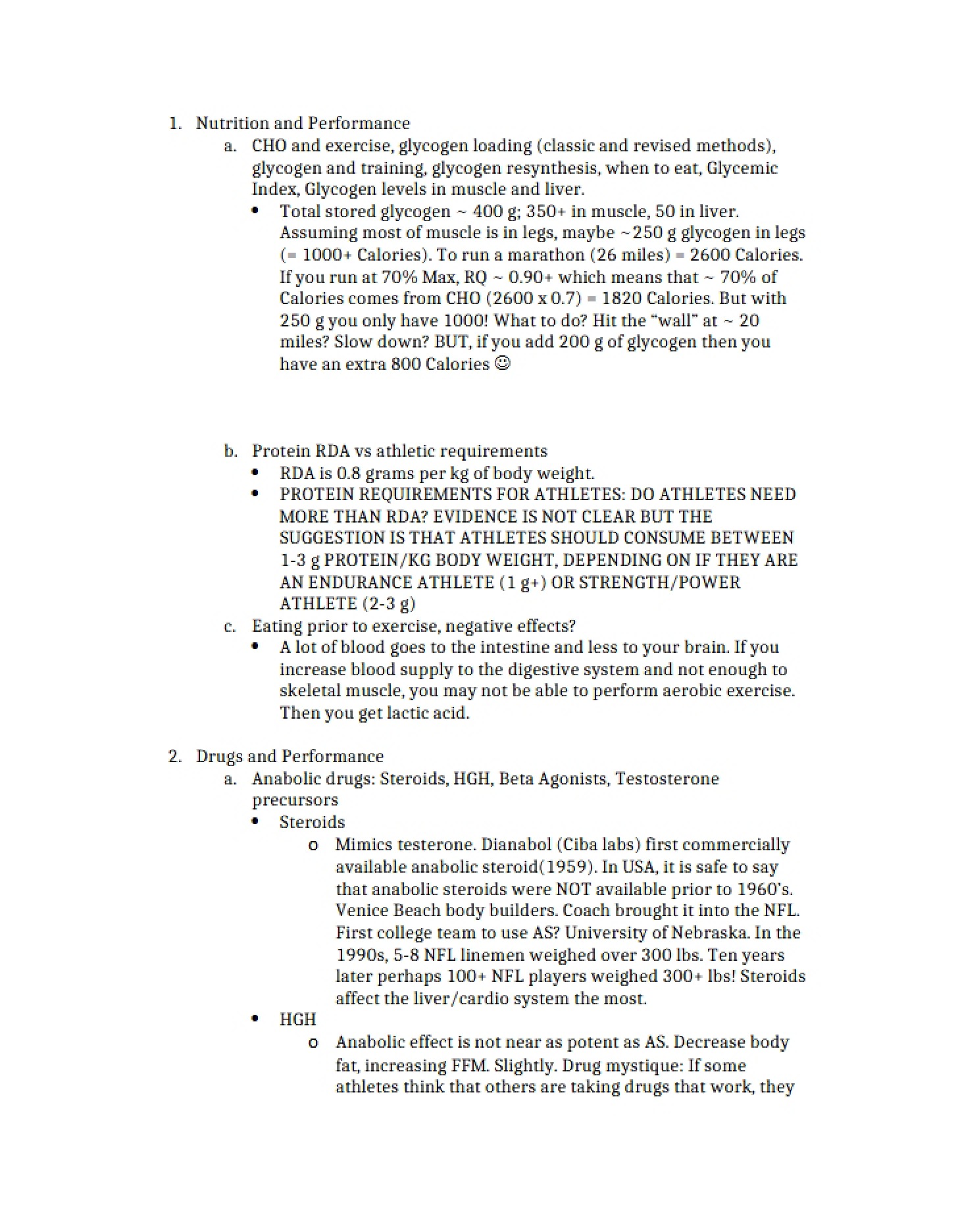
* An overview of various substances and methods used to potentially enhance athletic performance.
* A discussion of the physiological mechanisms related to respiratory processes.
* Exploration of the structural components of the respiratory system and their functions.
* Consideration of factors impacting lung capacity and efficiency.
* Insights into the interplay between physiological systems during exercise.
* Examination of cellular processes related to muscle function and adaptation.