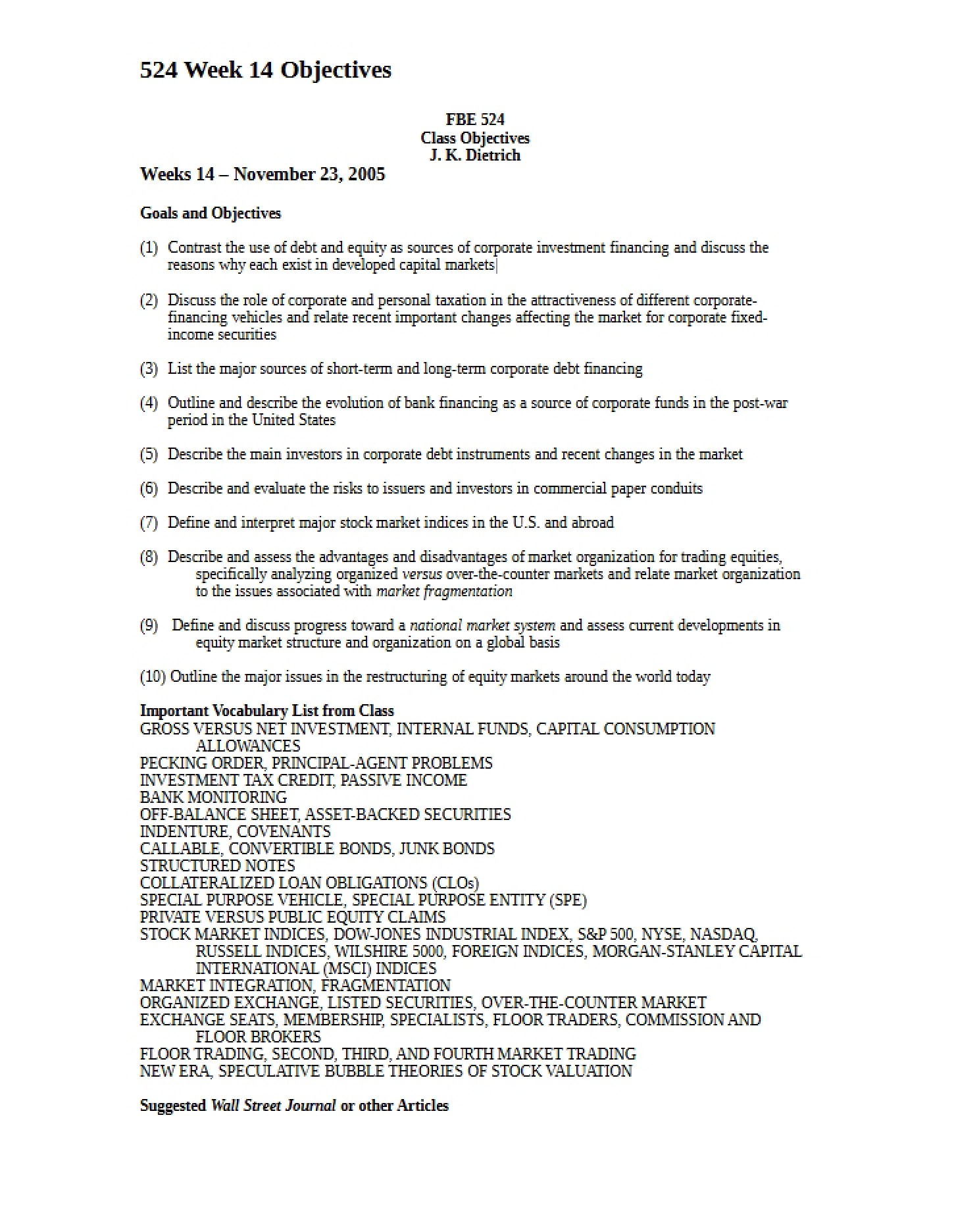
What This Document Is
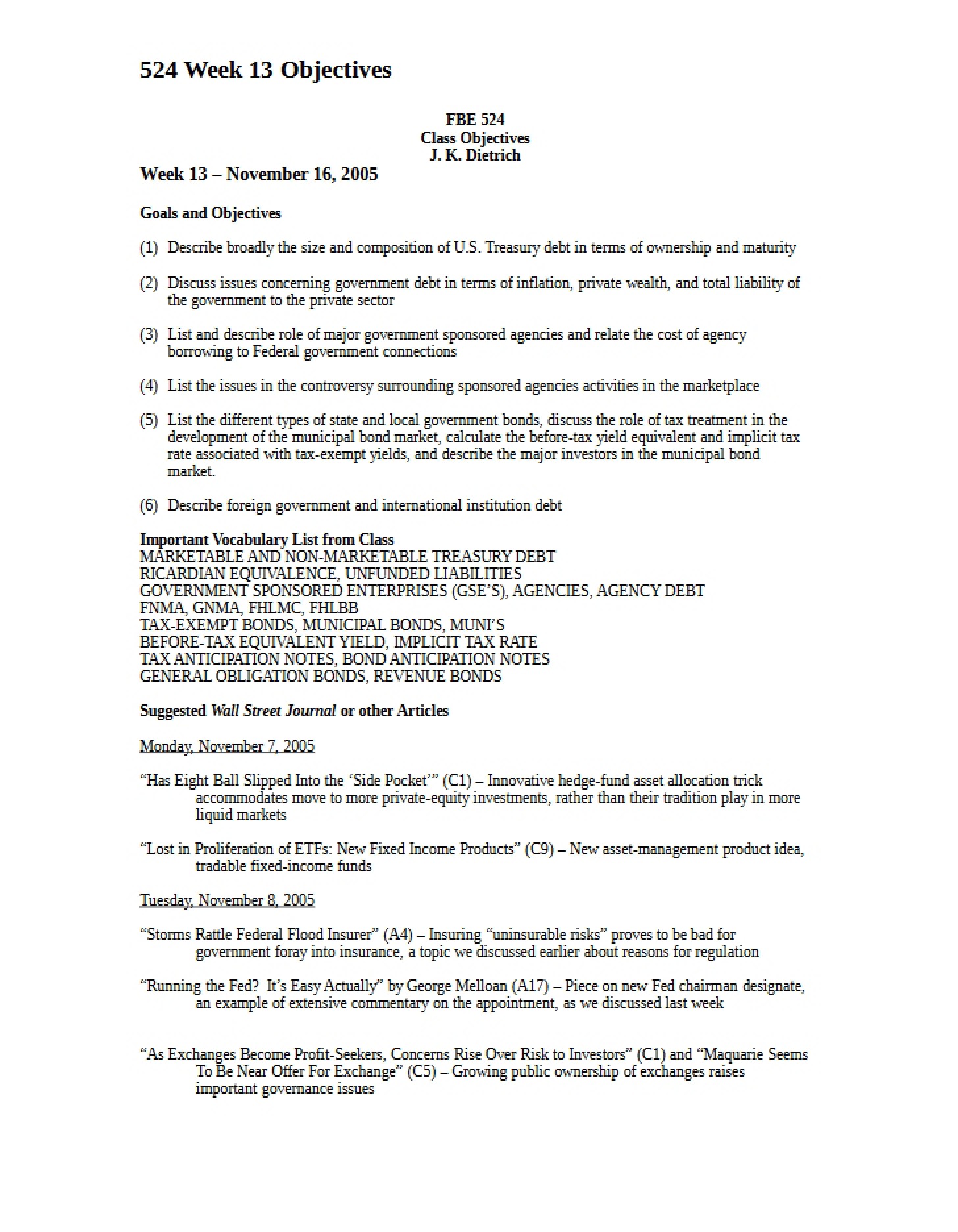
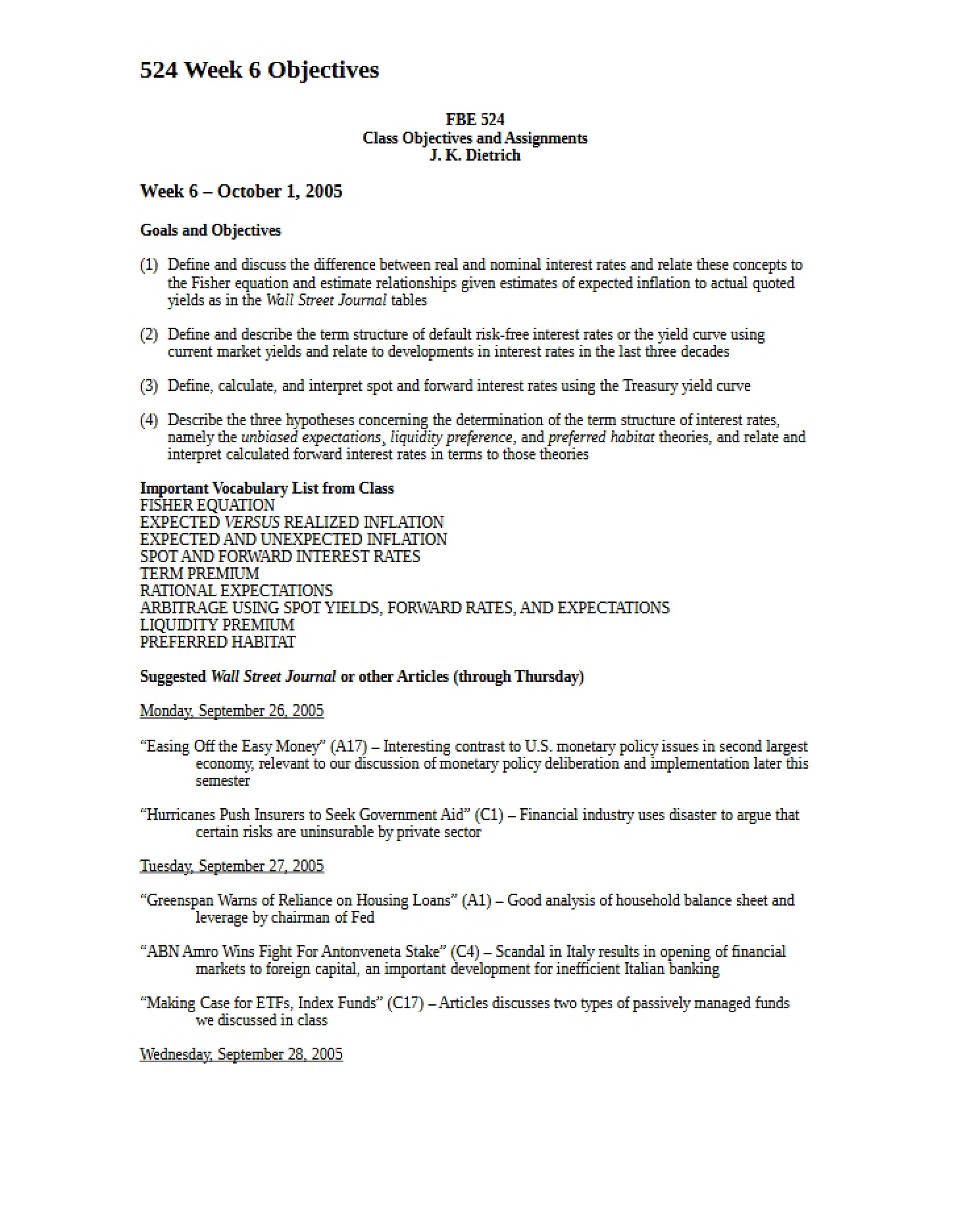
This material represents course content from Money and Capital Markets (FBE 524) at the University of Southern California, specifically for Week Nine of the 2005 curriculum. It’s a focused exploration of interest rate risk – a critical concept for anyone involved in financial markets, corporate finance, or investment management. The content delves into the factors influencing interest rates and the potential impact on financial instruments and institutional balance sheets. It examines strategies for understanding and mitigating the risks associated with fluctuating interest rates.
Why This Document Matters
Students enrolled in advanced finance courses, particularly those focusing on fixed income securities, risk management, or financial institutions, will find this material highly relevant. Professionals working in banking, investment banking, asset management, or corporate treasury roles will also benefit from a deeper understanding of the principles discussed. This resource is particularly useful when you’re seeking to build a strong theoretical foundation in interest rate risk management and explore the tools available to address it. It’s ideal for supplementing lectures and textbook readings, and for preparing for more complex analyses.
Common Limitations or Challenges
This material provides a conceptual overview and foundational understanding of interest rate risk. It does *not* offer real-time market data, specific investment recommendations, or detailed case studies with solved examples. It also doesn’t cover the very latest developments in financial instruments or regulatory changes that may have occurred since 2005. The content is designed to build understanding, not to provide immediately actionable trading strategies.
What This Document Provides
* An examination of the core components that determine interest rates.
* An overview of how interest rate changes impact the value of assets and liabilities.
* Discussion of balance sheet risk and its relationship to interest rate sensitivity.
* Exploration of techniques for hedging interest rate risk, including duration matching.
* Introduction to the use of financial instruments like swaps for risk management.
* A foundational understanding of derivative contracts and their role in managing financial exposures.
* An overview of different types of derivative contracts, including futures, options, and swaps.