What This Document Is
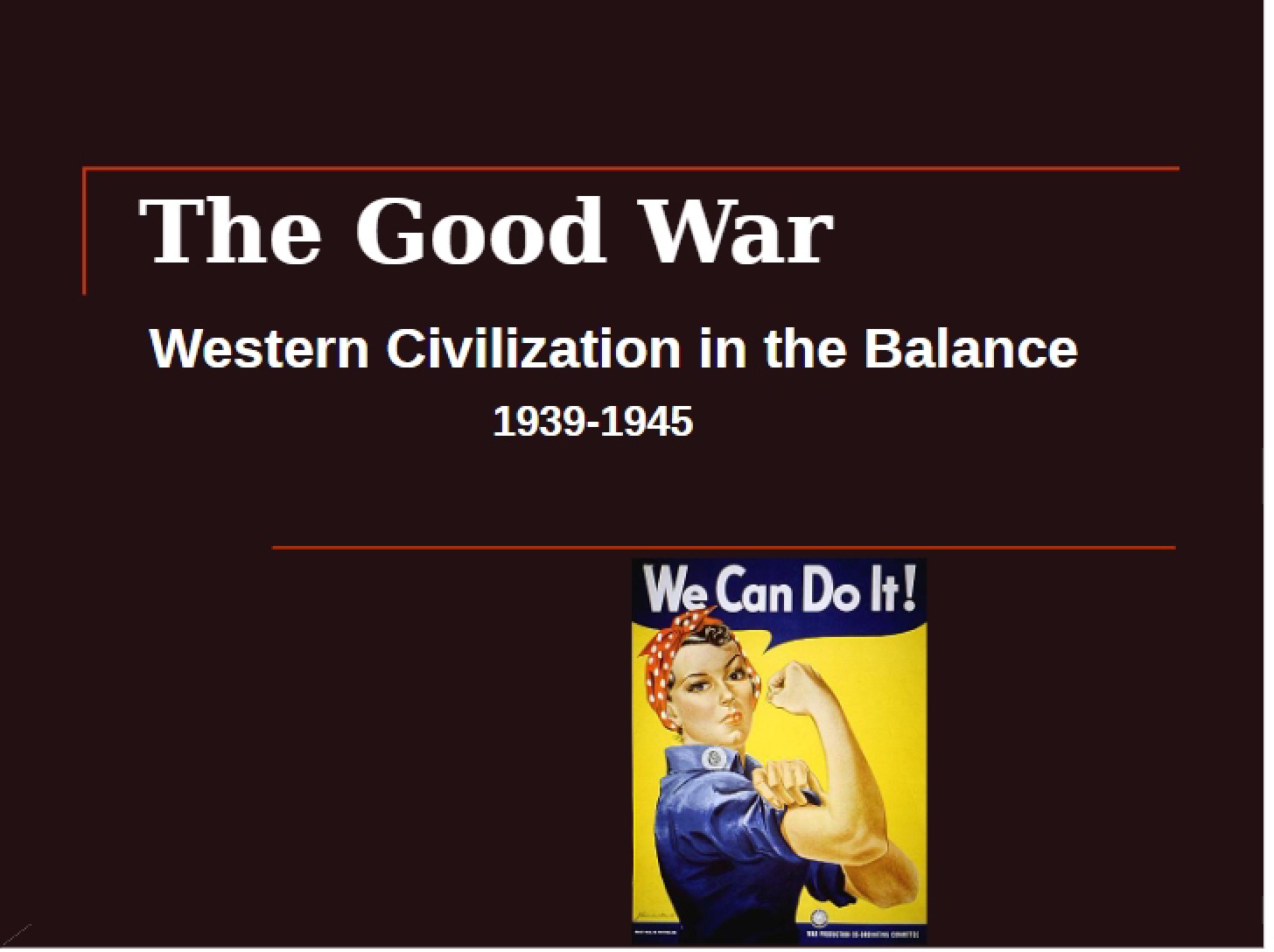
This is a comprehensive study guide focusing on a critical period in Western Civilization: Germany between 1919 and 1945. It delves into the complex political, social, and cultural factors that contributed to the rise of extremist ideologies and ultimately, the devastating events of World War II. The guide examines the failures of post-WWI governance and the conditions that allowed for the emergence of totalitarian regimes. It also explores the broader context of societal shifts and intellectual currents of the time.
Why This Document Matters
Students enrolled in HY 102 – History of Western Civilization II at the University of South Alabama will find this resource particularly valuable. It’s ideal for those preparing for exams, writing essays, or seeking a deeper understanding of the forces that shaped 20th-century Europe. This guide is especially helpful for students grappling with the causes and consequences of fascism, the interwar period, and the factors leading to widespread conflict. It’s designed to supplement lectures and textbook readings, offering a focused analysis of this pivotal era.
Common Limitations or Challenges
This study guide provides a detailed overview and analytical framework, but it does not offer a substitute for primary source engagement or in-depth research. It won’t provide definitive answers to complex historical debates, but rather equips you with the context to form your own informed opinions. It also doesn’t include a complete historical narrative of the entire period; instead, it concentrates on specific themes and developments within Germany.
What This Document Provides
* An exploration of the ideological foundations of fascism and its appeal in the post-WWI era.
* An analysis of the Weimar Republic – its strengths, weaknesses, and ultimate collapse.
* Insights into the factors contributing to the rise of the Nazi party and its consolidation of power.
* A discussion of the cultural and social transformations that occurred under the Third Reich.
* Examination of key events and policies implemented during this period.
* Consideration of the concept of “the banality of evil” and its relevance to understanding historical atrocities.