What This Document Is
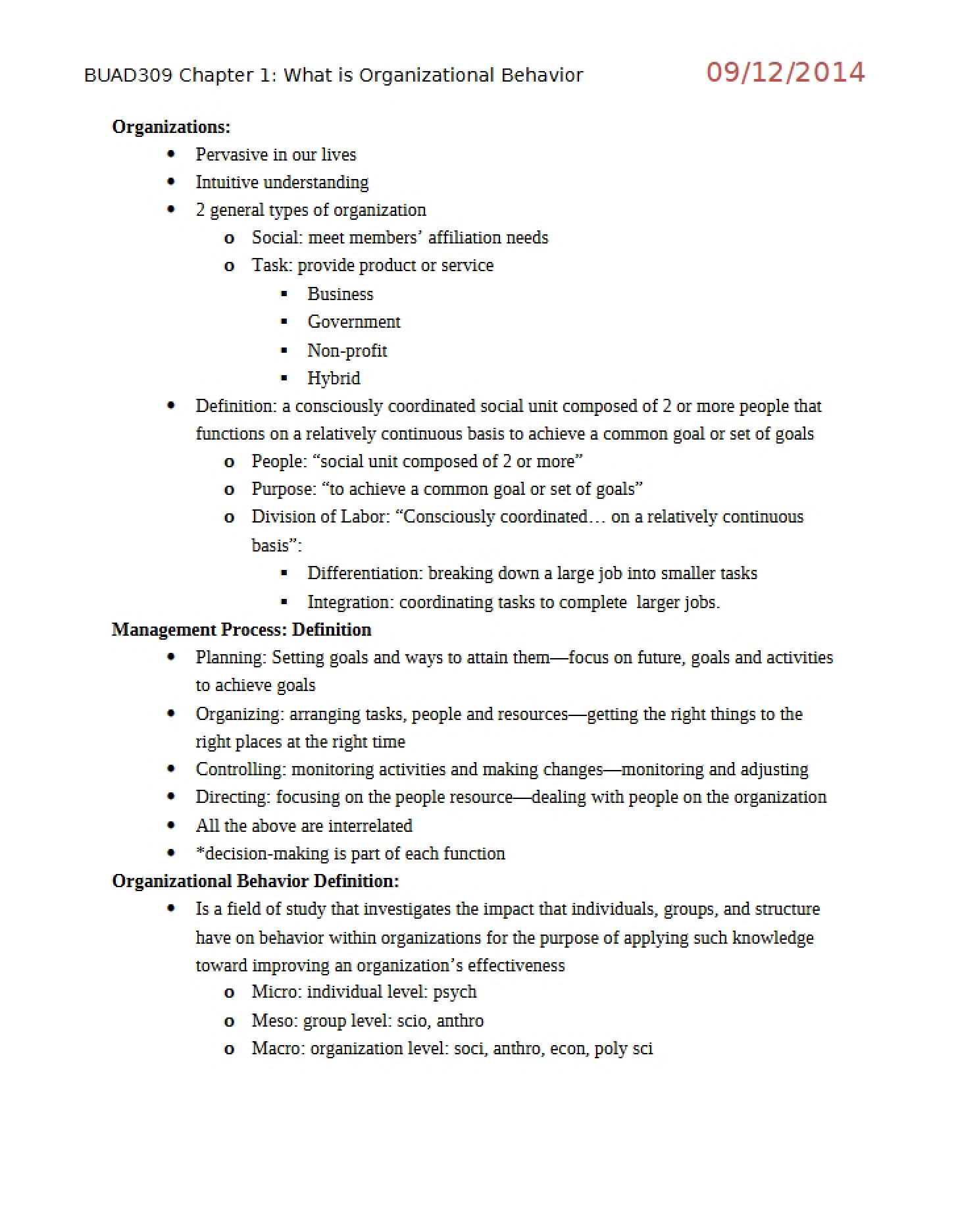
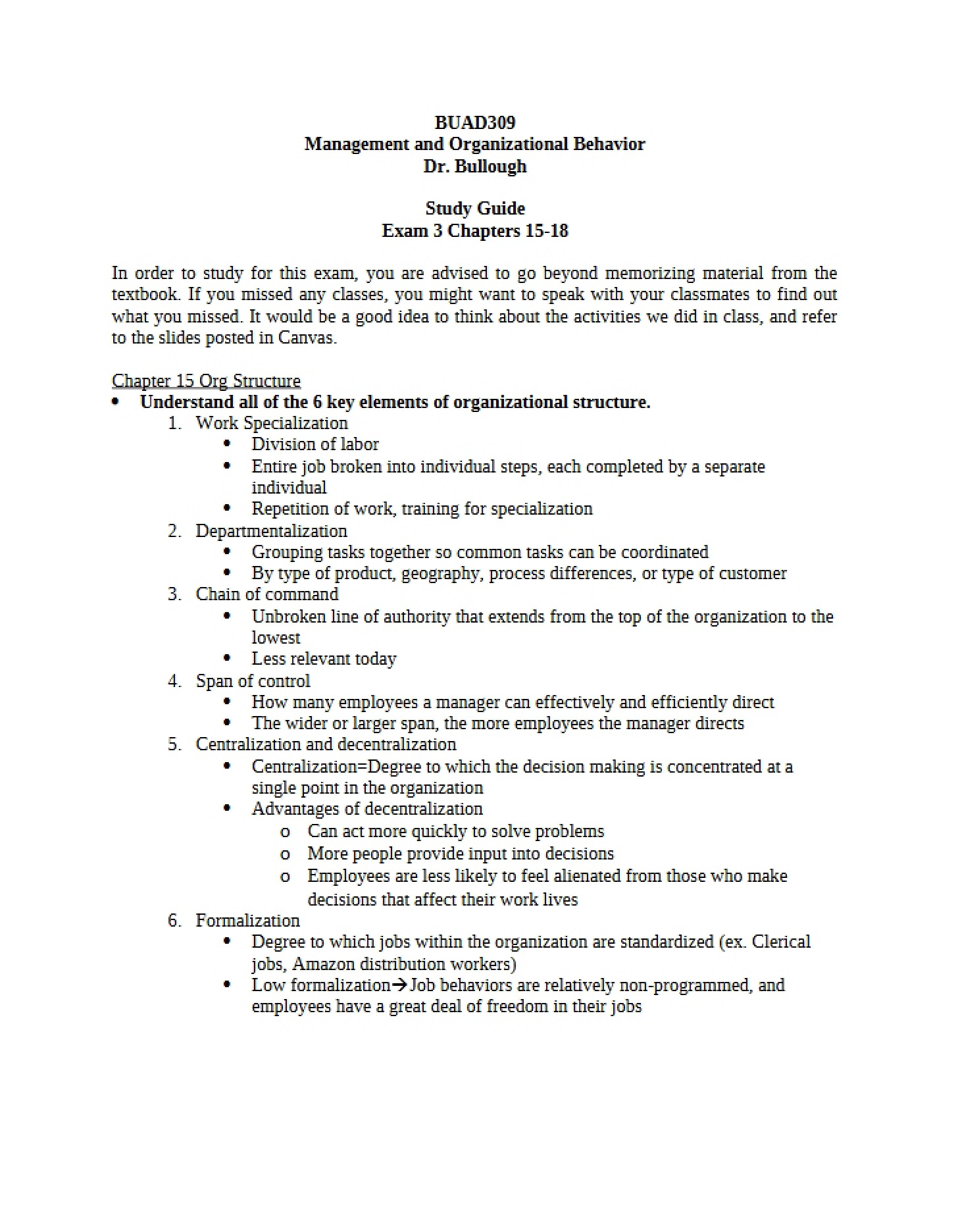
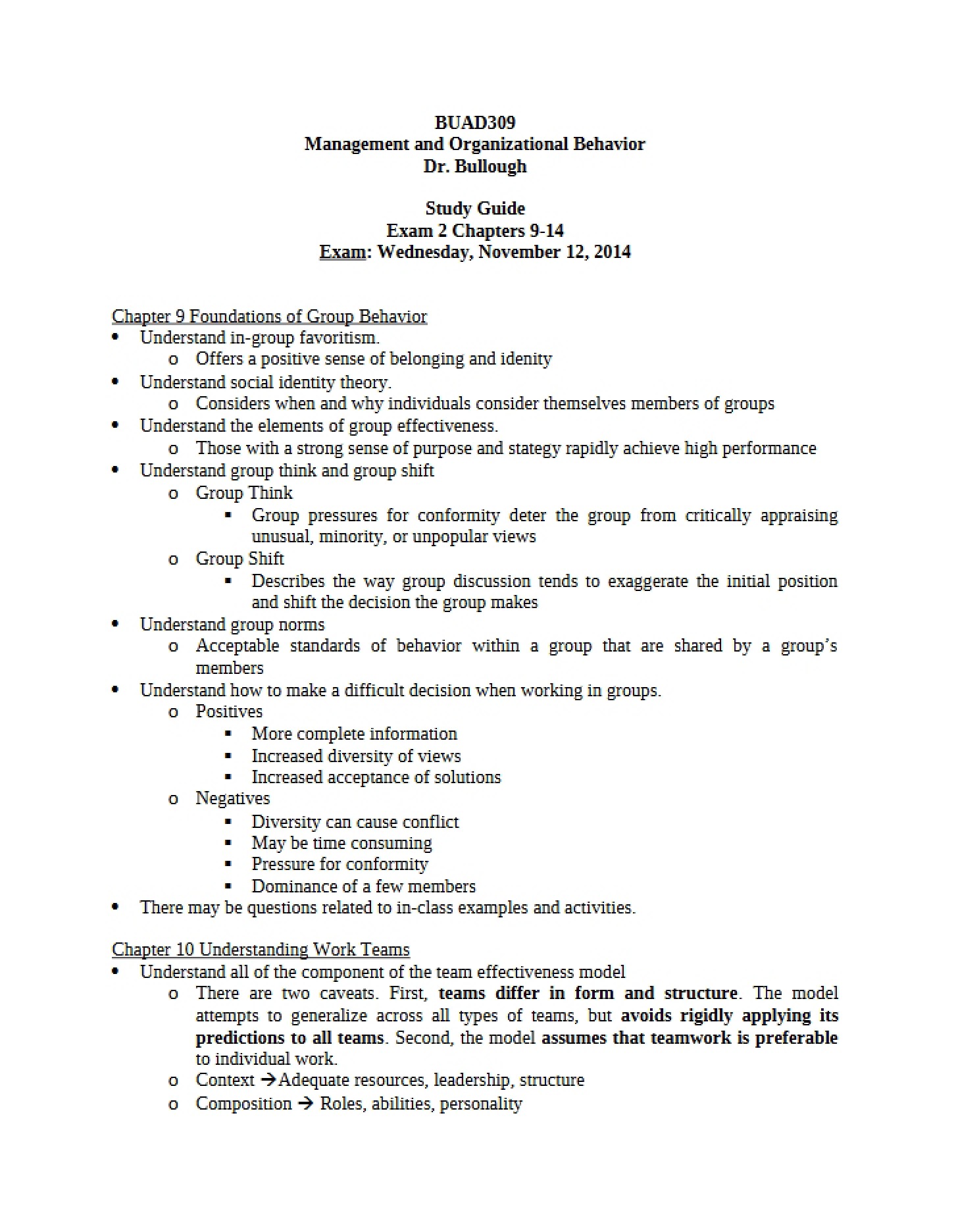
This document serves as an introductory exploration into the field of Organizational Behavior, specifically as it’s approached within a university-level Management and Organizational Behavior course (BUAD 309 at the University of Delaware). It lays the foundational understanding of what the discipline encompasses and its relevance to effective management. It’s designed to provide a comprehensive overview of the core principles that underpin successful organizational function.
Why This Document Matters
This material is essential for students beginning their study of management, organizational psychology, or related fields. It’s particularly valuable for anyone seeking to understand the dynamics of workplaces and how to improve performance through a deeper understanding of human behavior within organizations. Use this as a starting point to build a strong conceptual base before diving into more complex topics. It’s also helpful for professionals looking to refresh their understanding of fundamental organizational principles.
Topics Covered
* The core functions of management and how they interrelate.
* The various roles managers assume within an organization.
* Essential skills required for effective management at different levels.
* A detailed definition of Organizational Behavior and its scope.
* The relationship between individual, group, and organizational structure.
* The importance of systematic study and evidence-based management.
* Contrasting approaches to managerial effectiveness.
What This Document Provides
* A clear definition of key terms like “manager” and “organization.”
* An overview of the four primary functions managers perform.
* A categorization of managerial roles – interpersonal, informational, and decisional – and their associated responsibilities.
* A discussion of the skills necessary for managerial success: technical, human, and conceptual.
* An introduction to the core focus areas within the study of Organizational Behavior.
* A framework for understanding how to apply research and evidence to improve organizational outcomes.